
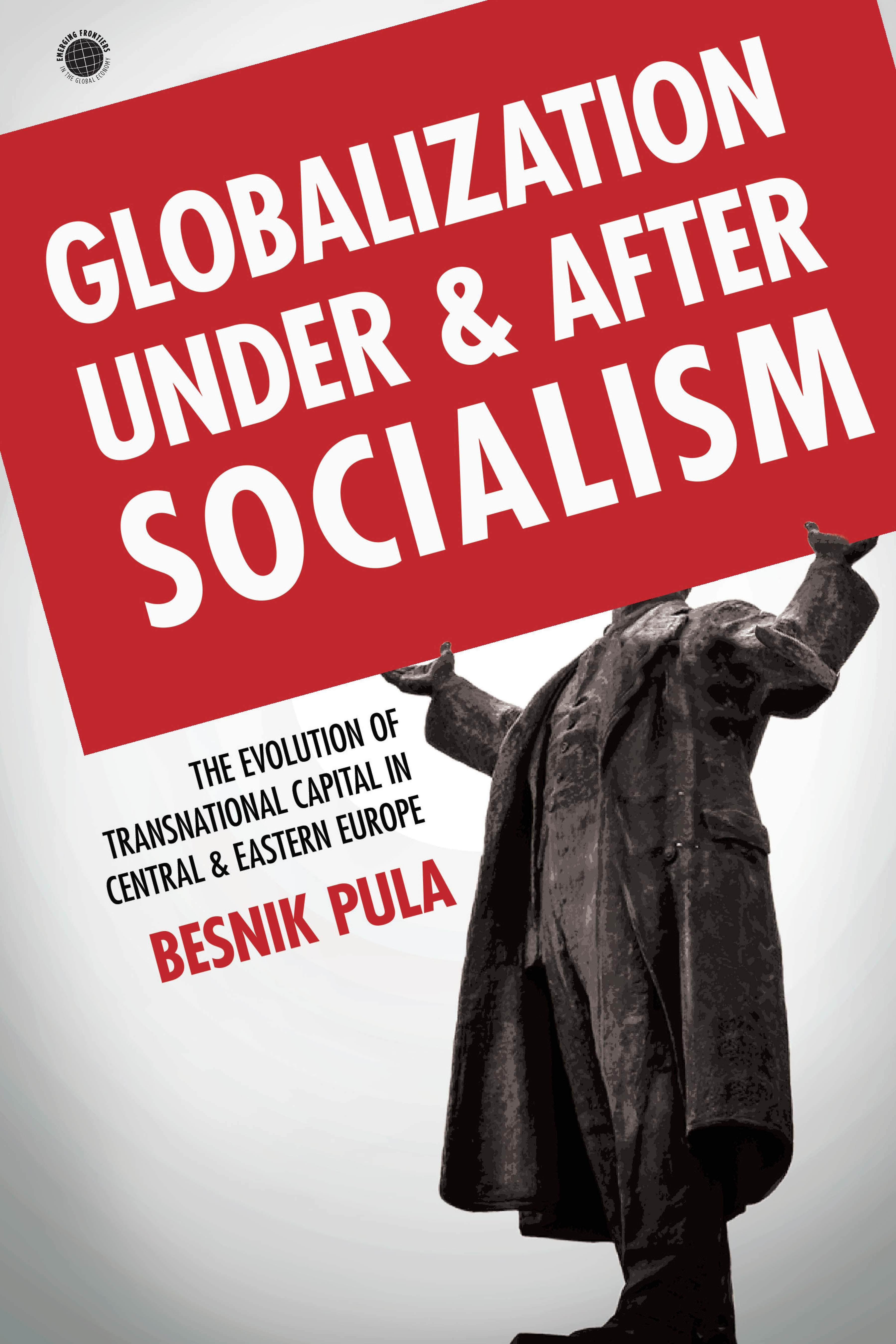
The post-communist states of Central and Eastern Europe have gone from being among the world's most closed, autarkic economies to being some of the most export-oriented and globally integrated. While previous accounts have attributed this shift to post-1989 market reform policies, Besnik Pula sees the root causes differently. Reaching deeper into the region's history and comparatively examining its long-run industrial development, he locates critical junctures that forced the hands of Central and Eastern European elites and made them look at options beyond the domestic economy and the socialist bloc.
In the 1970s, Central and Eastern European socialist leaders intensified engagements with the capitalist West in order to expand access to markets, technology, and capital. This shift began to challenge the Stalinist developmental model in favor of exports and transnational integration. A new reliance on exports launched the integration of Eastern European industry into value chains that cut across the East-West political divide. After 1989, these chains proved to be critical gateways to foreign direct investment and circuits of global capitalism. This book enriches our understanding of a regional shift that began well before the fall of the wall, while also explaining the distinct international roles that Central and Eastern European states have assumed in the globalized twenty-first century.
Zahle einfach mit Karte, Klarna, Apple Pay oder Google Pay. Nicht zufrieden? Du hast immer ein 14-tägiges Widerrufsrecht. Lies mehr in unseren AGB. Hast du Fragen, schreib uns eine E-Mail an hello@memmo.org.
Memmo macht das Lernen einfacher – wo auch immer du bist. Bei uns findest du deine Kursbücher und smarte Lerntools an einem Ort: Zusammenfassungen, Quizzes, Podcasts und Lernkarten. Und Ted, dein Lernbuddy, beantwortet alles, was du wissen möchtest. Über 50.000 Studierende lernen bereits hier – gemacht, damit du schneller lernst und weniger Stress hast.