
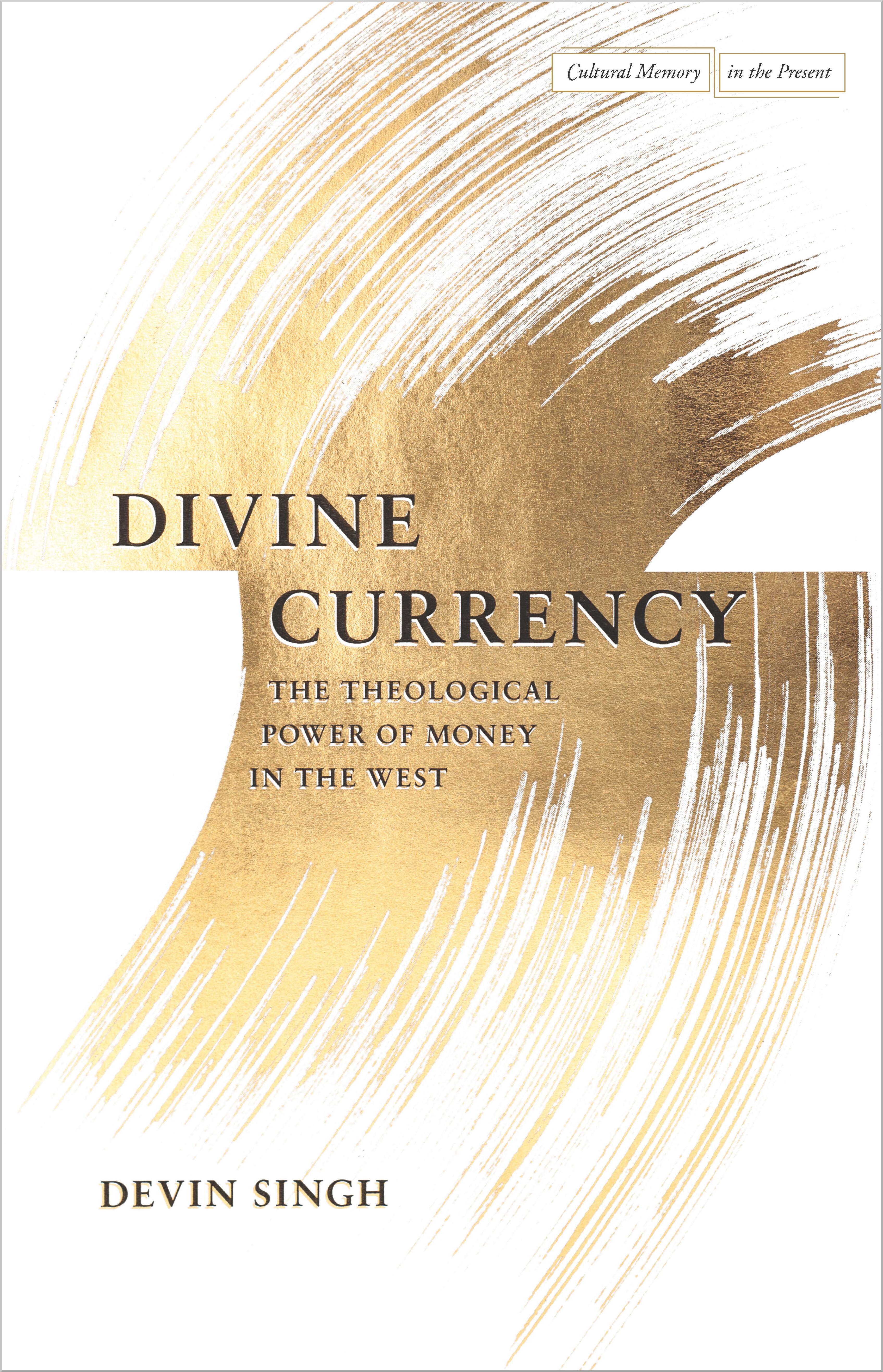
This book shows how early economic ideas structured Christian thought and society, giving crucial insight into why money holds such power in the West. Examining the religious and theological sources of money's power, it shows how early Christian thinkers borrowed ancient notions of money and economic exchange from the Roman Empire as a basis for their new theological arguments. Monetary metaphors and images, including the minting of coins and debt slavery, provided frameworks for theologians to explain what happens in salvation. God became an economic administrator, for instance, and Christ functioned as a currency to purchase humanity's freedom. Such ideas, in turn, provided models for pastors and Christian emperors as they oversaw both resources and people, which led to new economic conceptions of state administration of populations and conferred a godly aura on the use of money. Divine Currency argues that this longstanding association of money with divine activity has contributed over the centuries to money's ever increasing significance, justifying various forms of politics that manage citizens along the way. Devin Singh's account sheds unexpected light on why we live in a world where nothing seems immune from the price mechanism.
Zahle einfach mit Karte, Klarna, Apple Pay oder Google Pay. Nicht zufrieden? Du hast immer ein 14-tägiges Widerrufsrecht. Lies mehr in unseren AGB. Hast du Fragen, schreib uns eine E-Mail an hello@memmo.org.
Memmo macht das Lernen einfacher – wo auch immer du bist. Bei uns findest du deine Kursbücher und smarte Lerntools an einem Ort: Zusammenfassungen, Quizzes, Podcasts und Lernkarten. Und Ted, dein Lernbuddy, beantwortet alles, was du wissen möchtest. Über 50.000 Studierende lernen bereits hier – gemacht, damit du schneller lernst und weniger Stress hast.