
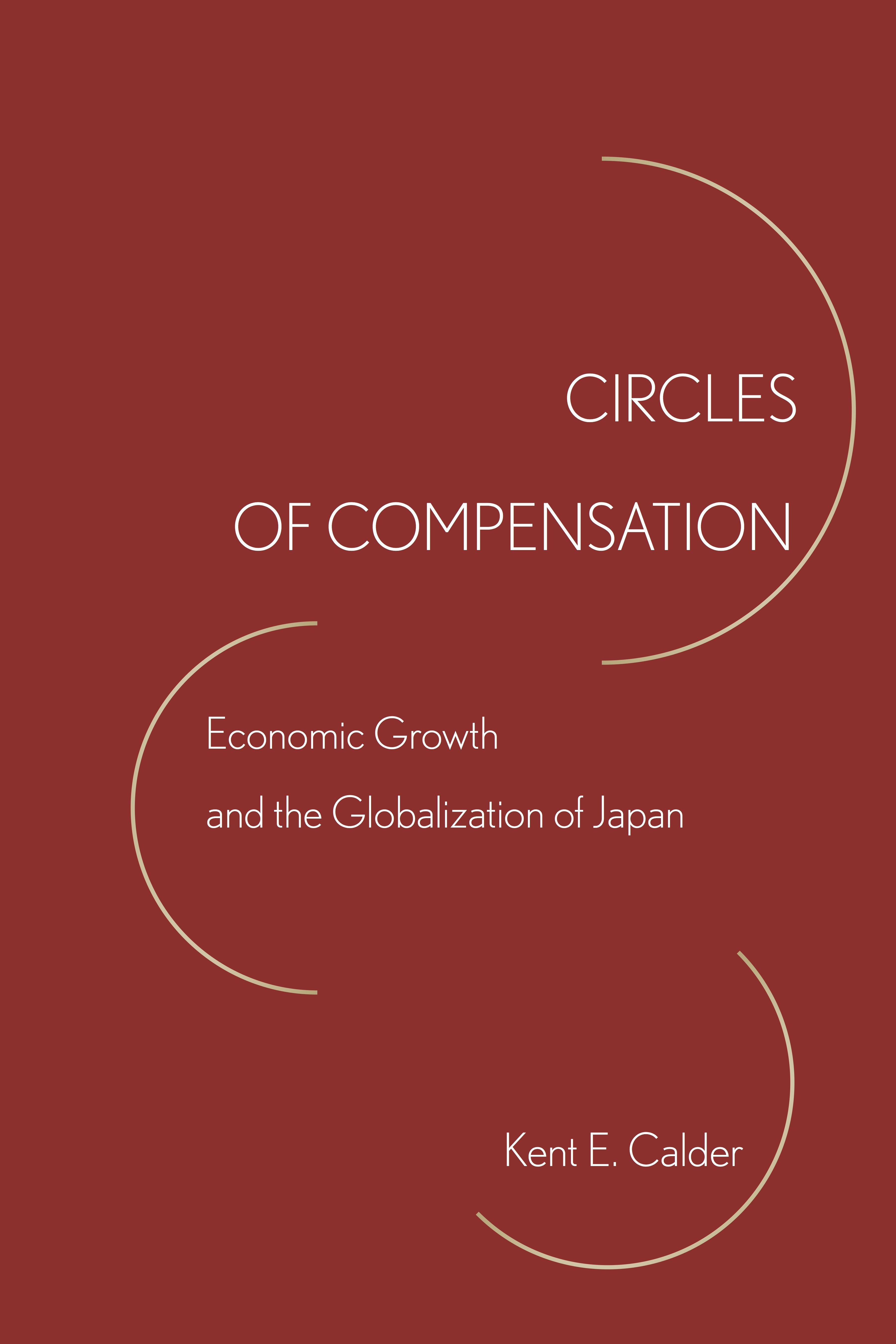
Japan grew explosively and consistently for more than a century, from the Meiji Restoration until the collapse of the economic bubble in the early 1990s. Since then, it has been unable to restart its economic engine and respond to globalization. How could the same political–economic system produce such strongly contrasting outcomes?
This book identifies the crucial variables as classic Japanese forms of socio-political organization: the "circles of compensation." These cooperative groupings of economic, political, and bureaucratic interests dictate corporate and individual responses to such critical issues as investment and innovation; at the micro level, they explain why individuals can be decidedly cautious on their own, yet prone to risk-taking as a collective. Kent E. Calder examines how these circles operate in seven concrete areas, from food supply to consumer electronics, and deals in special detail with the influence of Japan's changing financial system. The result is a comprehensive overview of Japan's circles of compensation as they stand today, and a road map for broadening them in the future.
Zahle einfach mit Karte, Klarna, Apple Pay oder Google Pay. Nicht zufrieden? Du hast immer ein 14-tägiges Widerrufsrecht. Lies mehr in unseren AGB. Hast du Fragen, schreib uns eine E-Mail an hello@memmo.org.
Memmo macht das Lernen einfacher – wo auch immer du bist. Bei uns findest du deine Kursbücher und smarte Lerntools an einem Ort: Zusammenfassungen, Quizzes, Podcasts und Lernkarten. Und Ted, dein Lernbuddy, beantwortet alles, was du wissen möchtest. Über 50.000 Studierende lernen bereits hier – gemacht, damit du schneller lernst und weniger Stress hast.