
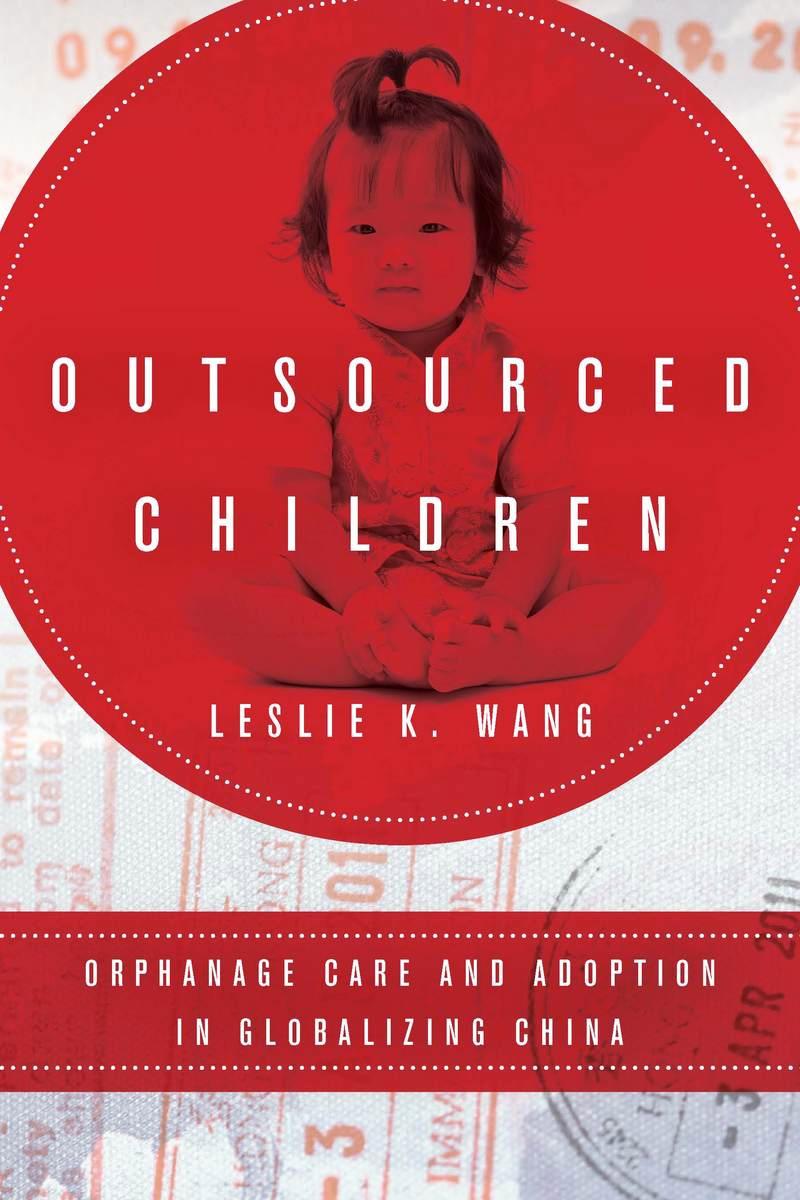
It's no secret that tens of thousands of Chinese children have been adopted by American parents and that Western aid organizations have invested in helping orphans in China—but why have Chinese authorities allowed this exchange, and what does it reveal about processes of globalization?
Countries that allow their vulnerable children to be cared for by outsiders are typically viewed as weaker global players. However, Leslie K. Wang argues that China has turned this notion on its head by outsourcing the care of its unwanted children to attract foreign resources and secure closer ties with Western nations. She demonstrates the two main ways that this "outsourced intimacy" operates as an ongoing transnational exchange: first, through the exportation of mostly healthy girls into Western homes via adoption, and second, through the subsequent importation of first-world actors, resources, and practices into orphanages to care for the mostly special needs youth left behind.
Outsourced Children reveals the different care standards offered in Chinese state-run orphanages that were aided by Western humanitarian organizations. Wang explains how such transnational partnerships place marginalized children squarely at the intersection of public and private spheres, state and civil society, and local and global agendas. While Western societies view childhood as an innocent time, unaffected by politics, this book explores how children both symbolize and influence national futures.
Zahle einfach mit Karte, Klarna, Apple Pay oder Google Pay. Nicht zufrieden? Du hast immer ein 14-tägiges Widerrufsrecht. Lies mehr in unseren AGB. Hast du Fragen, schreib uns eine E-Mail an hello@memmo.org.
Memmo macht das Lernen einfacher – wo auch immer du bist. Bei uns findest du deine Kursbücher und smarte Lerntools an einem Ort: Zusammenfassungen, Quizzes, Podcasts und Lernkarten. Und Ted, dein Lernbuddy, beantwortet alles, was du wissen möchtest. Über 50.000 Studierende lernen bereits hier – gemacht, damit du schneller lernst und weniger Stress hast.