
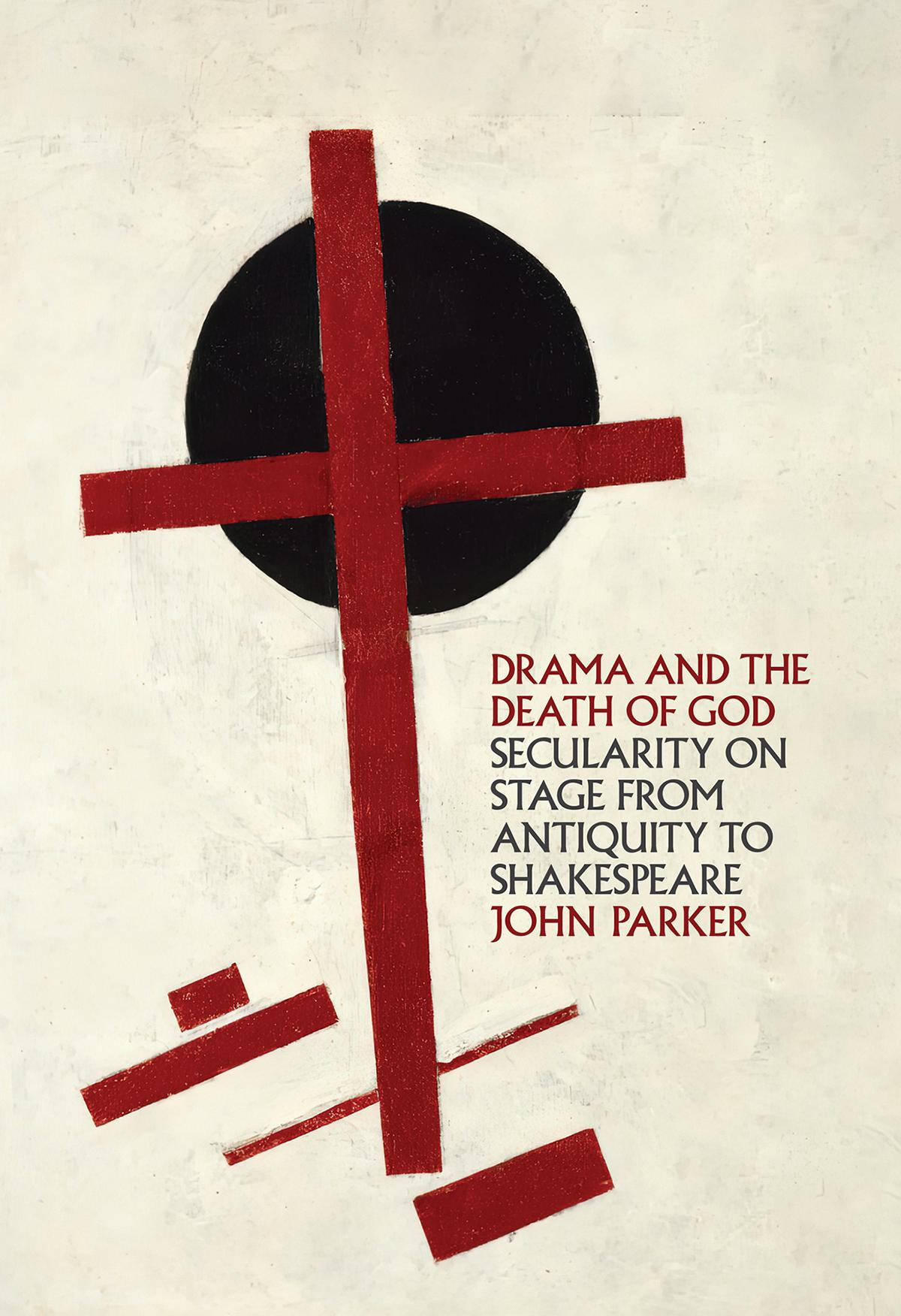
In Drama and the Death of God, John Parker argues that the secularity often associated with Shakespeare inspired a variety of performances going back to antiquity. Scripture presupposes, even needs, the existence of a worldly sphere inimical to faith: known as the saeculum, this finite domain of appetite and unbelief invited both condemnation and celebration throughout medieval Christendom, as exemplified by the songs and plays of the Carmina Burana. After the tenth century, Christians routinely impersonated unbelievers in music dramas connected to the high holidays so that they might question biblical truths, especially the authenticity of miracles. The church generated by this means a vision of the godless world that modernity stepped into. After the English Reformation, when Europe's first commercial theaters arose on ruined monastic estates, players continued to showcase how divine intervention could be staged by humans in the absence of God. King Lear in particular explores the ancient proposition that the saeculum holds no inherent meaning and is capable of generating only pseudomiraculous spectacles to salve the ache of existence.
Zahle einfach mit Karte, Klarna, Apple Pay oder Google Pay. Nicht zufrieden? Du hast immer ein 14-tägiges Widerrufsrecht. Lies mehr in unseren AGB. Hast du Fragen, schreib uns eine E-Mail an hello@memmo.org.
Memmo macht das Lernen einfacher – wo auch immer du bist. Bei uns findest du deine Kursbücher und smarte Lerntools an einem Ort: Zusammenfassungen, Quizzes, Podcasts und Lernkarten. Und Ted, dein Lernbuddy, beantwortet alles, was du wissen möchtest. Über 50.000 Studierende lernen bereits hier – gemacht, damit du schneller lernst und weniger Stress hast.