
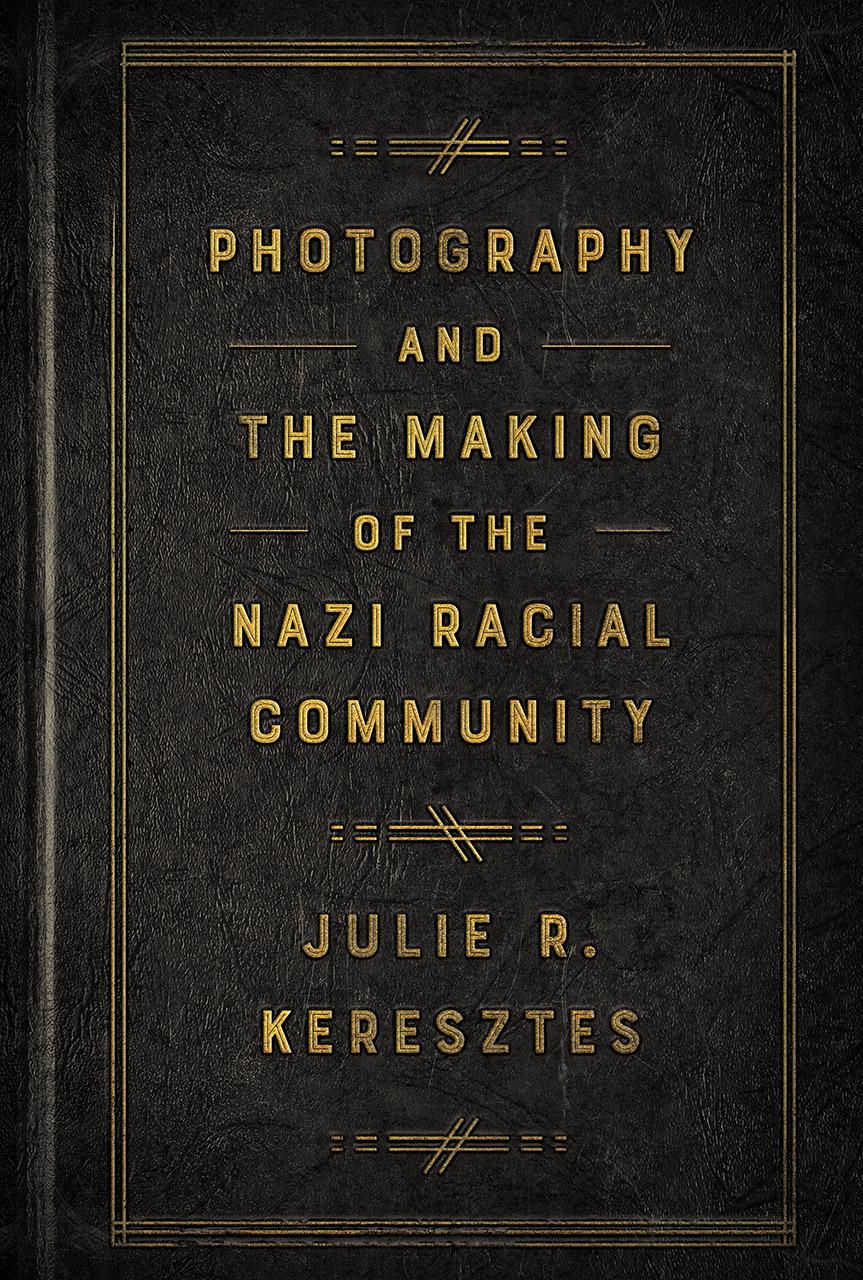
Photography and the Making of the Nazi Racial Community examines the role of photography in the construction of the Nazi Volksgemeinschaft, a racially exclusive community, during the Third Reich. Julie R. Keresztes explores how the dictatorship promoted photography for those who belonged to that community and excluded Jews from the practice. As Nazi officials dispossessed Jewish photographers and robbed them of their equipment, studios, and eventually their lives, they made photography more accessible to non-Jewish Germans. But they inadvertently created spaces for photography to be used as resistance and revenge in concentration camps, where forced laborers salvaged photographs that exposed the extermination of Europe's Jews.
As the victims of Nazi persecution used photography to gather evidence of the Holocaust, German troops and their families used photography to portray themselves as dutiful members of the Volksgemeinschaft rather than show the reality of war and genocide. Ultimately, Photography and the Making of the Nazi Racial Community shows how the configuration of photography along racial lines shaped the imagery of the Second World War.
Published in Association with the US Holocaust Memorial Museum.
Zahle einfach mit Karte, Klarna, Apple Pay oder Google Pay. Nicht zufrieden? Du hast immer ein 14-tägiges Widerrufsrecht. Lies mehr in unseren AGB. Hast du Fragen, schreib uns eine E-Mail an hello@memmo.org.
Memmo macht das Lernen einfacher – wo auch immer du bist. Bei uns findest du deine Kursbücher und smarte Lerntools an einem Ort: Zusammenfassungen, Quizzes, Podcasts und Lernkarten. Und Ted, dein Lernbuddy, beantwortet alles, was du wissen möchtest. Über 50.000 Studierende lernen bereits hier – gemacht, damit du schneller lernst und weniger Stress hast.