
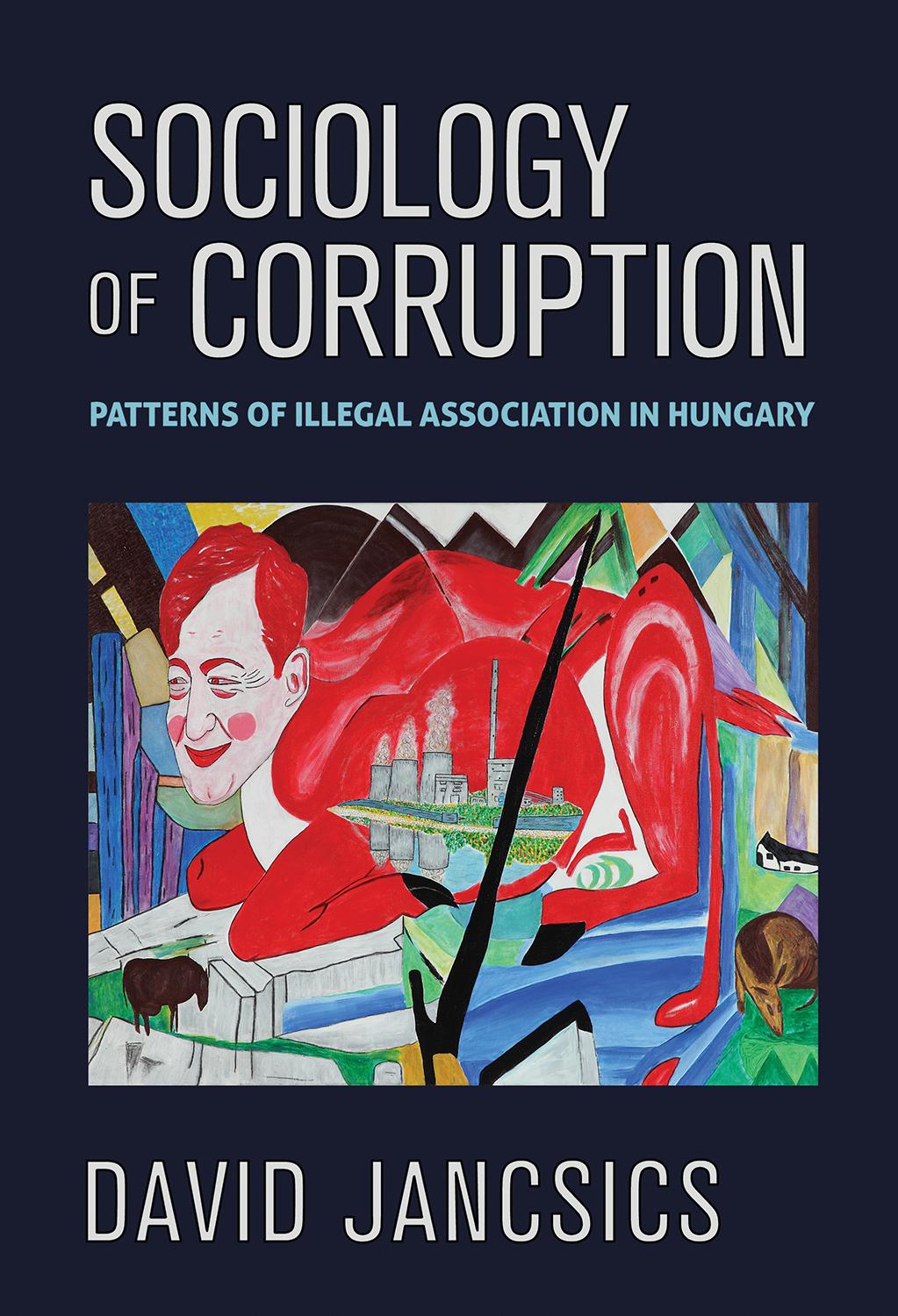
In Sociology of Corruption, David Jancsics provides a fresh approach to the study of corruption in Hungary, which once seemed to be the most likely of the ex-communist bloc nations to catch up to the West and is, according to many experts and scholars, a country with a highly corrupt dynamic.
Based on data from 2022, Hungary is now the most corrupt member state of the European Union. There is also a consensus among experts that a small clique of corrupt political actors has captured most Hungarian state institutions and a significant portion of the business sector.
What fostered corruption in Hungary? What are the most typical forms of corruption in this country? What do Hungarians think about it? What is the role of prime minister Viktor Orbán in this? Sociology of Corruption proposes a novel sociological theory of corruption focusing on social status and relationships, network structures, and power dynamics as important explanatory factors of corrupt behavior. Although his focus is on Hungary, Jancsics's findings are applicable to other nations and cultural contexts.
Zahle einfach mit Karte, Klarna, Apple Pay oder Google Pay. Nicht zufrieden? Du hast immer ein 14-tägiges Widerrufsrecht. Lies mehr in unseren AGB. Hast du Fragen, schreib uns eine E-Mail an hello@memmo.org.
Memmo macht das Lernen einfacher – wo auch immer du bist. Bei uns findest du deine Kursbücher und smarte Lerntools an einem Ort: Zusammenfassungen, Quizzes, Podcasts und Lernkarten. Und Ted, dein Lernbuddy, beantwortet alles, was du wissen möchtest. Über 50.000 Studierende lernen bereits hier – gemacht, damit du schneller lernst und weniger Stress hast.