
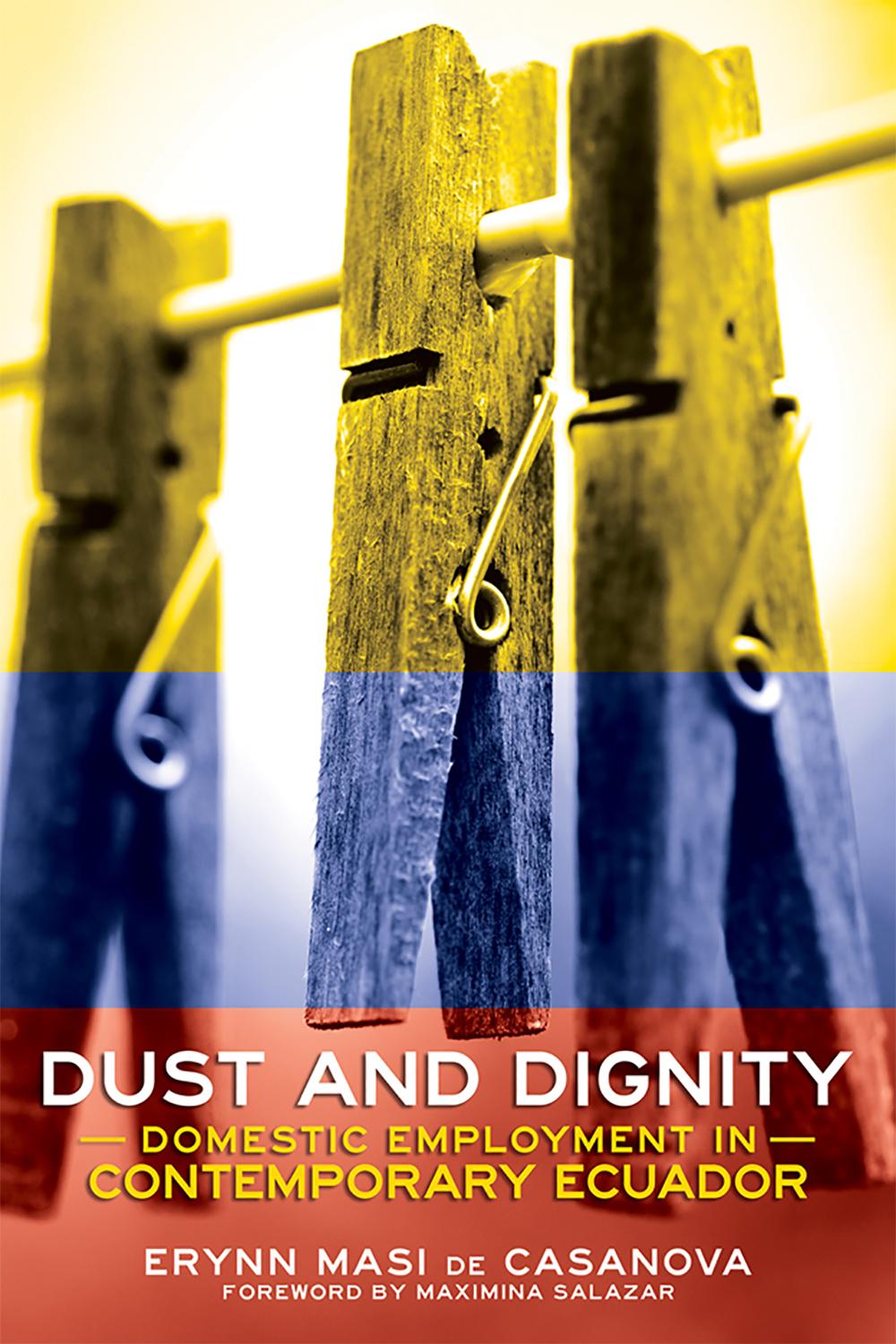
What makes domestic work a bad job, even after efforts to formalize and improve working conditions? Erynn Masi de Casanova's case study, based partly on collaborative research conducted with Ecuador's pioneer domestic workers' organization, examines three reasons for persistent exploitation. First, the tasks of social reproduction are devalued. Second, informal work arrangements escape regulation. And third, unequal class relations are built into this type of employment. Accessible to advocates and policymakers as well as academics, this book provides both theoretical discussions about domestic work and concrete ideas for improving women's lives.
Drawing on workers' stories of lucha, trabajo, and sacrificio—struggle, work, and sacrifice—Dust and Dignity offers a new take on an old occupation. From the intimate experience of being a body out of place in an employer's home, to the common work histories of Ecuadorian women in different cities, to the possibilities for radical collective action at the national level, Casanova shows how and why women do this stigmatized and precarious work and how they resist exploitation in the search for dignified employment. From these searing stories of workers' lives, Dust and Dignity identifies patterns in domestic workers' experiences that will be helpful in understanding the situation of workers elsewhere and offers possible solutions for promoting and ensuring workers' rights that have relevance far beyond Ecuador.
Zahle einfach mit Karte, Klarna, Apple Pay oder Google Pay. Nicht zufrieden? Du hast immer ein 14-tägiges Widerrufsrecht. Lies mehr in unseren AGB. Hast du Fragen, schreib uns eine E-Mail an hello@memmo.org.
Memmo macht das Lernen einfacher – wo auch immer du bist. Bei uns findest du deine Kursbücher und smarte Lerntools an einem Ort: Zusammenfassungen, Quizzes, Podcasts und Lernkarten. Und Ted, dein Lernbuddy, beantwortet alles, was du wissen möchtest. Über 50.000 Studierende lernen bereits hier – gemacht, damit du schneller lernst und weniger Stress hast.