
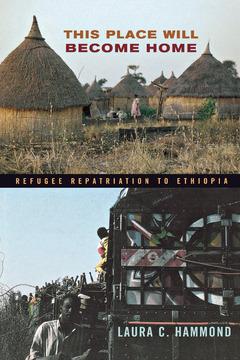
How do communities grapple with the challenges of reconstruction after conflicts? In one of the first in-depth ethnographic accounts of refugee repatriation anywhere in the world, Laura C. Hammond follows the story of Ada Bai, a returnee settlement with a population of some 7,500 people. In the days when refugees first arrived, Ada Bai was an empty field along Ethiopia's northwest border, but it is now a viable—arguably thriving—community.
For the former refugees who fled from northern Ethiopia to eastern Sudan to escape war and famine in 1984 and returned to their country of birth in 1993, "coming home" really meant creating a new home out of an empty space. Settling in a new area, establishing social and kin ties, and inventing social practices, returnees gradually invested their environment with meaning and began to consider their settlement home. Hammond outlines the roles that gender and generational differences played in this process and how the residents came to define the symbolic and geographical boundaries of Ada Bai.
Drawing on her fieldwork from 1993 to 1995 and regular shorter periods since, Hammond describes the process by which a place is made meaningful through everyday practice and social interaction. This Place Will Become Home provides insight into how people cope with extreme economic hardship, food insecurity, and limited access to international humanitarian or development assistance in their struggle to attain economic self-sufficiency.
Zahle einfach mit Karte, Klarna, Apple Pay oder Google Pay. Nicht zufrieden? Du hast immer ein 14-tägiges Widerrufsrecht. Lies mehr in unseren AGB. Hast du Fragen, schreib uns eine E-Mail an hello@memmo.org.
Memmo macht das Lernen einfacher – wo auch immer du bist. Bei uns findest du deine Kursbücher und smarte Lerntools an einem Ort: Zusammenfassungen, Quizzes, Podcasts und Lernkarten. Und Ted, dein Lernbuddy, beantwortet alles, was du wissen möchtest. Über 50.000 Studierende lernen bereits hier – gemacht, damit du schneller lernst und weniger Stress hast.