
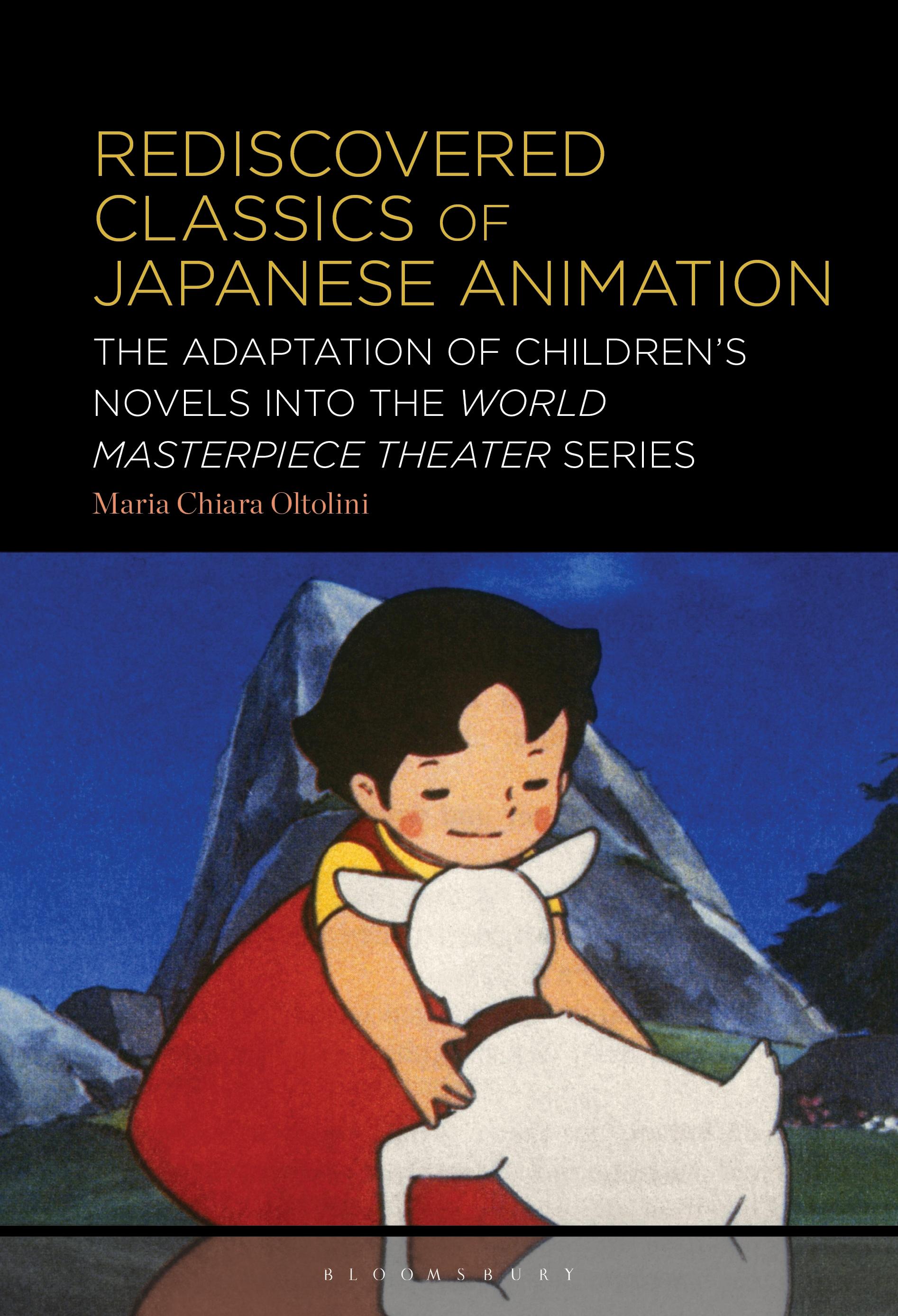
Rediscovered Classics of Japanese Animation is the first academic work to examine World Masterpiece Theater (Sekai Meisaku Gekijô, 1969-2009), which popularized the practice of adapting foreign children's books into long-running animated series and laid the groundwork for powerhouses like Studio Ghibli.
World Masterpiece Theater (Sekai Meisaku Gekijô, 1969-2009) is a TV staple created by the Japanese studio Nippon Animation, which popularized the practice of adapting foreign children's books into long-running animated series. Once generally dismissed by critics, the series is now frequently investigated as a key early work of legendary animators Isao Takahata and Hayao Miyazaki. In the first book-length examination of the series, Maria Chiara Oltolini analyzes cultural significance of World Masterpiece Theater, and the ways in which the series pioneered the importance of children's fiction for Japanese animation studios and laid the groundwork for powerhouses like Studio Ghibli.
Adapting a novel for animation also means decoding (and re-coding) socio-cultural patterns embedded in a narrative. World Masterpiece Theater stands as a unique example of this linguistic, medial, and cultural hybridisation. Popular children's classics such as Little Women, Peter Pan, and Anne of Green Gables became the starting point of a full-fledged negotiation process in which Japanese animators retold a whole range of narratives that have one basic formula in common: archetypal stories with an educational purpose. In particular, the series played a role in shaping the pop culture image of a young girl (shôjo).
Examining the series through the lens of animation studies as well as adaptation studies, Oltolini sheds new light on this long-neglected staple of Japanese animation history.
World Masterpiece Theater (Sekai Meisaku Gekijô, 1969-2009) is a TV staple created by the Japanese studio Nippon Animation, which popularized the practice of adapting foreign children's books into long-running animated series. Once generally dismissed by critics, the series is now frequently investigated as a key early work of legendary animators Isao Takahata and Hayao Miyazaki. In the first book-length examination of the series, Maria Chiara Oltolini analyzes cultural significance of World Masterpiece Theater, and the ways in which the series pioneered the importance of children's fiction for Japanese animation studios and laid the groundwork for powerhouses like Studio Ghibli.
Adapting a novel for animation also means decoding (and re-coding) socio-cultural patterns embedded in a narrative. World Masterpiece Theater stands as a unique example of this linguistic, medial, and cultural hybridisation. Popular children's classics such as Little Women, Peter Pan, and Anne of Green Gables became the starting point of a full-fledged negotiation process in which Japanese animators retold a whole range of narratives that have one basic formula in common: archetypal stories with an educational purpose. In particular, the series played a role in shaping the pop culture image of a young girl (shôjo).
Examining the series through the lens of animation studies as well as adaptation studies, Oltolini sheds new light on this long-neglected staple of Japanese animation history.
Zahle einfach mit Karte, Klarna, Apple Pay oder Google Pay. Nicht zufrieden? Du hast immer ein 14-tägiges Widerrufsrecht. Lies mehr in unseren AGB. Hast du Fragen, schreib uns eine E-Mail an hello@memmo.org.
Memmo macht das Lernen einfacher – wo auch immer du bist. Bei uns findest du deine Kursbücher und smarte Lerntools an einem Ort: Zusammenfassungen, Quizzes, Podcasts und Lernkarten. Und Ted, dein Lernbuddy, beantwortet alles, was du wissen möchtest. Über 50.000 Studierende lernen bereits hier – gemacht, damit du schneller lernst und weniger Stress hast.