
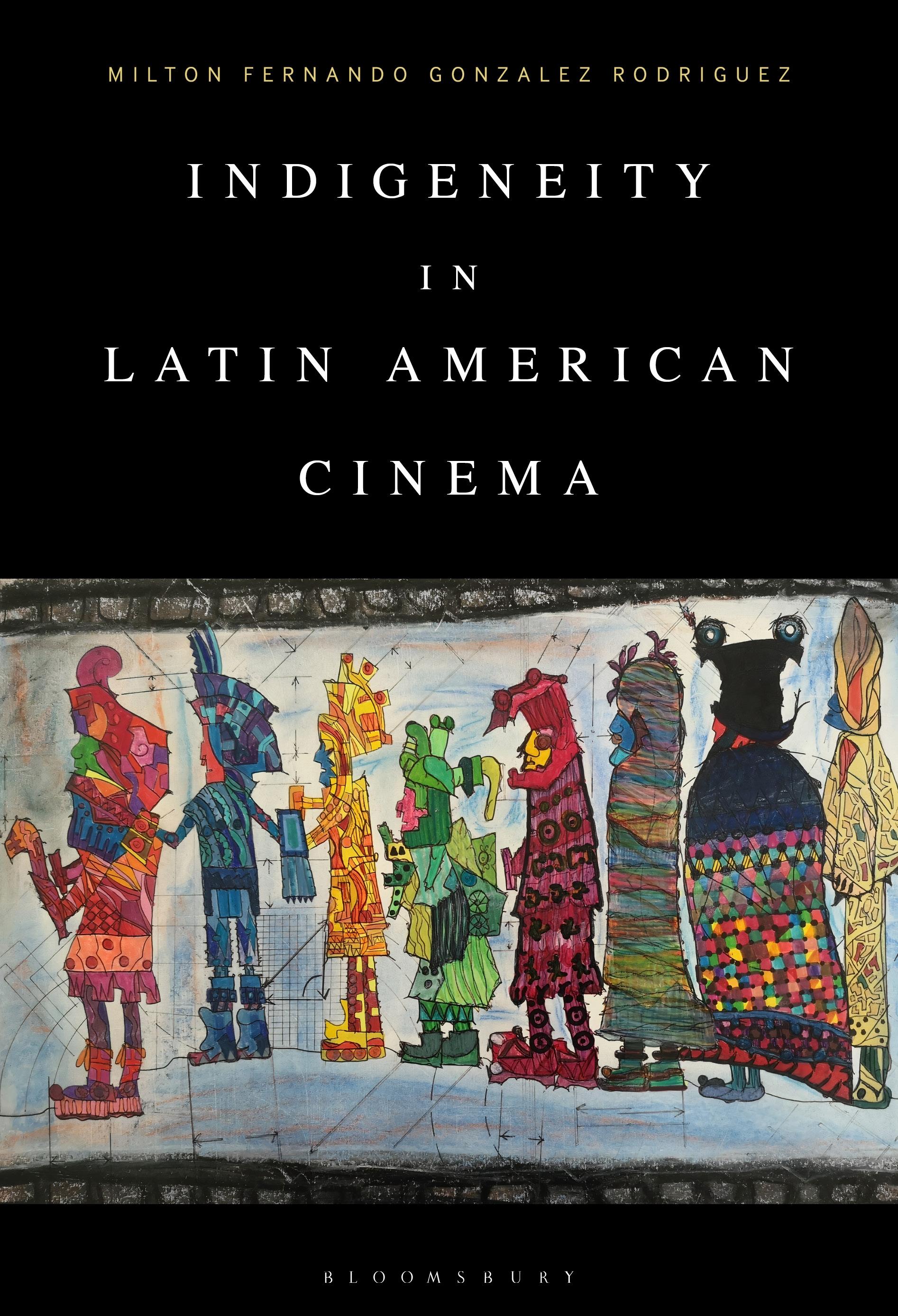
Indigeneity in Latin American Cinema explores how contemporary films (2000-2020) participate in the evolution and circulation of images and sounds that in many ways define how indigenous communities are imagined, at a local, regional and global scale. The volume reviews the diversity of portrayals from a chronological, geopolitical, linguistic, epistemic-ontological, transnational and intersectional, paradigm-changing and self-representational perspective, allocating one chapter to each theme. The corpus of this study consists of 68 fictional features directed by non-indigenous filmmakers, 31 cinematic works produced by indigenous directors/communities, and 22 Cine Regional (Regional Cinema) films. The book also draws upon a significant number of engravings, drawings, paintings, photographs and films, produced between 1493 and 2000, as primary sources for the historical review of the visual representations of indigeneity. Through content and close (textual) analysis, interviews with audiences, surveys and social media posts analysis, the author looks at the contexts in which Latin American films circulate in international festivals and the paradigm shifts introduced by self-representational cinema and Roma (Mexico, 2018). Conclusively, the author provides the foundations of histrionic indigeneity, a theory that explains how overtly histrionic proclivities play a significant role in depictions of an imagined indigenous Other in recent films.
Zahle einfach mit Karte, Klarna, Apple Pay oder Google Pay. Nicht zufrieden? Du hast immer ein 14-tägiges Widerrufsrecht. Lies mehr in unseren AGB. Hast du Fragen, schreib uns eine E-Mail an hello@memmo.org.
Memmo macht das Lernen einfacher – wo auch immer du bist. Bei uns findest du deine Kursbücher und smarte Lerntools an einem Ort: Zusammenfassungen, Quizzes, Podcasts und Lernkarten. Und Ted, dein Lernbuddy, beantwortet alles, was du wissen möchtest. Über 50.000 Studierende lernen bereits hier – gemacht, damit du schneller lernst und weniger Stress hast.