
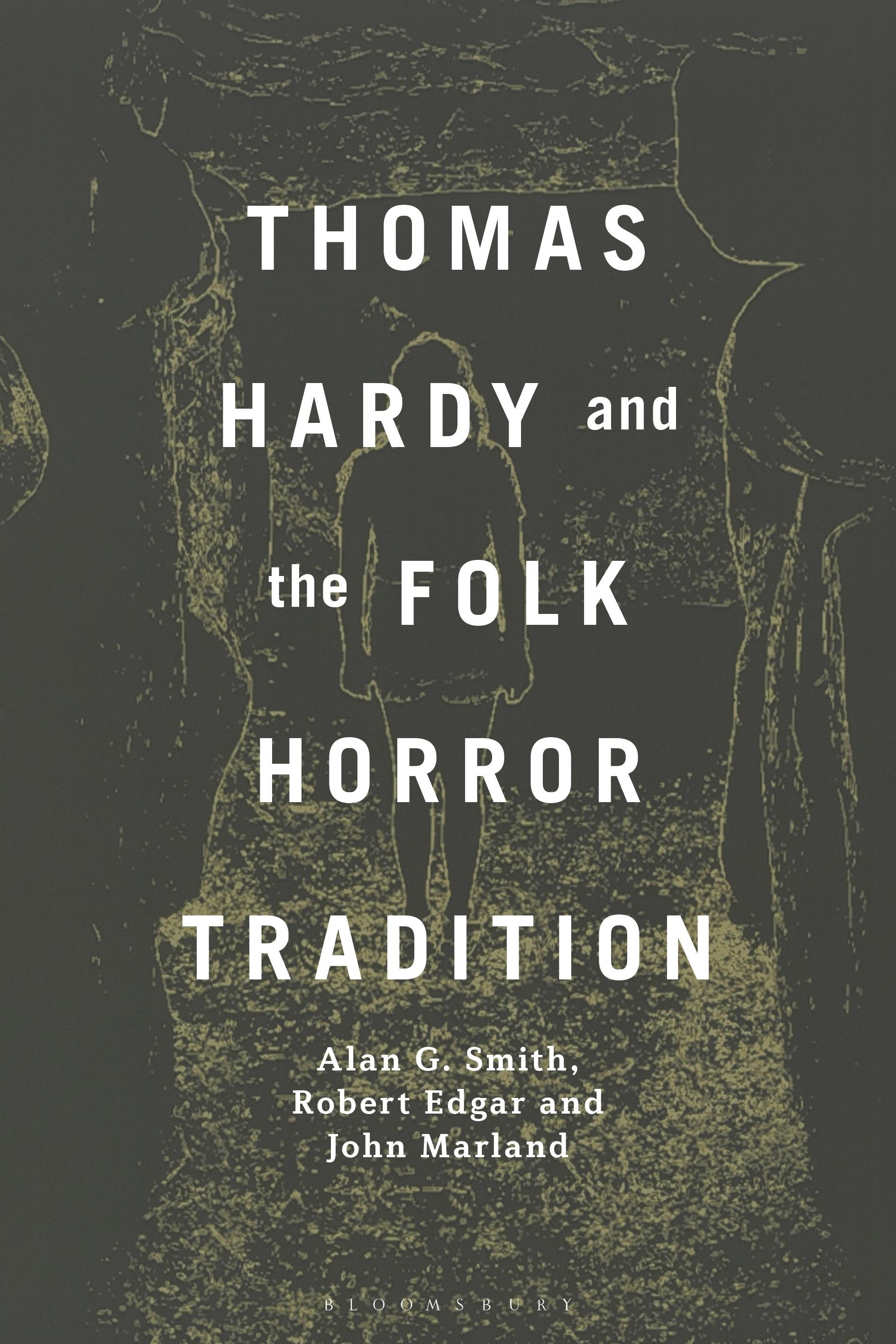
Thomas Hardy and the Folk Horror Tradition takes the uncanny and unsettling fiction of Thomas Hardy as fundamental in examining the lineage of 'Hardyan Folk Horror'. Hardy's novels and his short fiction often delve into a world of folklore and what was, for Hardy the recent past. Hardy's Wessex plays out tensions between the rational and irrational, the pagan and the Christian, the past and the 'enlightened' future. Examining these tensions in Hardy's life and his work provides a foundation for exploring the themes that develop in the latter half of the 20th century and again in the 21st century into a definable genre, folk horror.
This study analyses the subduing function of heritage drama via analysis of adaptations of Hardy's work to this financially lucrative film market. This is a market in which the inclusion of the weird and the eerie does not fit with the construction of a past and its function in creating a nostalgia of a safe and idyllic picture of England's rural past. However, there are some lesser-known adaptations from the 1970s that sit alongside the unholy trinity of folk horror: the adaptation for television of the Wessex Tales. From a consideration of the epistemological fissure that characterize Hardy's world, the book draws parallels between then and now and the manifestation of writing on conceptual borders. Through this comparative analysis, Thomas Hardy and the Folk Horror Tradition posits that we currently exist on a moment of fracture, when tradition sits as a seductive threat.
This study analyses the subduing function of heritage drama via analysis of adaptations of Hardy's work to this financially lucrative film market. This is a market in which the inclusion of the weird and the eerie does not fit with the construction of a past and its function in creating a nostalgia of a safe and idyllic picture of England's rural past. However, there are some lesser-known adaptations from the 1970s that sit alongside the unholy trinity of folk horror: the adaptation for television of the Wessex Tales. From a consideration of the epistemological fissure that characterize Hardy's world, the book draws parallels between then and now and the manifestation of writing on conceptual borders. Through this comparative analysis, Thomas Hardy and the Folk Horror Tradition posits that we currently exist on a moment of fracture, when tradition sits as a seductive threat.
Seiten: 192
Kategorie: Litteraturvetenskap & Teori
e-ISBN: 9781501384004
Versandgewicht: 1.2 kg
Versand in: 1-2 Tage
Zahle einfach mit Karte, Klarna, Apple Pay oder Google Pay. Nicht zufrieden? Du hast immer ein 14-tägiges Widerrufsrecht. Lies mehr in unseren AGB. Hast du Fragen, schreib uns eine E-Mail an hello@memmo.org.
Memmo macht das Lernen einfacher – wo auch immer du bist. Bei uns findest du deine Kursbücher und smarte Lerntools an einem Ort: Zusammenfassungen, Quizzes, Podcasts und Lernkarten. Und Ted, dein Lernbuddy, beantwortet alles, was du wissen möchtest. Über 50.000 Studierende lernen bereits hier – gemacht, damit du schneller lernst und weniger Stress hast.