
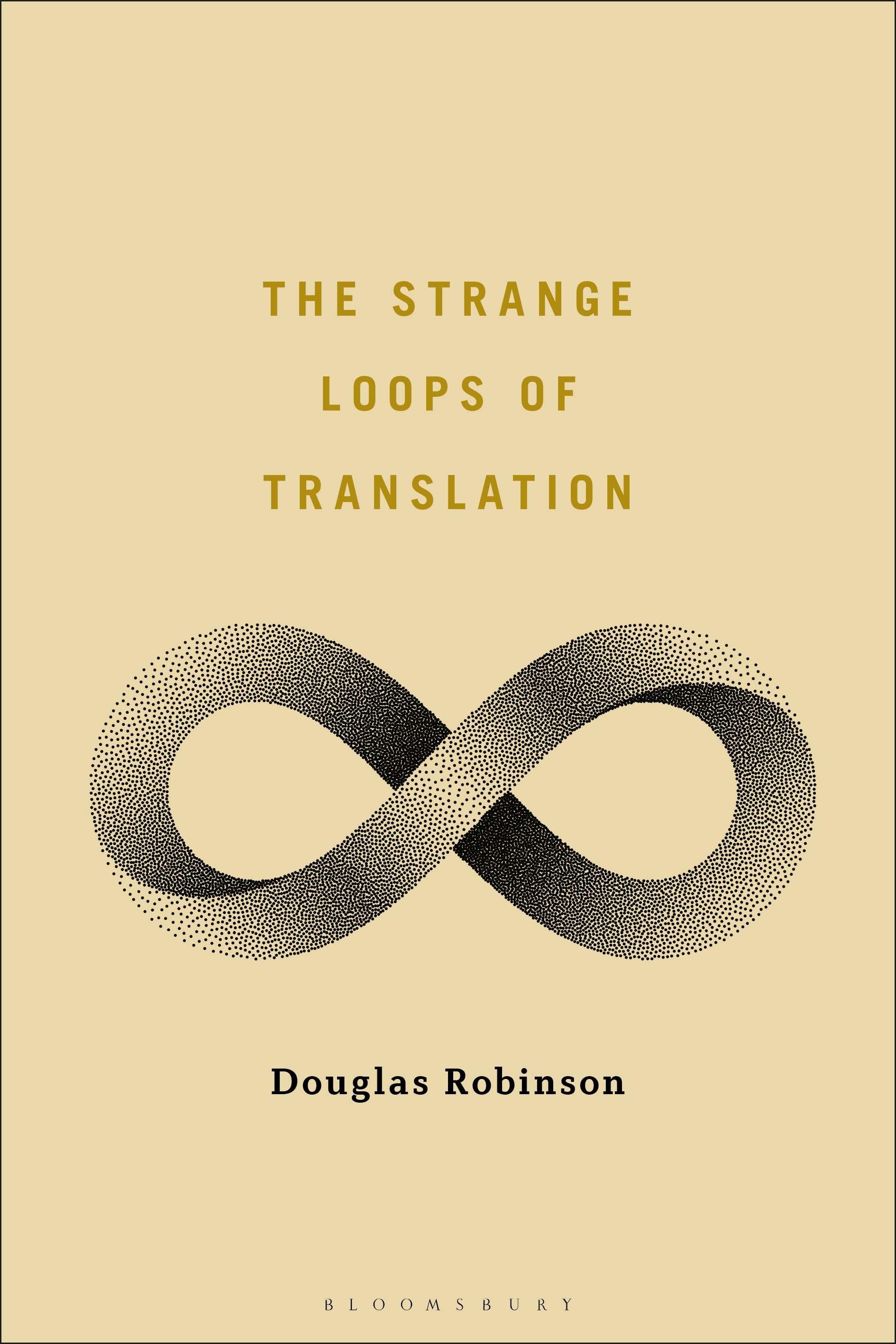
One of the most exciting theories to emerge from cognitive science research over the past few decades has been Douglas Hofstadter's notion of “strange loops,” from Gödel, Escher, Bach (1979). Hofstadter is also an active literary translator who has written about translation, perhaps most notably in his 1997 book Le Ton Beau de Marot, where he draws on his cognitive science research. And yet he has never considered the possibility that translation might itself be a strange loop.
In this book Douglas Robinson puts Hofstadter's strange-loops theory into dialogue with a series of definitive theories of translation, in the process showing just how cognitively and affectively complex an activity translation actually is.
In this book Douglas Robinson puts Hofstadter's strange-loops theory into dialogue with a series of definitive theories of translation, in the process showing just how cognitively and affectively complex an activity translation actually is.
Seiten: 240
Kategorie: Språk & Lingvistik
e-ISBN: 9781501382437
Versandgewicht: 1.2 kg
Versand in: 1-2 Tage
Zahle einfach mit Karte, Klarna, Apple Pay oder Google Pay. Nicht zufrieden? Du hast immer ein 14-tägiges Widerrufsrecht. Lies mehr in unseren AGB. Hast du Fragen, schreib uns eine E-Mail an hello@memmo.org.
Memmo macht das Lernen einfacher – wo auch immer du bist. Bei uns findest du deine Kursbücher und smarte Lerntools an einem Ort: Zusammenfassungen, Quizzes, Podcasts und Lernkarten. Und Ted, dein Lernbuddy, beantwortet alles, was du wissen möchtest. Über 50.000 Studierende lernen bereits hier – gemacht, damit du schneller lernst und weniger Stress hast.