
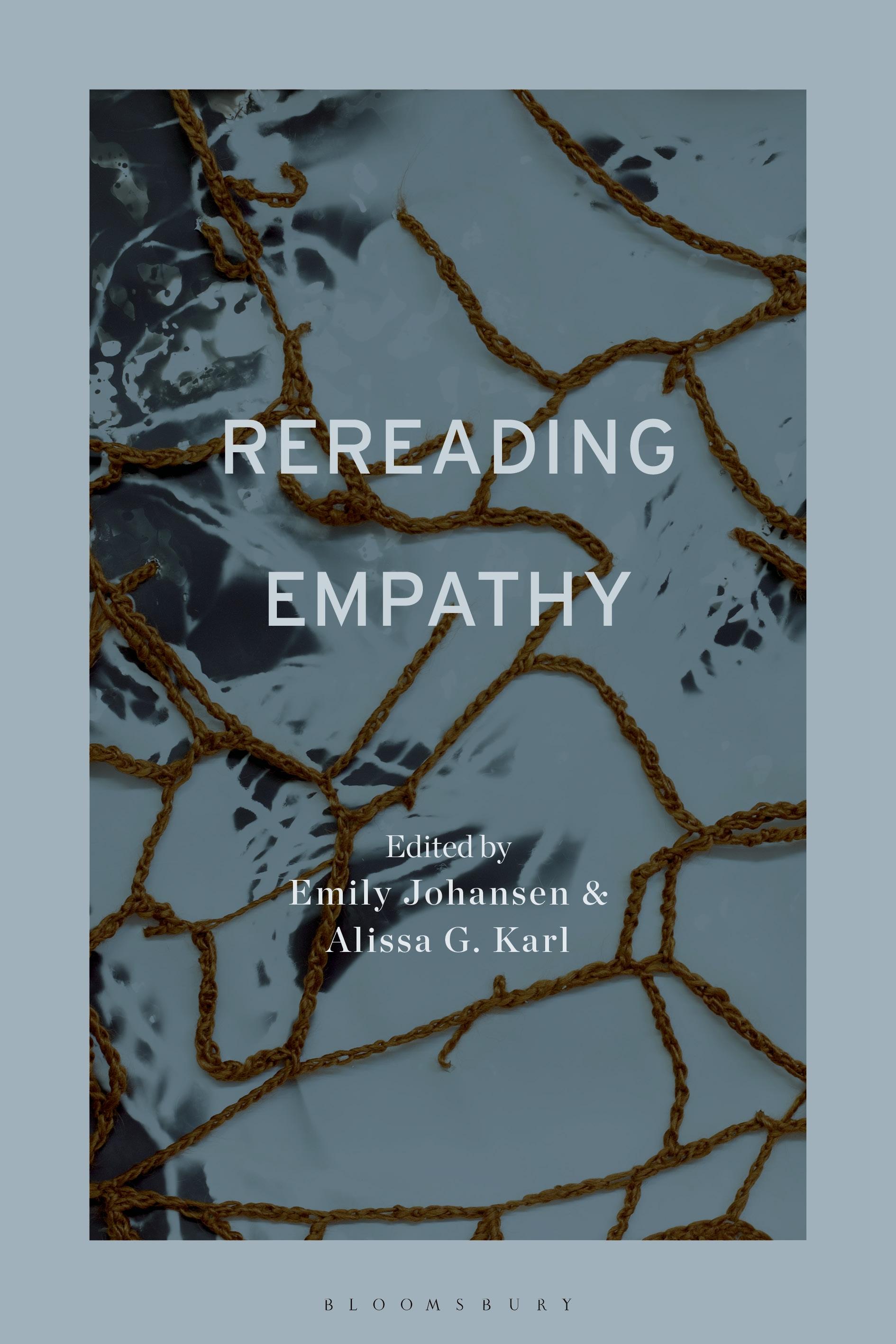
Over the last few decades and from across a spectrum of centrist political thought, a variety of academic disciplines, and numerous public intellectuals, the claim has been that we need to empathize more with marginalized people as a way to alleviate social inequalities. If we all had more skill with empathy, so the claim goes, we would all be better citizens. But what does it mean to empathize with others? How do we develop this skill? And what does it offer that older models of solidarity don't? Why empathy-and why now?
Rereading Empathy takes up these questions, examining the uses to which calls for empathy are put in the face of ever expanding economic and social precarity. The contributors draw on a variety of historical and contemporary literary and cultural archives to illustrate the work that empathy is supposed to enable-and to query alternative models of building collective futures.
Rereading Empathy takes up these questions, examining the uses to which calls for empathy are put in the face of ever expanding economic and social precarity. The contributors draw on a variety of historical and contemporary literary and cultural archives to illustrate the work that empathy is supposed to enable-and to query alternative models of building collective futures.
Zahle einfach mit Karte, Klarna, Apple Pay oder Google Pay. Nicht zufrieden? Du hast immer ein 14-tägiges Widerrufsrecht. Lies mehr in unseren AGB. Hast du Fragen, schreib uns eine E-Mail an hello@memmo.org.
Memmo macht das Lernen einfacher – wo auch immer du bist. Bei uns findest du deine Kursbücher und smarte Lerntools an einem Ort: Zusammenfassungen, Quizzes, Podcasts und Lernkarten. Und Ted, dein Lernbuddy, beantwortet alles, was du wissen möchtest. Über 50.000 Studierende lernen bereits hier – gemacht, damit du schneller lernst und weniger Stress hast.