
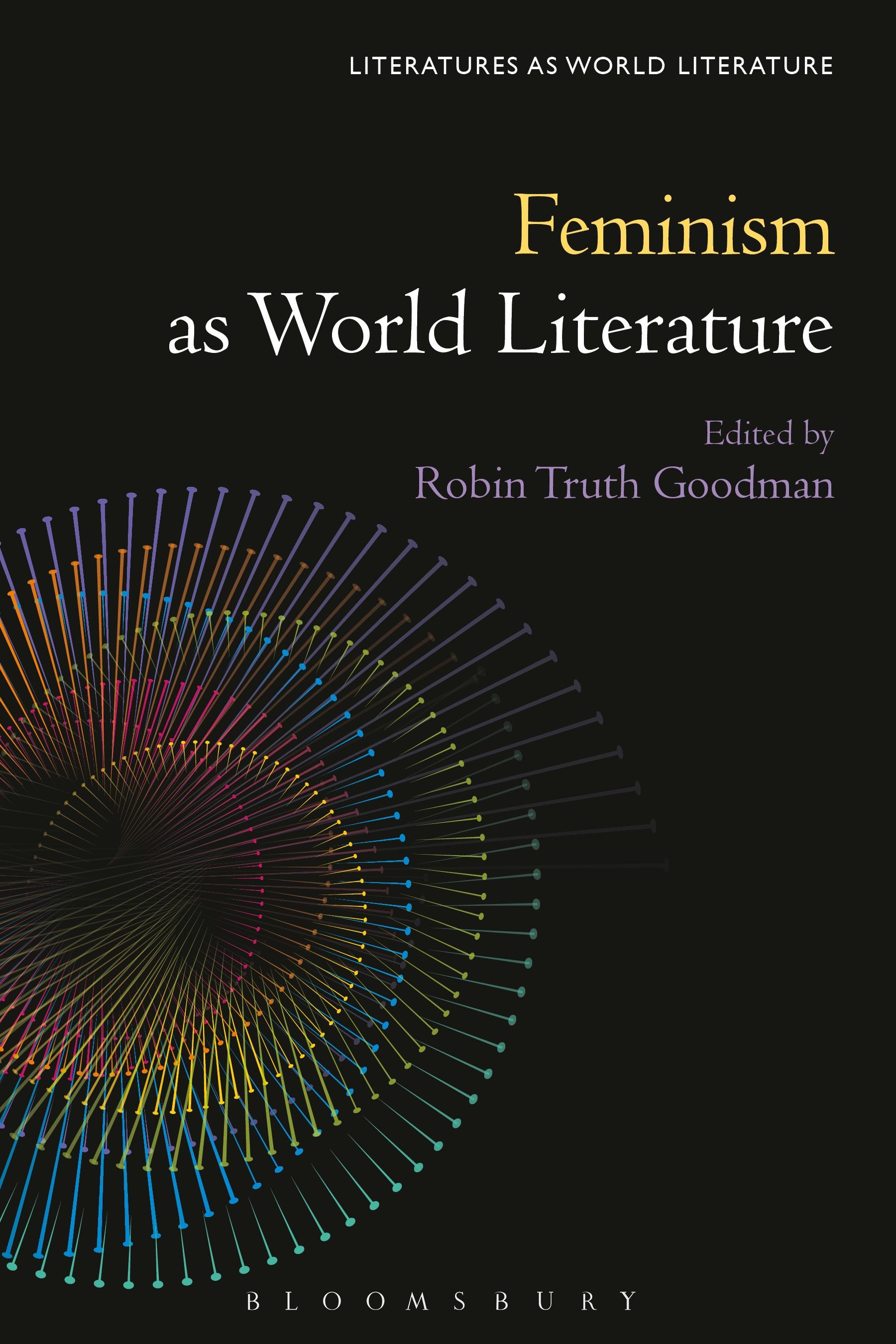
The conventional lineage of World Literature starts with Goethe and moves through Marx, Said, Moretti, and Damrosch, among others. What if there is another way to trace the lineage, starting with Simone de Beauvoir and moving through Hannah Arendt, Assia Djebar, Octavia Butler, Donna Haraway, Karen Barad, and Gayatri Spivak? What ideas and issues get left out of the current foundations that have institutionalized World Literature, and what can be added, challenged, or changed with this tweaking of the referential terminology?
Feminism as World Literature redefines the thematic and theoretical contents of World Literature in feminist terms as well as rethinking feminist terms, analyses, frameworks, and concepts in a World Literature context. Other ideas built into World Literature and its criticism are viewed here by feminist framings, including the environment, technology, immigration, translation, work, race, governance, image, sound, religion, affect, violence, media, future, and history. The authors recognize genres, strategies, and themes of World Literature that demonstrate feminism as integral to the world-making gestures of literary form and production. In other words, this volume looks to readings and modes of reading that expose how the historical worldliness of texts allows for feminist interventions that might not sit clearly or comfortably on the surfaces.
Feminism as World Literature redefines the thematic and theoretical contents of World Literature in feminist terms as well as rethinking feminist terms, analyses, frameworks, and concepts in a World Literature context. Other ideas built into World Literature and its criticism are viewed here by feminist framings, including the environment, technology, immigration, translation, work, race, governance, image, sound, religion, affect, violence, media, future, and history. The authors recognize genres, strategies, and themes of World Literature that demonstrate feminism as integral to the world-making gestures of literary form and production. In other words, this volume looks to readings and modes of reading that expose how the historical worldliness of texts allows for feminist interventions that might not sit clearly or comfortably on the surfaces.
Zahle einfach mit Karte, Klarna, Apple Pay oder Google Pay. Nicht zufrieden? Du hast immer ein 14-tägiges Widerrufsrecht. Lies mehr in unseren AGB. Hast du Fragen, schreib uns eine E-Mail an hello@memmo.org.
Memmo macht das Lernen einfacher – wo auch immer du bist. Bei uns findest du deine Kursbücher und smarte Lerntools an einem Ort: Zusammenfassungen, Quizzes, Podcasts und Lernkarten. Und Ted, dein Lernbuddy, beantwortet alles, was du wissen möchtest. Über 50.000 Studierende lernen bereits hier – gemacht, damit du schneller lernst und weniger Stress hast.