
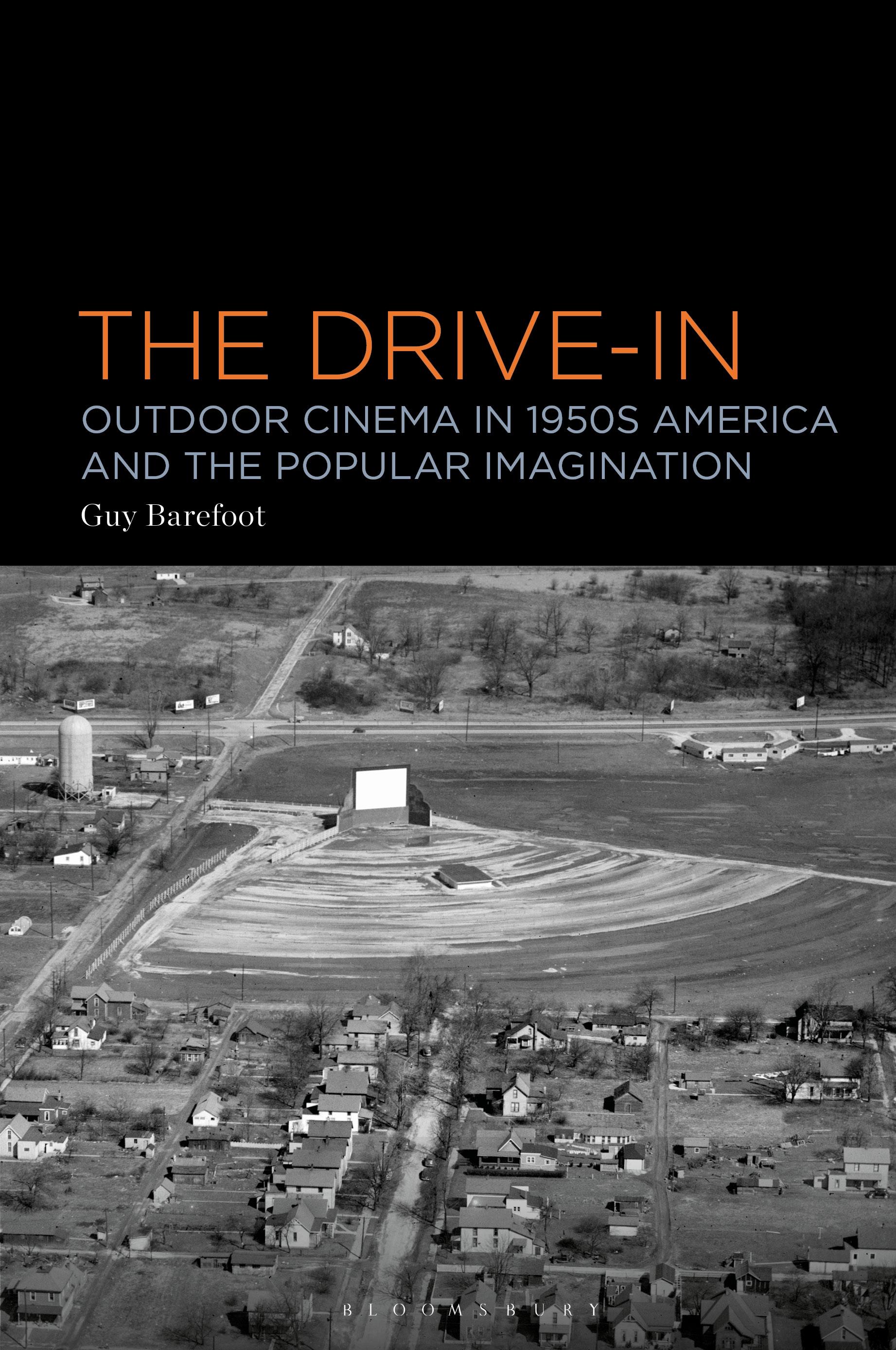
The Drive-In meaningfully contributes to the complex picture of outdoor cinema that has been central to American culture and to a history of US cinema based on diverse viewing experiences rather than a select number of films.
Drive-in cinemas flourished in 1950s America, in some summer weeks to the extent that there were more cinemagoers outdoors than indoors. Often associated with teenagers interested in the drive-in as a 'passion pit' or a venue for exploitation films, accounts of the 1950s American drive-in tend to emphasise their popularity with families with young children, downplaying the importance of a film programme apparently limited to old, low-budget or independent films and characterising drive-in operators as industry outsiders. They retain a hold on the popular imagination.
The Drive-In identifies the mix of generations in the drive-in audience as well as accounts that articulate individual experiences, from the drive-in as a dating venue to a segregated space. Through detailed analysis of the film industry trade press, local newspapers and a range of other primary sources including archival records on cinemas and cinema circuits in Arkansas, California, New York State and Texas, this book examines how drive-ins were integrated into local communities and the film industry and reveals the importance and range of drive-in programmes that were often close to that of their indoor neighbours.
Drive-in cinemas flourished in 1950s America, in some summer weeks to the extent that there were more cinemagoers outdoors than indoors. Often associated with teenagers interested in the drive-in as a 'passion pit' or a venue for exploitation films, accounts of the 1950s American drive-in tend to emphasise their popularity with families with young children, downplaying the importance of a film programme apparently limited to old, low-budget or independent films and characterising drive-in operators as industry outsiders. They retain a hold on the popular imagination.
The Drive-In identifies the mix of generations in the drive-in audience as well as accounts that articulate individual experiences, from the drive-in as a dating venue to a segregated space. Through detailed analysis of the film industry trade press, local newspapers and a range of other primary sources including archival records on cinemas and cinema circuits in Arkansas, California, New York State and Texas, this book examines how drive-ins were integrated into local communities and the film industry and reveals the importance and range of drive-in programmes that were often close to that of their indoor neighbours.
Seiten: 272
Kategorie: Film- & Medievetenskap
e-ISBN: 9781501365911
Versandgewicht: 1.2 kg
Versand in: 1-2 Tage
Zahle einfach mit Karte, Klarna, Apple Pay oder Google Pay. Nicht zufrieden? Du hast immer ein 14-tägiges Widerrufsrecht. Lies mehr in unseren AGB. Hast du Fragen, schreib uns eine E-Mail an hello@memmo.org.
Memmo macht das Lernen einfacher – wo auch immer du bist. Bei uns findest du deine Kursbücher und smarte Lerntools an einem Ort: Zusammenfassungen, Quizzes, Podcasts und Lernkarten. Und Ted, dein Lernbuddy, beantwortet alles, was du wissen möchtest. Über 50.000 Studierende lernen bereits hier – gemacht, damit du schneller lernst und weniger Stress hast.