
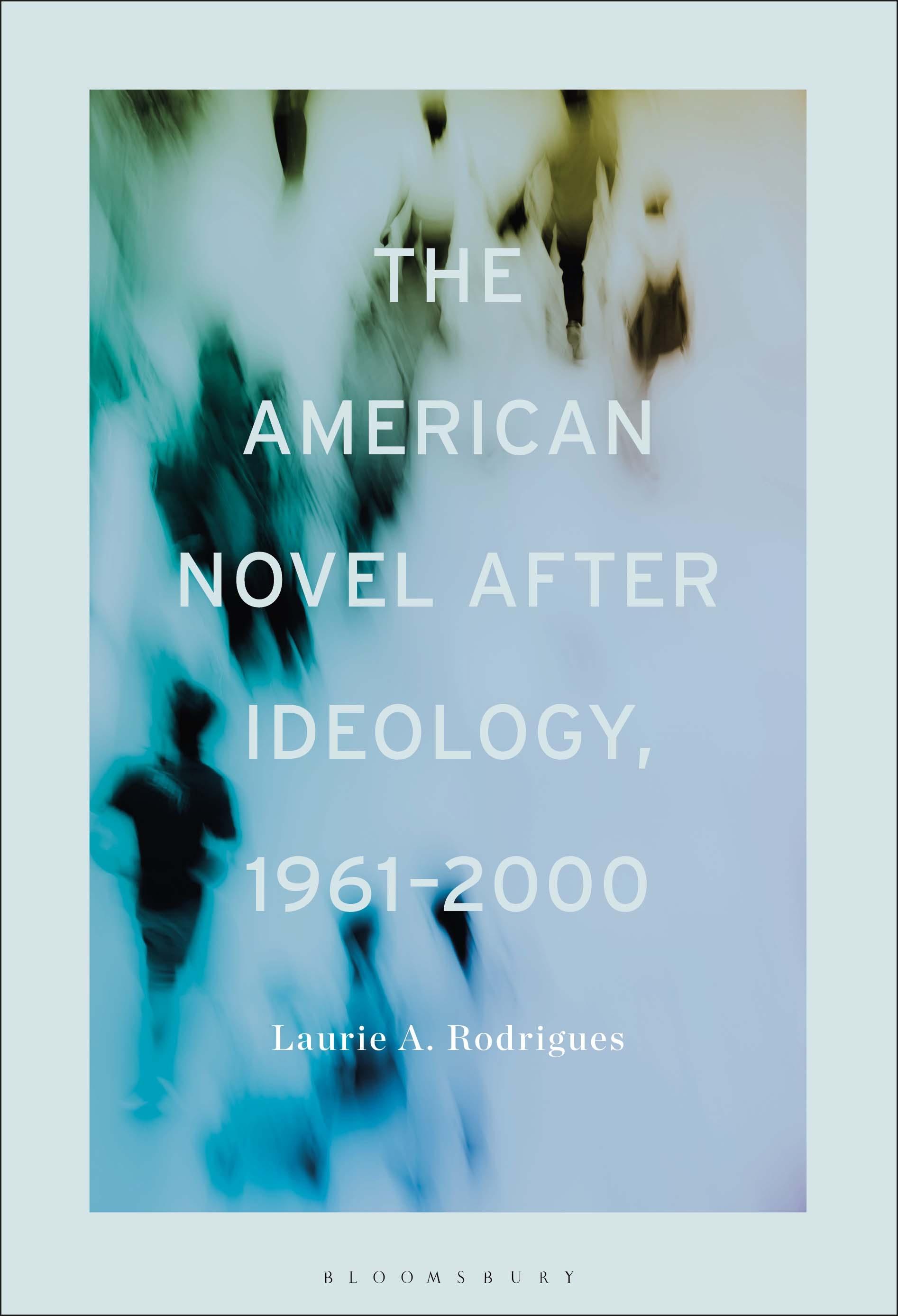
Claims of ideology's end are, on the one hand, performative denials of ideology's inability to end; while, on the other hand, paradoxically, they also reiterate an idea that 'ending' is simply what all ideologies eventually do. Situating her work around the intersecting publications of Daniel Bell's The End of Ideology (1960) and J.D. Salinger's Franny and Zooey (1961), Laurie Rodrigues argues that American novels express this paradox through nuanced applications of non-realist strategies, distorting realism in manners similar to ideology's distortions of reality, history, and belief.
Reflecting the astonishing cultural variety of this period, The American Novel After Ideology, 1961 - 2000 examines Franny and Zooey, Carlene Hatcher Polite's The Flagellants (1967), Leslie Marmon Silko's Almanac of the Dead (1991), and Philip Roth's The Human Stain (2001) alongside the various discussions around ideology with which they intersect. Each novel's plotless narratives, dissolving subjectivities, and cultural codes organize the texts' peculiar relations to the post-ideological age, suggesting an aesthetic return of the repressed.
Reflecting the astonishing cultural variety of this period, The American Novel After Ideology, 1961 - 2000 examines Franny and Zooey, Carlene Hatcher Polite's The Flagellants (1967), Leslie Marmon Silko's Almanac of the Dead (1991), and Philip Roth's The Human Stain (2001) alongside the various discussions around ideology with which they intersect. Each novel's plotless narratives, dissolving subjectivities, and cultural codes organize the texts' peculiar relations to the post-ideological age, suggesting an aesthetic return of the repressed.
Zahle einfach mit Karte, Klarna, Apple Pay oder Google Pay. Nicht zufrieden? Du hast immer ein 14-tägiges Widerrufsrecht. Lies mehr in unseren AGB. Hast du Fragen, schreib uns eine E-Mail an hello@memmo.org.
Memmo macht das Lernen einfacher – wo auch immer du bist. Bei uns findest du deine Kursbücher und smarte Lerntools an einem Ort: Zusammenfassungen, Quizzes, Podcasts und Lernkarten. Und Ted, dein Lernbuddy, beantwortet alles, was du wissen möchtest. Über 50.000 Studierende lernen bereits hier – gemacht, damit du schneller lernst und weniger Stress hast.