
What comes after postmodernism in literature?
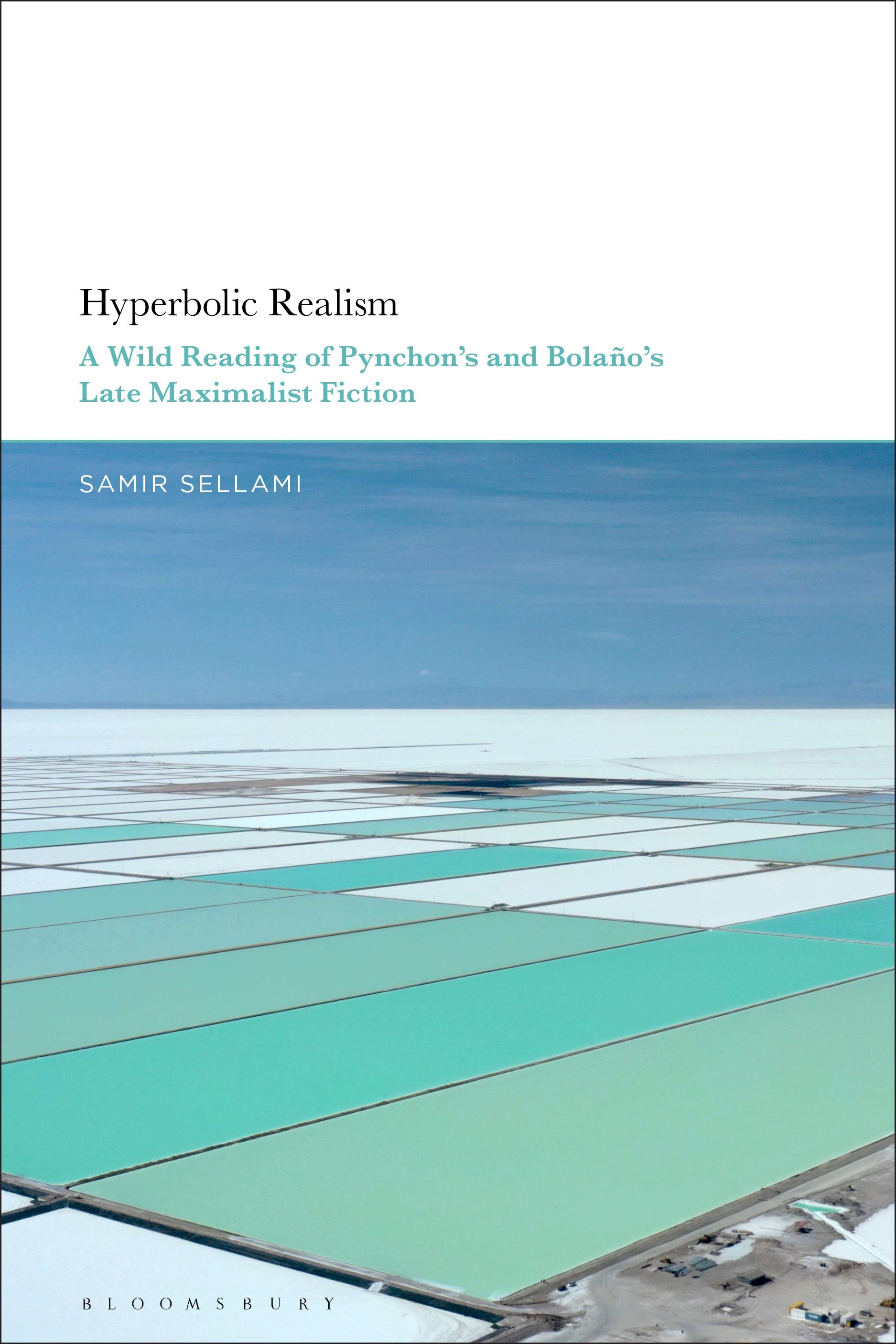
Hyperbolic Realism engages the contradiction that while it remains impossible to present a full picture of the world, assessing reality from a planetary perspective is now more than ever an ethical obligation for contemporary literature. The book thus examines the hyperbolic forms and features of Thomas Pynchon's Against the Day and Roberto Bolaño's 2666 – their discursive and material abundance, excessive fictionality, close intertwining of fantastic and historical genres, narrative doubt and spiraling uncertainty – which are deployed not as an escape from, but a plunge into reality. Faced with a reality in a permanent state of exception, Pynchon and Bolaño react to the excesses and distortions of the modern age with a new poetic and aesthetic paradigm that rejects both the naive illusion of a return to the real and the self-enclosed artificiality of classical postmodern writing: hyperbolic realism.
Hyperbolic Realism engages the contradiction that while it remains impossible to present a full picture of the world, assessing reality from a planetary perspective is now more than ever an ethical obligation for contemporary literature. The book thus examines the hyperbolic forms and features of Thomas Pynchon's Against the Day and Roberto Bolaño's 2666 – their discursive and material abundance, excessive fictionality, close intertwining of fantastic and historical genres, narrative doubt and spiraling uncertainty – which are deployed not as an escape from, but a plunge into reality. Faced with a reality in a permanent state of exception, Pynchon and Bolaño react to the excesses and distortions of the modern age with a new poetic and aesthetic paradigm that rejects both the naive illusion of a return to the real and the self-enclosed artificiality of classical postmodern writing: hyperbolic realism.
Zahle einfach mit Karte, Klarna, Apple Pay oder Google Pay. Nicht zufrieden? Du hast immer ein 14-tägiges Widerrufsrecht. Lies mehr in unseren AGB. Hast du Fragen, schreib uns eine E-Mail an hello@memmo.org.
Memmo macht das Lernen einfacher – wo auch immer du bist. Bei uns findest du deine Kursbücher und smarte Lerntools an einem Ort: Zusammenfassungen, Quizzes, Podcasts und Lernkarten. Und Ted, dein Lernbuddy, beantwortet alles, was du wissen möchtest. Über 50.000 Studierende lernen bereits hier – gemacht, damit du schneller lernst und weniger Stress hast.