
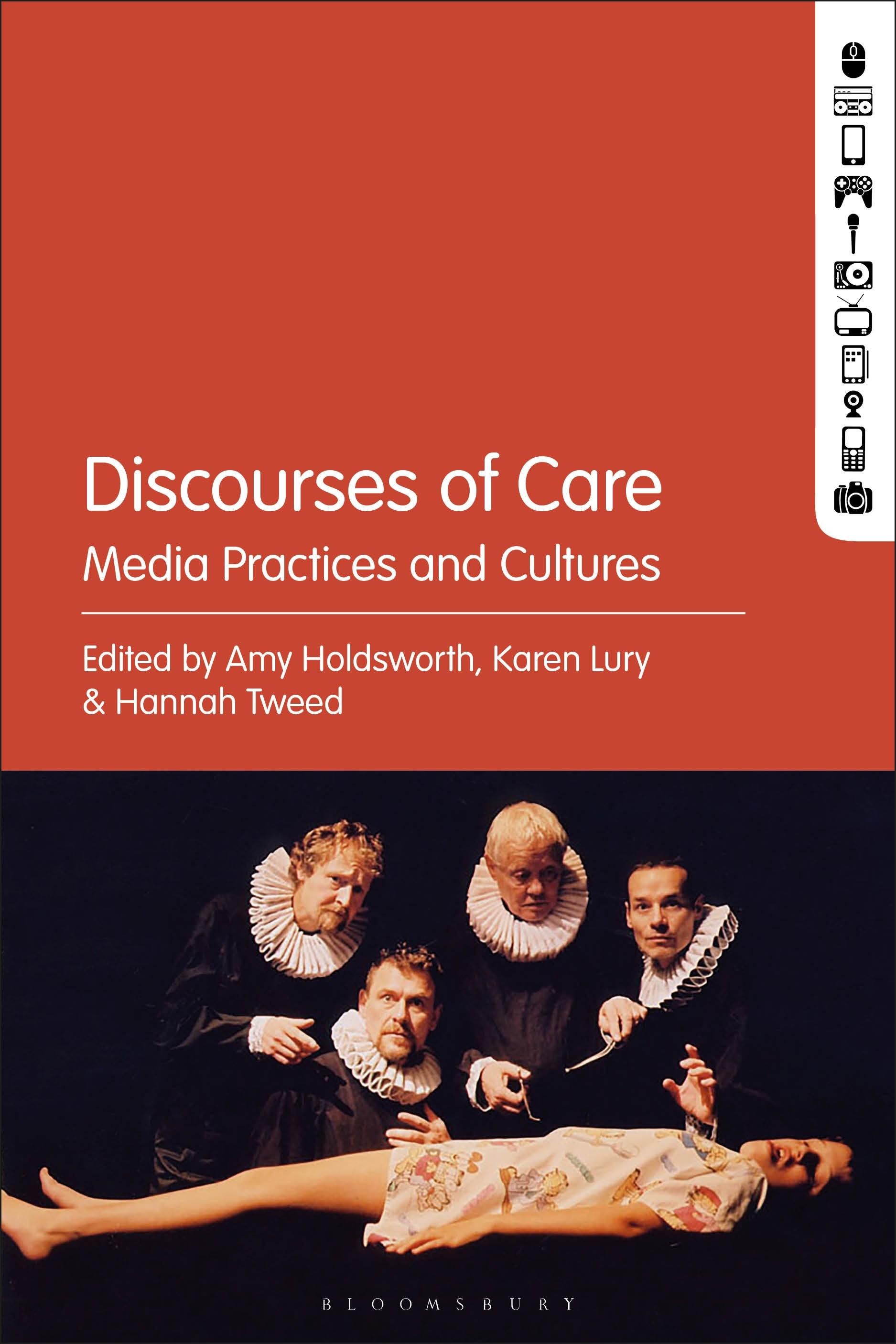
Bringing together scholars from film and television studies, media and cultural studies, literary studies, medical humanities, and disability studies, Discourses of Care collectively examines how the analysis of media texts and practices can contribute to scholarship on and understandings of health and social care, and how existing research focusing on the ethics of care can inform our understanding of media.
Featuring a critical introductory essay and 13 specially commissioned original chapters, this is the first edited collection to address the relationship between media and the concept and practice of care and caregiving. Contributors consider the representation of care and caregiving through a range of forms and practices – the television documentary, photography, film, non-theatrical cinema, tabloid media, autobiography, and public service broadcasting - and engage with the labour, as well as the practical and ethical dimensions of media production. Together, they offer an original and wide ranging exploration of the various ways in which media forms represent, articulate and operate within caring relationships and practices of care; whether this is between individuals, communities as well as audiences and institutions.
Featuring a critical introductory essay and 13 specially commissioned original chapters, this is the first edited collection to address the relationship between media and the concept and practice of care and caregiving. Contributors consider the representation of care and caregiving through a range of forms and practices – the television documentary, photography, film, non-theatrical cinema, tabloid media, autobiography, and public service broadcasting - and engage with the labour, as well as the practical and ethical dimensions of media production. Together, they offer an original and wide ranging exploration of the various ways in which media forms represent, articulate and operate within caring relationships and practices of care; whether this is between individuals, communities as well as audiences and institutions.
Zahle einfach mit Karte, Klarna, Apple Pay oder Google Pay. Nicht zufrieden? Du hast immer ein 14-tägiges Widerrufsrecht. Lies mehr in unseren AGB. Hast du Fragen, schreib uns eine E-Mail an hello@memmo.org.
Memmo macht das Lernen einfacher – wo auch immer du bist. Bei uns findest du deine Kursbücher und smarte Lerntools an einem Ort: Zusammenfassungen, Quizzes, Podcasts und Lernkarten. Und Ted, dein Lernbuddy, beantwortet alles, was du wissen möchtest. Über 50.000 Studierende lernen bereits hier – gemacht, damit du schneller lernst und weniger Stress hast.