
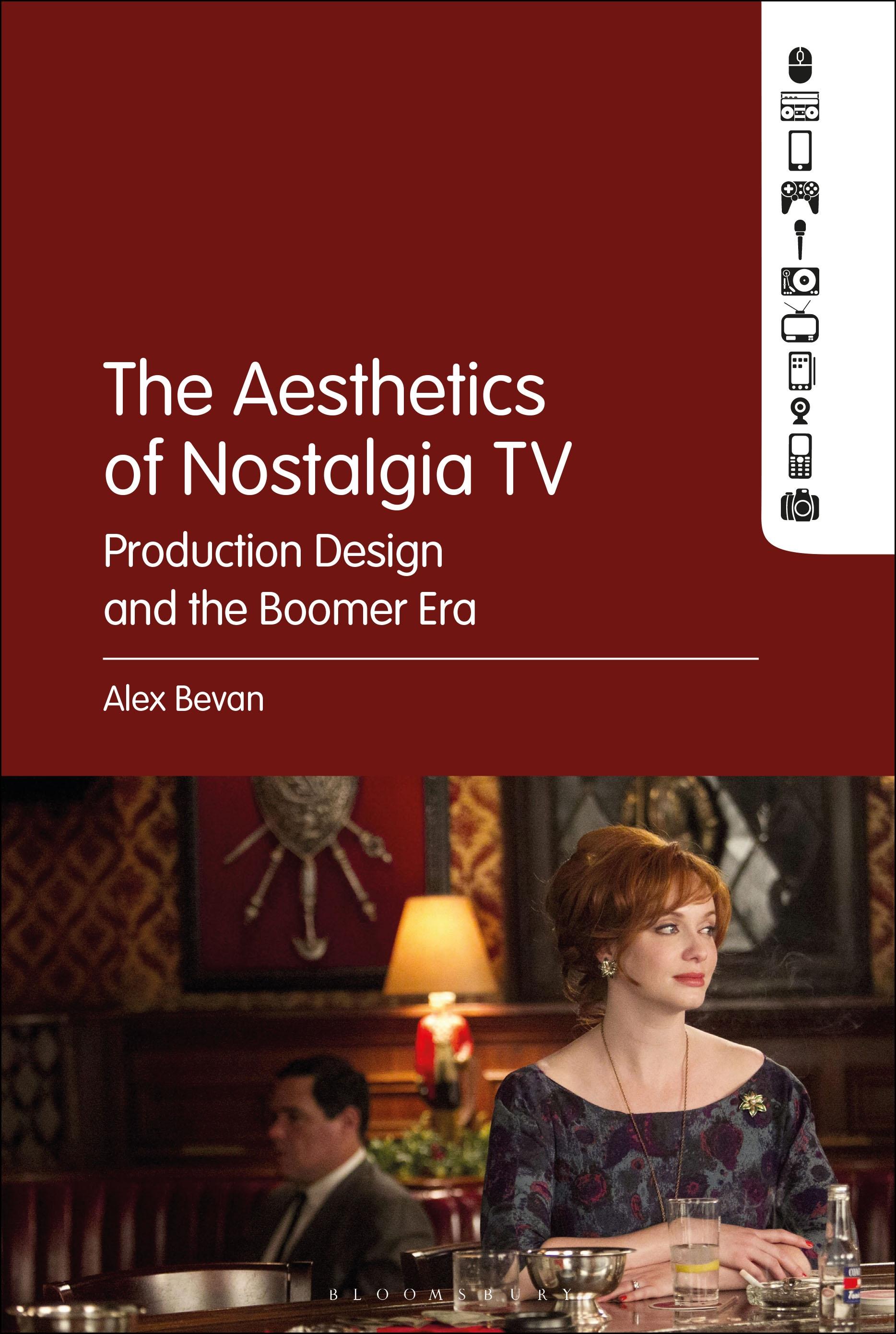
The Aesthetics of Nostalgia TV explores the aesthetic politics of nostalgia for 1950s and 60s America on contemporary television. Specifically, it looks at how nostalgic TV production design shapes and is shaped by larger historical discourses on gender and technological change, and America's perceived decline as a global power. Alex Bevan argues that the aesthetics of nostalgic TV tell stories of their own about historical decline and progress, and the place of the baby boomer television suburb in American national memory. She contests theories on nostalgia that see it as stagnating, regressive, or a reversion to outdated gender and racial politics, and the technophobic longing for a bygone era; and, instead, argues nostalgia is an important form of historical memory and vehicle for negotiating periods of historical transition. The book addresses how and why the shows construct the boomer era as a placeholder for gender, racial, technological, and declensionist discourses of the present. The book uses Mad Men (AMC, 2007-2015), Ugly Betty (ABC, 2006-2010), Desperate Housewives (ABC, 2004-2012), and film remakes of 1950s and 60s family sitcoms as primary case studies.
Zahle einfach mit Karte, Klarna, Apple Pay oder Google Pay. Nicht zufrieden? Du hast immer ein 14-tägiges Widerrufsrecht. Lies mehr in unseren AGB. Hast du Fragen, schreib uns eine E-Mail an hello@memmo.org.
Memmo macht das Lernen einfacher – wo auch immer du bist. Bei uns findest du deine Kursbücher und smarte Lerntools an einem Ort: Zusammenfassungen, Quizzes, Podcasts und Lernkarten. Und Ted, dein Lernbuddy, beantwortet alles, was du wissen möchtest. Über 50.000 Studierende lernen bereits hier – gemacht, damit du schneller lernst und weniger Stress hast.