
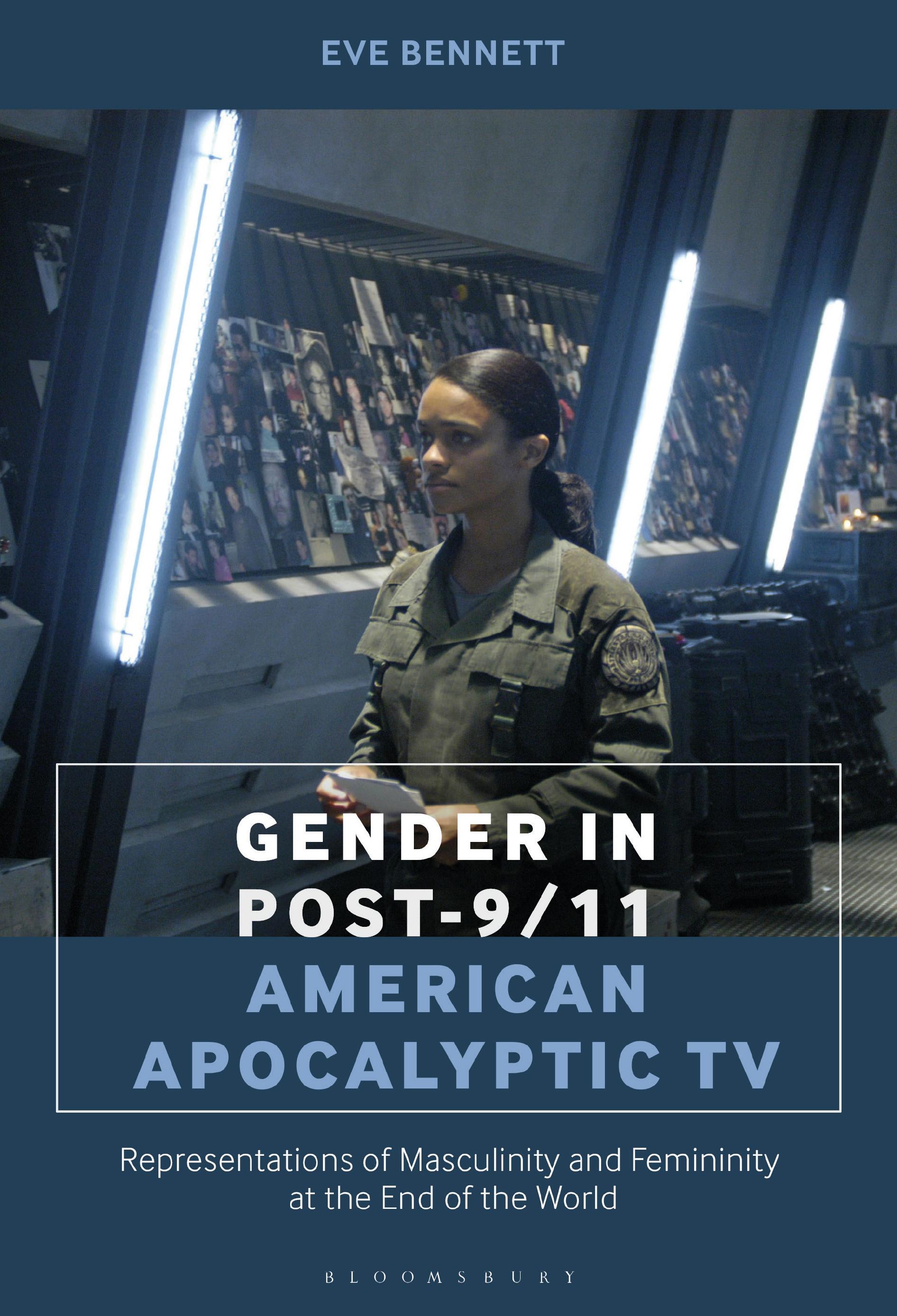
In the years following 9/11, American TV developed a preoccupation with apocalypse. Science fiction and fantasy shows ranging from Firefly to Heroes, from the rebooted Battlestar Galactica to Lost, envisaged scenarios in which world-changing disasters were either threatened or actually took place. During the same period numerous commentators observed that the American media's representation of gender had undergone a marked regression, possibly, it was suggested, as a consequence of the 9/11 attacks and the feelings of weakness and insecurity they engendered in the nation's men.
Eve Bennett investigates whether the same impulse to return to traditional images of masculinity and femininity can be found in the contemporary cycle of apocalyptic series, programmes which, like 9/11 itself, present plenty of opportunity for narratives of damsels-in-distress and heroic male rescuers. However, as this book shows, whether such narratives play out in the expected manner is another matter.
Eve Bennett investigates whether the same impulse to return to traditional images of masculinity and femininity can be found in the contemporary cycle of apocalyptic series, programmes which, like 9/11 itself, present plenty of opportunity for narratives of damsels-in-distress and heroic male rescuers. However, as this book shows, whether such narratives play out in the expected manner is another matter.
Zahle einfach mit Karte, Klarna, Apple Pay oder Google Pay. Nicht zufrieden? Du hast immer ein 14-tägiges Widerrufsrecht. Lies mehr in unseren AGB. Hast du Fragen, schreib uns eine E-Mail an hello@memmo.org.
Memmo macht das Lernen einfacher – wo auch immer du bist. Bei uns findest du deine Kursbücher und smarte Lerntools an einem Ort: Zusammenfassungen, Quizzes, Podcasts und Lernkarten. Und Ted, dein Lernbuddy, beantwortet alles, was du wissen möchtest. Über 50.000 Studierende lernen bereits hier – gemacht, damit du schneller lernst und weniger Stress hast.