
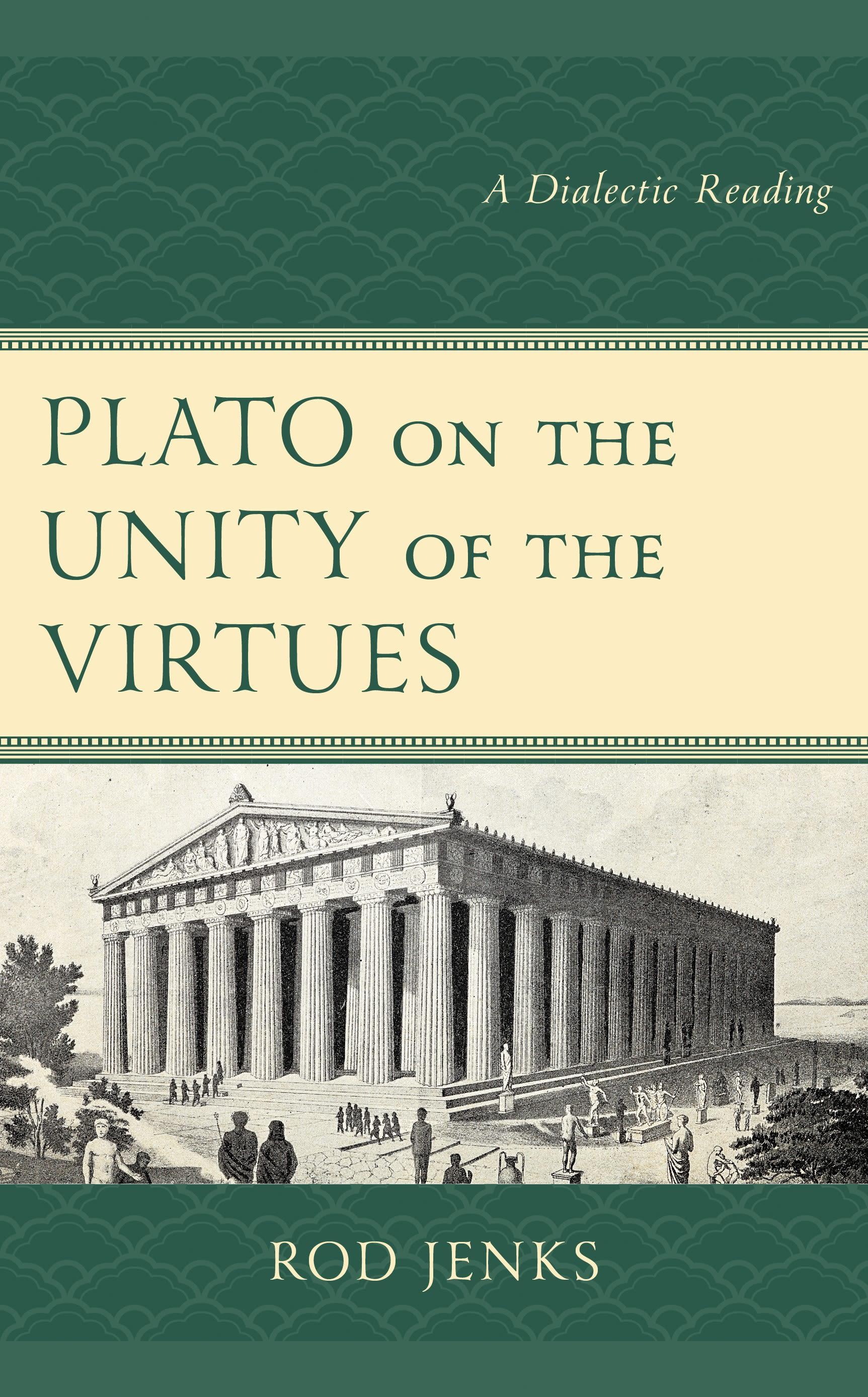
Plato, in the Protagoras, suggests that the virtues are profoundly unified yet also distinct. In Plato on the Unity of the Virtues: A Dialectic Reading, Rod Jenks argues that the way in which virtues are both one and many is finally ineffable. He shows how Plato countenances ineffability throughout his corpus. Jenks’s interpretation of Protagoras accounts for the otherwise-inexplicable inability of both Socrates and Protagoras to identify the bone of contention between them. Not only can the thesis not be argued for; it can’t even be properly stated. In this book, Jenks shows how the long exegesis on the Simonides poem is philosophically relevant. Further, he shows that both the parts-of-the-face analogy and the gold analogy are inadequate, arguing that Plato intends them to be so. Jenks explains why the unity thesis is supported by what most scholars agree are terrible arguments: that the virtues are both one and many. He explains why, despite the unity claim being profoundly elusive, Plato believes it to be crucial that we come to appreciate how virtue, which really does have parts, can also be profoundly one.
Zahle einfach mit Karte, Klarna, Apple Pay oder Google Pay. Nicht zufrieden? Du hast immer ein 14-tägiges Widerrufsrecht. Lies mehr in unseren AGB. Hast du Fragen, schreib uns eine E-Mail an hello@memmo.org.
Memmo macht das Lernen einfacher – wo auch immer du bist. Bei uns findest du deine Kursbücher und smarte Lerntools an einem Ort: Zusammenfassungen, Quizzes, Podcasts und Lernkarten. Und Ted, dein Lernbuddy, beantwortet alles, was du wissen möchtest. Über 50.000 Studierende lernen bereits hier – gemacht, damit du schneller lernst und weniger Stress hast.