
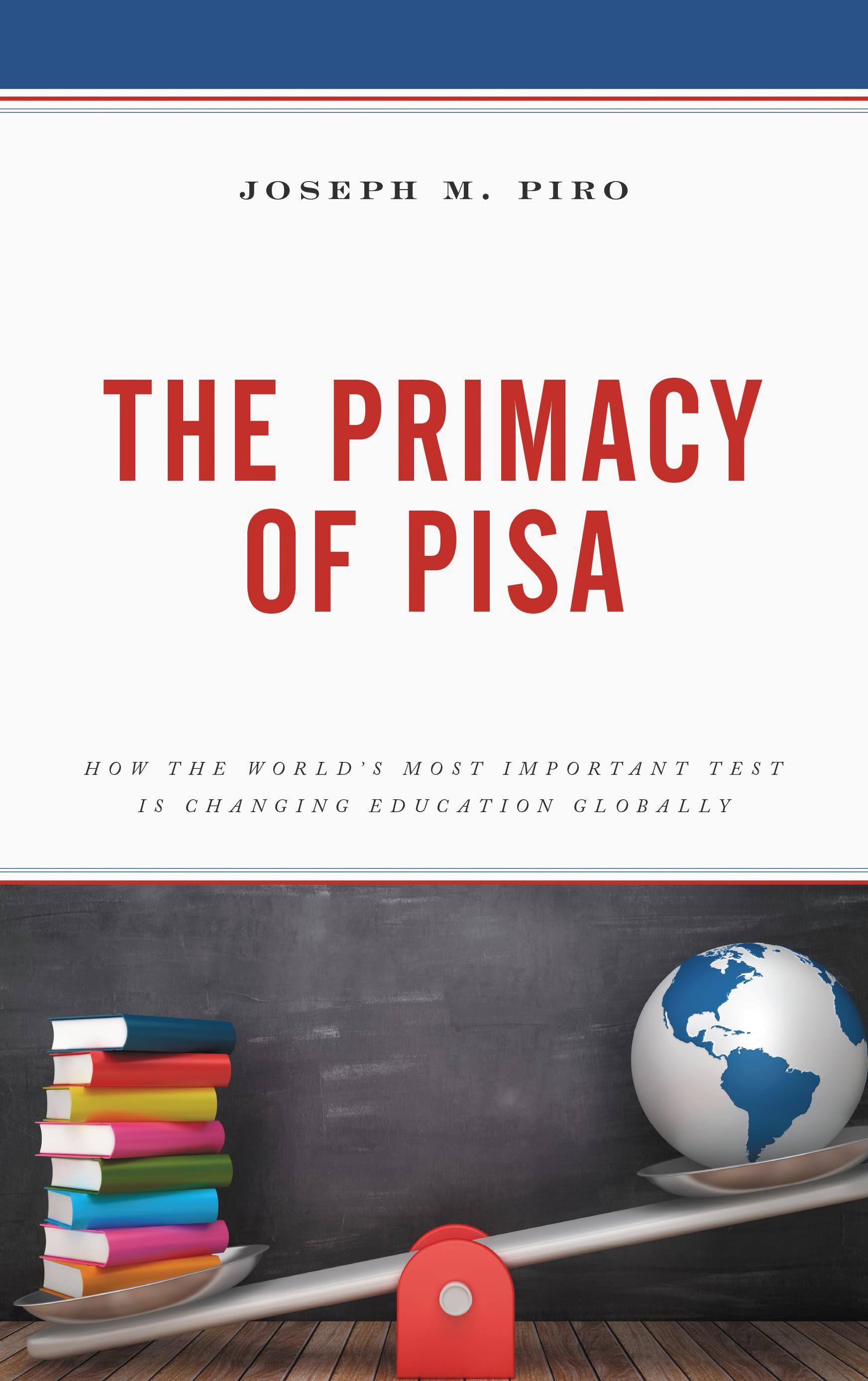
Every three years the world awaits the results of the Programme for International Student Assessment or PISA, the rankings of school systems overseen by the Organisation for Economic Co-operation and Development (OECD). Nations around the world look eagerly and apprehensively to see where their students rank on these tests of competence in, mainly, science, math and reading. This book provides a window into PISA and its power. What exactly is PISA? How are its tests developed? Who takes the test? What countries tend to outperform and which underperform? What do countries learn from PISA? Why is PISA both revered and feared? And, most importantly, does PISA improve education globally?
The first PISA, in 2000, included 32 countries. In 2018, nearly eighty nations took part in PISA. That number is expected to double by 2030. This may mean that students in over 80% of the world’s countries will take the PISA exams. This scenario has made PISA more important than ever. This book probes topics and themes related to “the world’s most important exam” and why many view a high PISA ranking—rightly or wrongly—as global education’s seal of approval. Because of this, PISA has been called a disruptor, a test which can trigger major reform in school systems around the world. But is it the PISA rankings that are the real disruptor or the decisions countries make because of their rankings? These decisions often involve systemic changes in teaching and learning which can substantially alter how a country measures and prioritizes its education system.
The first PISA, in 2000, included 32 countries. In 2018, nearly eighty nations took part in PISA. That number is expected to double by 2030. This may mean that students in over 80% of the world’s countries will take the PISA exams. This scenario has made PISA more important than ever. This book probes topics and themes related to “the world’s most important exam” and why many view a high PISA ranking—rightly or wrongly—as global education’s seal of approval. Because of this, PISA has been called a disruptor, a test which can trigger major reform in school systems around the world. But is it the PISA rankings that are the real disruptor or the decisions countries make because of their rankings? These decisions often involve systemic changes in teaching and learning which can substantially alter how a country measures and prioritizes its education system.
Zahle einfach mit Karte, Klarna, Apple Pay oder Google Pay. Nicht zufrieden? Du hast immer ein 14-tägiges Widerrufsrecht. Lies mehr in unseren AGB. Hast du Fragen, schreib uns eine E-Mail an hello@memmo.org.
Memmo macht das Lernen einfacher – wo auch immer du bist. Bei uns findest du deine Kursbücher und smarte Lerntools an einem Ort: Zusammenfassungen, Quizzes, Podcasts und Lernkarten. Und Ted, dein Lernbuddy, beantwortet alles, was du wissen möchtest. Über 50.000 Studierende lernen bereits hier – gemacht, damit du schneller lernst und weniger Stress hast.