
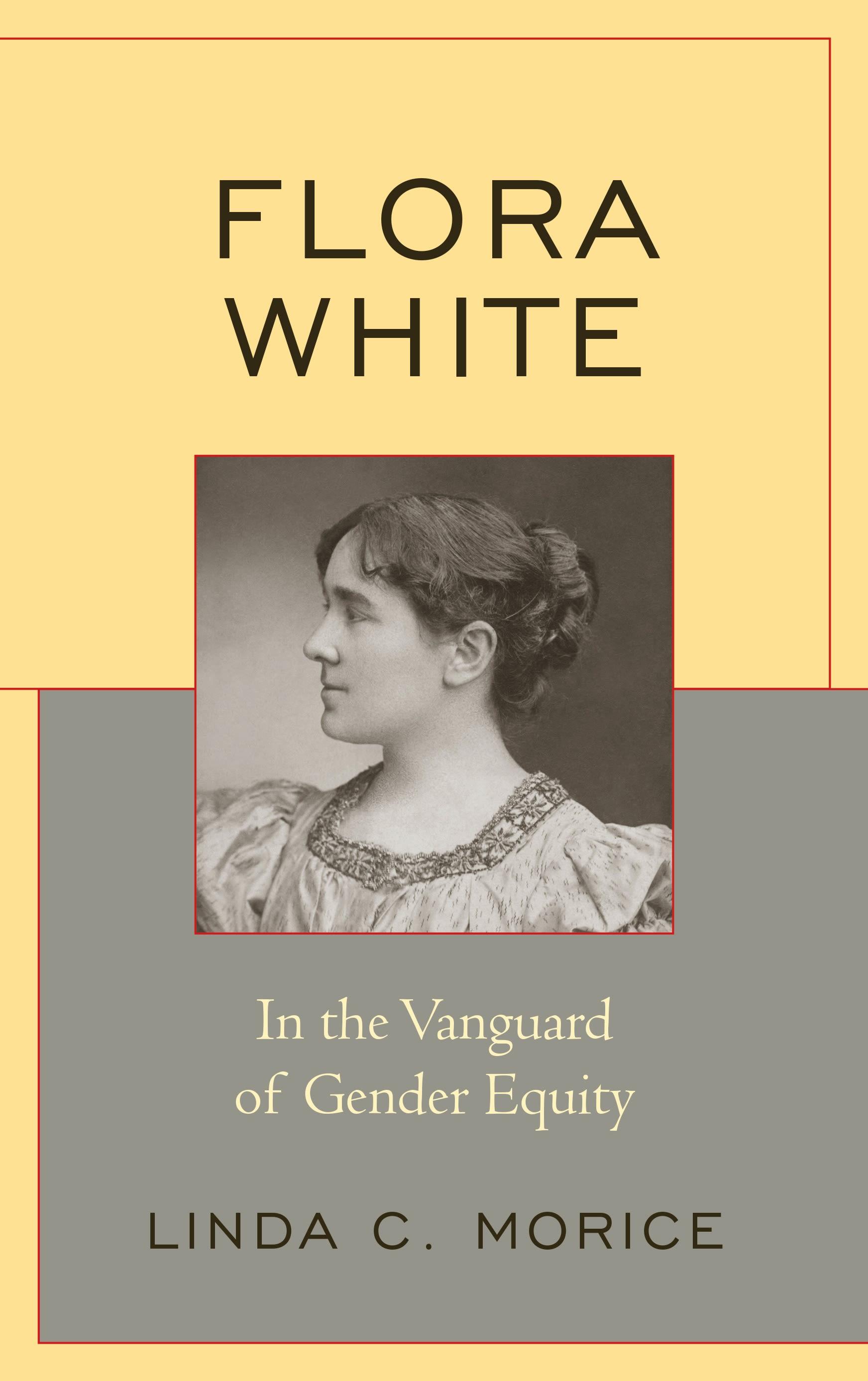
Flora White: In the Vanguard of Gender Equity draws on a collection of personal papers (only recently made available to scholars) to present the life of a colorful New England educator who lived from the Civil War to the Cold War. Throughout her career, White worked to promote the physical and intellectual growth of girls and young women beyond the narrow gender stereotypes of the day. Although White’s name is not a household word, this book represents a newer form of biography in which the life of a lesser-known individual serves as a lens for understanding larger social and cultural developments.
In Flora White’s case, this newer biographical approach produced findings to inform research in both educational history and gender studies. For example, White’s papers correct some longstanding misconceptions about the origins of the progressive education movement and the role women played in it. White’s sources also shed light on the complicated relationships of educated (but marginalized) U.S. women and the prominent men who mentored them. In addition, White’s papers show that--in order to protect herself from those who might find her words objectionable—she used coded language (such as poetry) to counter sexist stereotypes and advance her desire for a fuller life for her students and herself. Although, upon her death, a newspaper obituary praised White for being recognized by “men of note” in educational circles, her efforts to promote the physical and intellectual development of girls and women helped to create opportunity that is still unfolding today.
In Flora White’s case, this newer biographical approach produced findings to inform research in both educational history and gender studies. For example, White’s papers correct some longstanding misconceptions about the origins of the progressive education movement and the role women played in it. White’s sources also shed light on the complicated relationships of educated (but marginalized) U.S. women and the prominent men who mentored them. In addition, White’s papers show that--in order to protect herself from those who might find her words objectionable—she used coded language (such as poetry) to counter sexist stereotypes and advance her desire for a fuller life for her students and herself. Although, upon her death, a newspaper obituary praised White for being recognized by “men of note” in educational circles, her efforts to promote the physical and intellectual development of girls and women helped to create opportunity that is still unfolding today.
Zahle einfach mit Karte, Klarna, Apple Pay oder Google Pay. Nicht zufrieden? Du hast immer ein 14-tägiges Widerrufsrecht. Lies mehr in unseren AGB. Hast du Fragen, schreib uns eine E-Mail an hello@memmo.org.
Memmo macht das Lernen einfacher – wo auch immer du bist. Bei uns findest du deine Kursbücher und smarte Lerntools an einem Ort: Zusammenfassungen, Quizzes, Podcasts und Lernkarten. Und Ted, dein Lernbuddy, beantwortet alles, was du wissen möchtest. Über 50.000 Studierende lernen bereits hier – gemacht, damit du schneller lernst und weniger Stress hast.