
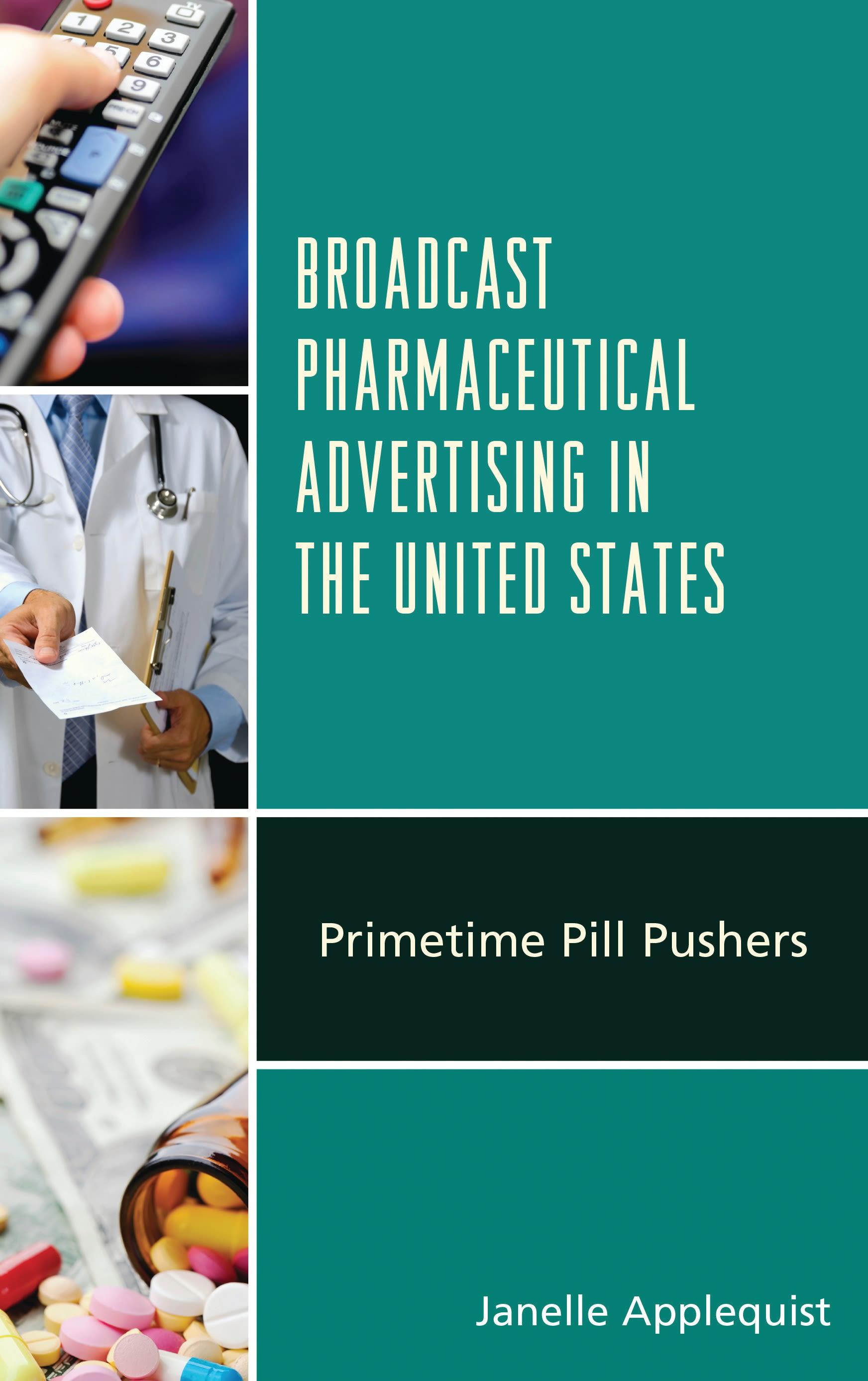
How often do we stop to recognize what pharmaceutical advertisements are telling us? Broadcast Pharmaceutical Advertising in the United States: Prime Time Pill Pushers engages with this question to include how pharmaceutical companies are shaping the meaning of drug interventions for individuals and the ways in which pharmaceutical advertisements frame issues of identity and representation for patients and health care. Such issues highlight how patients are being framed as consumers in these advertisements, which then permits the commodification of health care to be celebrated. Such a celebration has strong ideological implications, including definitions of “the good life,” patient agency, and the role of DTCAs in such depictions. By defining and discussing medicalization, pharmaceuticalization, and commodity fetishism, this book introduces how the term “pharmaceutical fetishism” can act as a means for describing the commodification of brand-name pharmaceutical drugs, which, via advertising and promotional culture, ignores large-scale production and for-profit motives of “big pharma.”
Zahle einfach mit Karte, Klarna, Apple Pay oder Google Pay. Nicht zufrieden? Du hast immer ein 14-tägiges Widerrufsrecht. Lies mehr in unseren AGB. Hast du Fragen, schreib uns eine E-Mail an hello@memmo.org.
Memmo macht das Lernen einfacher – wo auch immer du bist. Bei uns findest du deine Kursbücher und smarte Lerntools an einem Ort: Zusammenfassungen, Quizzes, Podcasts und Lernkarten. Und Ted, dein Lernbuddy, beantwortet alles, was du wissen möchtest. Über 50.000 Studierende lernen bereits hier – gemacht, damit du schneller lernst und weniger Stress hast.