
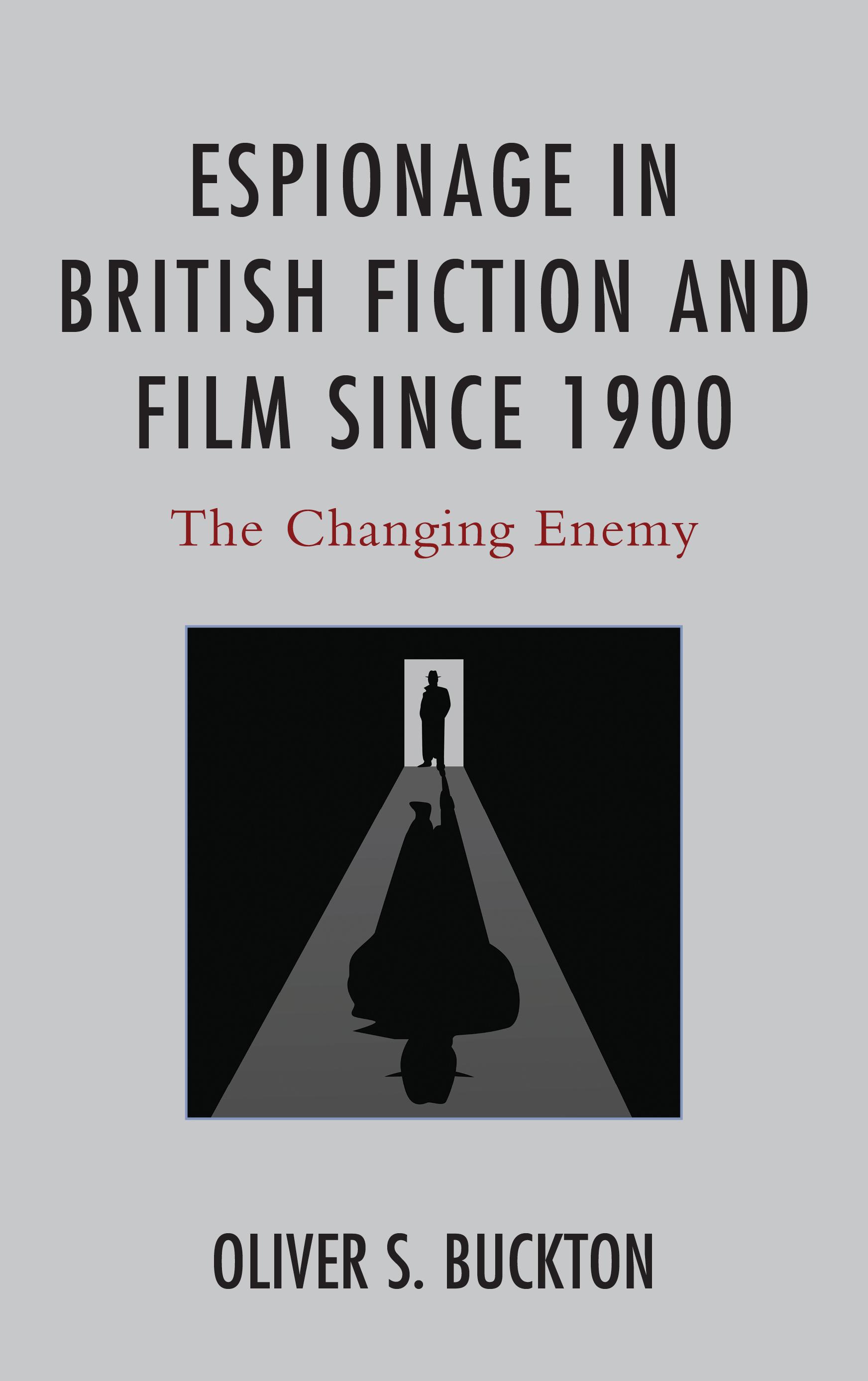
Espionage in British Fiction and Film Since 1900 traces the history and development of the British spy novel from its emergence in the early twentieth century, through its growth as a popular genre during the Cold War, to its resurgence in the early twenty-first century. Using an innovative structure, the chapters focus on specific categories of fictional spying (such as the accidental spy or the professional) and identify each type with a vital period in the evolution of the spy novel and film. A central section of the book considers how, with the creation of James Bond by Ian Fleming in the 1950s, the professional spy was launched on a new career of global popularity, enhanced by the Bond film franchise.
In the realm of fiction, a glance at the fiction bestseller list will reveal the continuing appeal of novelists such as John le Carré, Frederick Forsyth, Charles Cumming, Stella Rimington, Daniel Silva, Alec Berenson, Christopher Reich—to name but a few—and illustrates the continued fascination with the spy novel into the twenty-first century, decades after the end of the Cold War. There is also a burgeoning critical interest in spy fiction, with a number of new studies appearing in recent years. A genre that many believed would falter and disappear after the fall of the Berlin Wall and the collapse of the Soviet empire has shown, if anything, increased signs of vitality.
While exploring the origins of the British spy, tracing it through cultural and historical events, Espionage in British Fiction and Film Since 1900 also keeps in focus the essential role of the “changing enemy”—the chief adversary of and threat to Britain and its allies—in the evolution of spy fiction and cinema. The book concludes by analyzing examples of the enduring vitality of the British spy novel and film in the decades since the end of the Cold War.
In the realm of fiction, a glance at the fiction bestseller list will reveal the continuing appeal of novelists such as John le Carré, Frederick Forsyth, Charles Cumming, Stella Rimington, Daniel Silva, Alec Berenson, Christopher Reich—to name but a few—and illustrates the continued fascination with the spy novel into the twenty-first century, decades after the end of the Cold War. There is also a burgeoning critical interest in spy fiction, with a number of new studies appearing in recent years. A genre that many believed would falter and disappear after the fall of the Berlin Wall and the collapse of the Soviet empire has shown, if anything, increased signs of vitality.
While exploring the origins of the British spy, tracing it through cultural and historical events, Espionage in British Fiction and Film Since 1900 also keeps in focus the essential role of the “changing enemy”—the chief adversary of and threat to Britain and its allies—in the evolution of spy fiction and cinema. The book concludes by analyzing examples of the enduring vitality of the British spy novel and film in the decades since the end of the Cold War.
Seiten: 364
Kategorie: Litteraturvetenskap & Teori
e-ISBN: 9781498504843
Versandgewicht: 1.2 kg
Versand in: 1-2 Tage
Zahle einfach mit Karte, Klarna, Apple Pay oder Google Pay. Nicht zufrieden? Du hast immer ein 14-tägiges Widerrufsrecht. Lies mehr in unseren AGB. Hast du Fragen, schreib uns eine E-Mail an hello@memmo.org.
Memmo macht das Lernen einfacher – wo auch immer du bist. Bei uns findest du deine Kursbücher und smarte Lerntools an einem Ort: Zusammenfassungen, Quizzes, Podcasts und Lernkarten. Und Ted, dein Lernbuddy, beantwortet alles, was du wissen möchtest. Über 50.000 Studierende lernen bereits hier – gemacht, damit du schneller lernst und weniger Stress hast.