
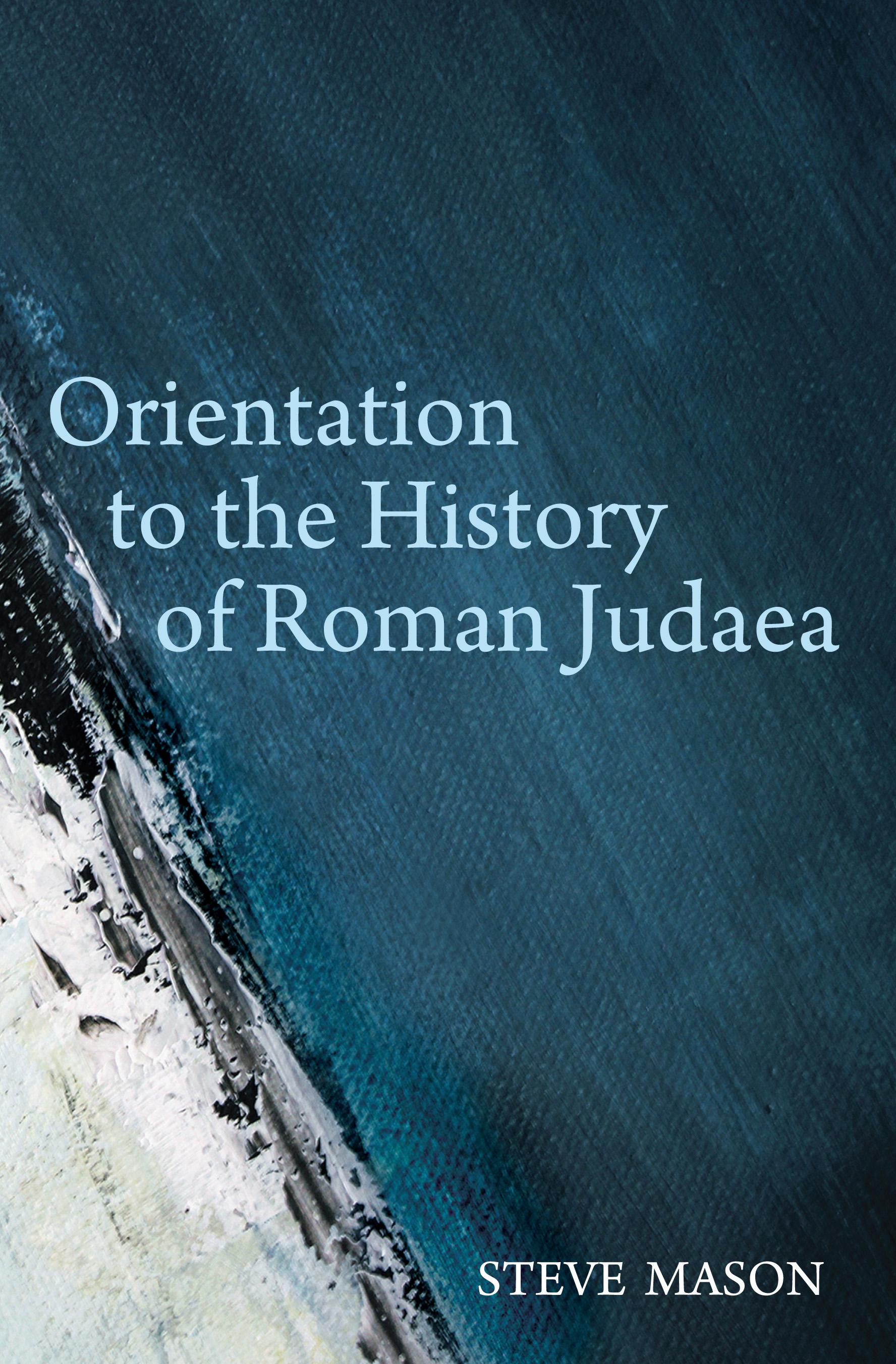
No field of study is livelier than the history of Roman-era Judaea (ca. 200 BC to AD 400). Bold reinterpretations of texts and new archaeological discoveries prompt us constantly to rethink assumptions. What kind of religion was Judaism? How did Jews--and Christians--relate to Roman imperial power? Should we speak of Judaism or Judaisms? How should the finds at Qumran affect our understanding? Did Paul and other early Christians remain within Judaism? Should we translate Ioudaioi as "Jews" or "Judaeans"?
These debates can leave students perplexed, this book argues, because the participants share only a topic. They are actually investigating different questions using disparate criteria. In the hope of facilitating communication and preparing advanced students, this book explores two basic but neglected problems: What does it mean to do history (if history is what we wish to do)? And how did the ancients understand and describe their world? It is not a history, then, but an orientation to the history of Roman Judaea.
Rather than trying to specify which questions are good ones or what one should think about them, the book offers new perspectives to help unleash the historical imagination while reckoning squarely with the nature of our evidence.
Zahle einfach mit Karte, Klarna, Apple Pay oder Google Pay. Nicht zufrieden? Du hast immer ein 14-tägiges Widerrufsrecht. Lies mehr in unseren AGB. Hast du Fragen, schreib uns eine E-Mail an hello@memmo.org.
Memmo macht das Lernen einfacher – wo auch immer du bist. Bei uns findest du deine Kursbücher und smarte Lerntools an einem Ort: Zusammenfassungen, Quizzes, Podcasts und Lernkarten. Und Ted, dein Lernbuddy, beantwortet alles, was du wissen möchtest. Über 50.000 Studierende lernen bereits hier – gemacht, damit du schneller lernst und weniger Stress hast.
Das könnte dir auch gefallen
Buch kaufen0