
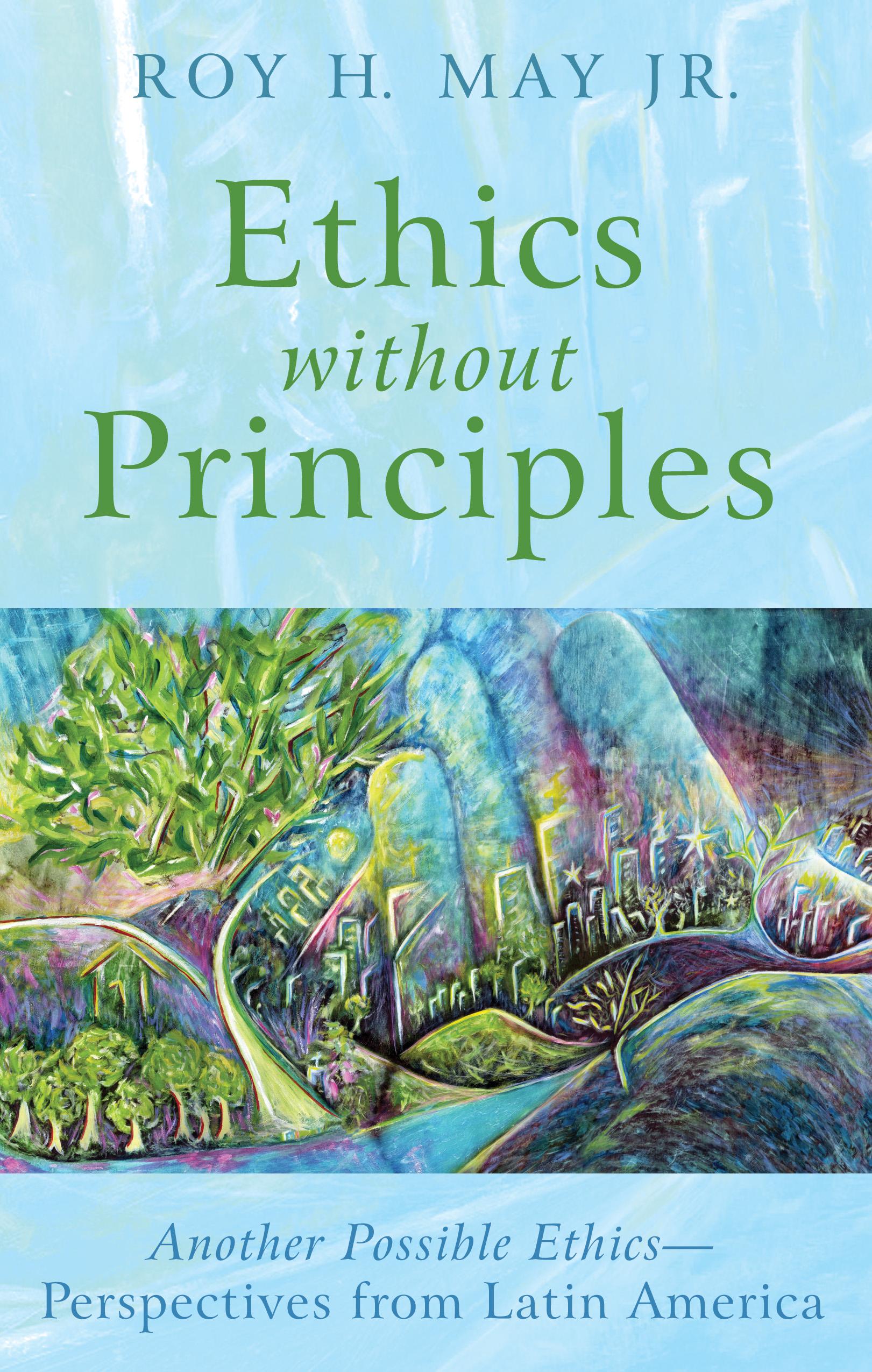
Ethics in the West too often equates morality with universal moral principles, thus imposing lifestyles and moral criteria that do not respect differences and local histories. Even Christianity proposes ethics that is based on eternal, absolute and universal truths or principles, independent of sociocultural and historical contexts. The problem is that these universal moral laws become a means of social control to exclude those who are different: non-Christian religions, nonwhite races, non-Western cultures, and poor and marginalized social classes everywhere. To these can be added minorities marginalized because of sexual orientation, physical handicaps, and women of all sectors and cultures. Another kind of ethics is urgent. For these reasons, Christians in Latin America and other parts are seeking innovative ways of envisioning ethics from their marginalized and discriminated social locations in order to find another possible ethics, an ethics that is not universal and not based on eternal truths or principles, but rather is contextual and historical and that takes into account real-life realities. Only an ethics that does this will be liberative. Important steps toward this other possible ethics have been taken by the theology of liberation by developing a contextual and intercultural morality.
Zahle einfach mit Karte, Klarna, Apple Pay oder Google Pay. Nicht zufrieden? Du hast immer ein 14-tägiges Widerrufsrecht. Lies mehr in unseren AGB. Hast du Fragen, schreib uns eine E-Mail an hello@memmo.org.
Memmo macht das Lernen einfacher – wo auch immer du bist. Bei uns findest du deine Kursbücher und smarte Lerntools an einem Ort: Zusammenfassungen, Quizzes, Podcasts und Lernkarten. Und Ted, dein Lernbuddy, beantwortet alles, was du wissen möchtest. Über 50.000 Studierende lernen bereits hier – gemacht, damit du schneller lernst und weniger Stress hast.
Das könnte dir auch gefallen
Buch kaufen0