
Contributions by Miranda A. Green-Barteet, Kathleen Kellett, Andrew McInnes, Joyce McPherson, Rebecca Mills, Cristina Rivera, Wendy Rountree, Danielle Russell, Anah-Jayne Samuelson, Sonya Sawyer Fritz, Andrew Trevarrow, and Richardine Woodall
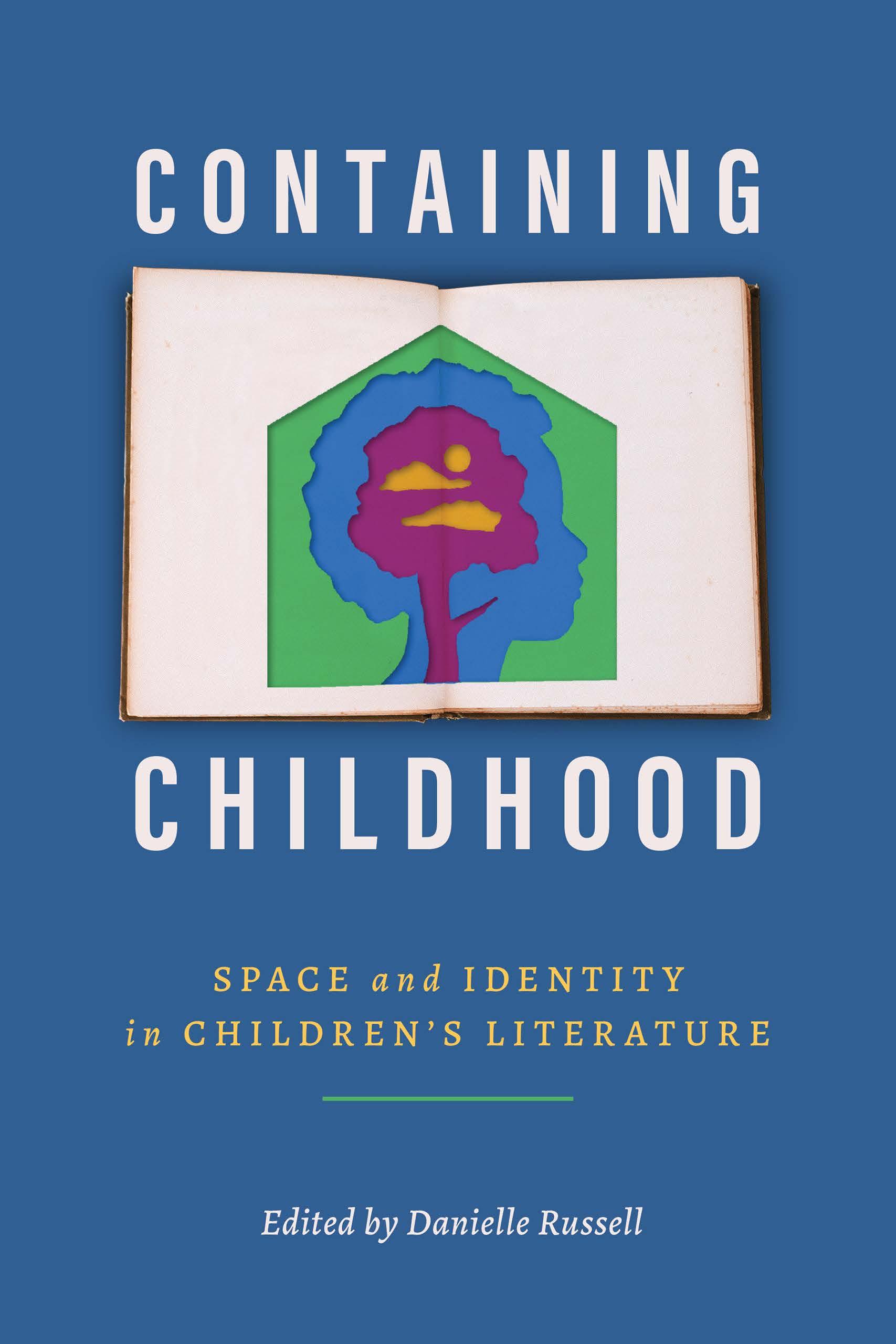
Home. School. Nature. The spaces children occupy, both physically and imaginatively, are never neutral. Instead, they carry social, cultural, and political histories that impose—or attempt to impose—behavioral expectations. Moreover, the spaces identified with childhood reflect and reveal adult expectations of where children “belong.”
The essays in Containing Childhood: Space and Identity in Children’s Literature explore the multifaceted and dynamic nature of space, as well as the relationship between space and identity in children’s literature. Contributors to the volume address such questions as: What is the nature of that relationship? What happens to the spaces associated with childhood over time? How do children conceptualize and lay claim to their own spaces?
The book features essays on popular and lesser-known children’s fiction from North America and Great Britain, including works like The Hate U Give, His Dark Materials, The Giver quartet, and Shadowshaper. Adopting a multidisciplinary approach in their analysis, contributors draw upon varied scholarly areas such as philosophy, race, class, and gender studies, among others. Without reducing the issues to any singular theory or perspective, each piece provides insight into specific treatments of space in specific periods of time, thereby affording scholars a greater appreciation of the diverse spatial patterns in children’s literature.
Home. School. Nature. The spaces children occupy, both physically and imaginatively, are never neutral. Instead, they carry social, cultural, and political histories that impose—or attempt to impose—behavioral expectations. Moreover, the spaces identified with childhood reflect and reveal adult expectations of where children “belong.”
The essays in Containing Childhood: Space and Identity in Children’s Literature explore the multifaceted and dynamic nature of space, as well as the relationship between space and identity in children’s literature. Contributors to the volume address such questions as: What is the nature of that relationship? What happens to the spaces associated with childhood over time? How do children conceptualize and lay claim to their own spaces?
The book features essays on popular and lesser-known children’s fiction from North America and Great Britain, including works like The Hate U Give, His Dark Materials, The Giver quartet, and Shadowshaper. Adopting a multidisciplinary approach in their analysis, contributors draw upon varied scholarly areas such as philosophy, race, class, and gender studies, among others. Without reducing the issues to any singular theory or perspective, each piece provides insight into specific treatments of space in specific periods of time, thereby affording scholars a greater appreciation of the diverse spatial patterns in children’s literature.
Zahle einfach mit Karte, Klarna, Apple Pay oder Google Pay. Nicht zufrieden? Du hast immer ein 14-tägiges Widerrufsrecht. Lies mehr in unseren AGB. Hast du Fragen, schreib uns eine E-Mail an hello@memmo.org.
Memmo macht das Lernen einfacher – wo auch immer du bist. Bei uns findest du deine Kursbücher und smarte Lerntools an einem Ort: Zusammenfassungen, Quizzes, Podcasts und Lernkarten. Und Ted, dein Lernbuddy, beantwortet alles, was du wissen möchtest. Über 50.000 Studierende lernen bereits hier – gemacht, damit du schneller lernst und weniger Stress hast.
Das könnte dir auch gefallen
Buch kaufen0