
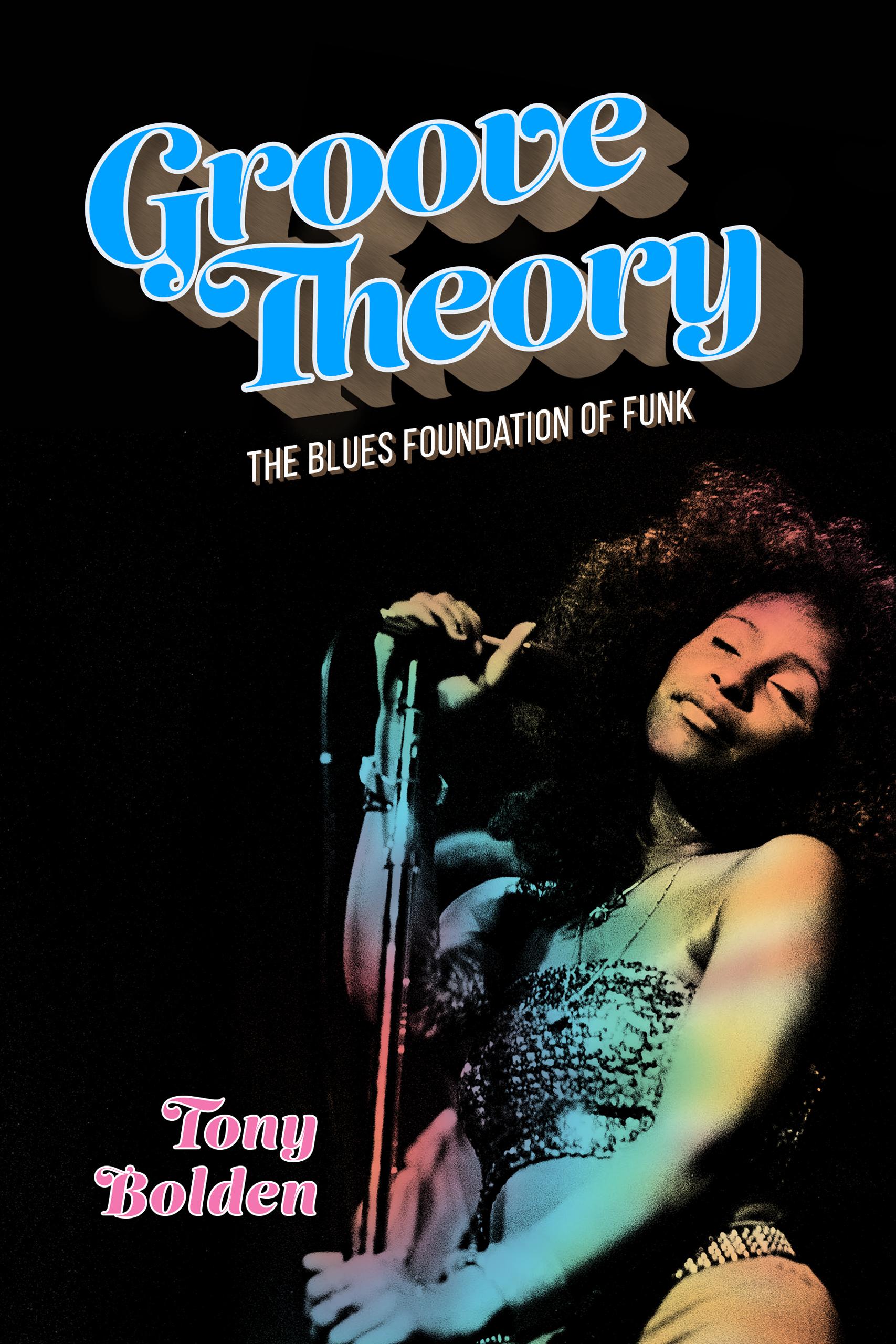
Tony Bolden presents an innovative history of funk music focused on the performers, regarding them as intellectuals who fashioned a new aesthetic. Utilizing musicology, literary studies, performance studies, and African American intellectual history, Bolden explores what it means for music, or any cultural artifact, to be funky. Multitudes of African American musicians and dancers created aesthetic frameworks with artistic principles and cultural politics that proved transformative. Bolden approaches the study of funk and black musicians by examining aesthetics, poetics, cultural history, and intellectual history. The study traces the concept of funk from early blues culture to a metamorphosis into a full-fledged artistic framework and a named musical genre in the 1970s, and thereby Bolden presents an alternative reading of the blues tradition.
In part one of this two-part book, Bolden undertakes a theoretical examination of the development of funk and the historical conditions in which black artists reimagined their music. In part two, he provides historical and biographical studies of key funk artists, all of whom transfigured elements of blues tradition into new styles and visions.
Funk artists, like their blues relatives, tended to contest and contextualize racialized notions of blackness, sexualized notions of gender, and bourgeois notions of artistic value. Funk artists displayed contempt for the status quo and conveyed alternative stylistic concepts and social perspectives through multimedia expression. Bolden argues that on this road to cultural recognition, funk accentuated many of the qualities of black expression that had been stigmatized throughout much of American history.
In part one of this two-part book, Bolden undertakes a theoretical examination of the development of funk and the historical conditions in which black artists reimagined their music. In part two, he provides historical and biographical studies of key funk artists, all of whom transfigured elements of blues tradition into new styles and visions.
Funk artists, like their blues relatives, tended to contest and contextualize racialized notions of blackness, sexualized notions of gender, and bourgeois notions of artistic value. Funk artists displayed contempt for the status quo and conveyed alternative stylistic concepts and social perspectives through multimedia expression. Bolden argues that on this road to cultural recognition, funk accentuated many of the qualities of black expression that had been stigmatized throughout much of American history.
Zahle einfach mit Karte, Klarna, Apple Pay oder Google Pay. Nicht zufrieden? Du hast immer ein 14-tägiges Widerrufsrecht. Lies mehr in unseren AGB. Hast du Fragen, schreib uns eine E-Mail an hello@memmo.org.
Memmo macht das Lernen einfacher – wo auch immer du bist. Bei uns findest du deine Kursbücher und smarte Lerntools an einem Ort: Zusammenfassungen, Quizzes, Podcasts und Lernkarten. Und Ted, dein Lernbuddy, beantwortet alles, was du wissen möchtest. Über 50.000 Studierende lernen bereits hier – gemacht, damit du schneller lernst und weniger Stress hast.
Das könnte dir auch gefallen
Buch kaufen0