
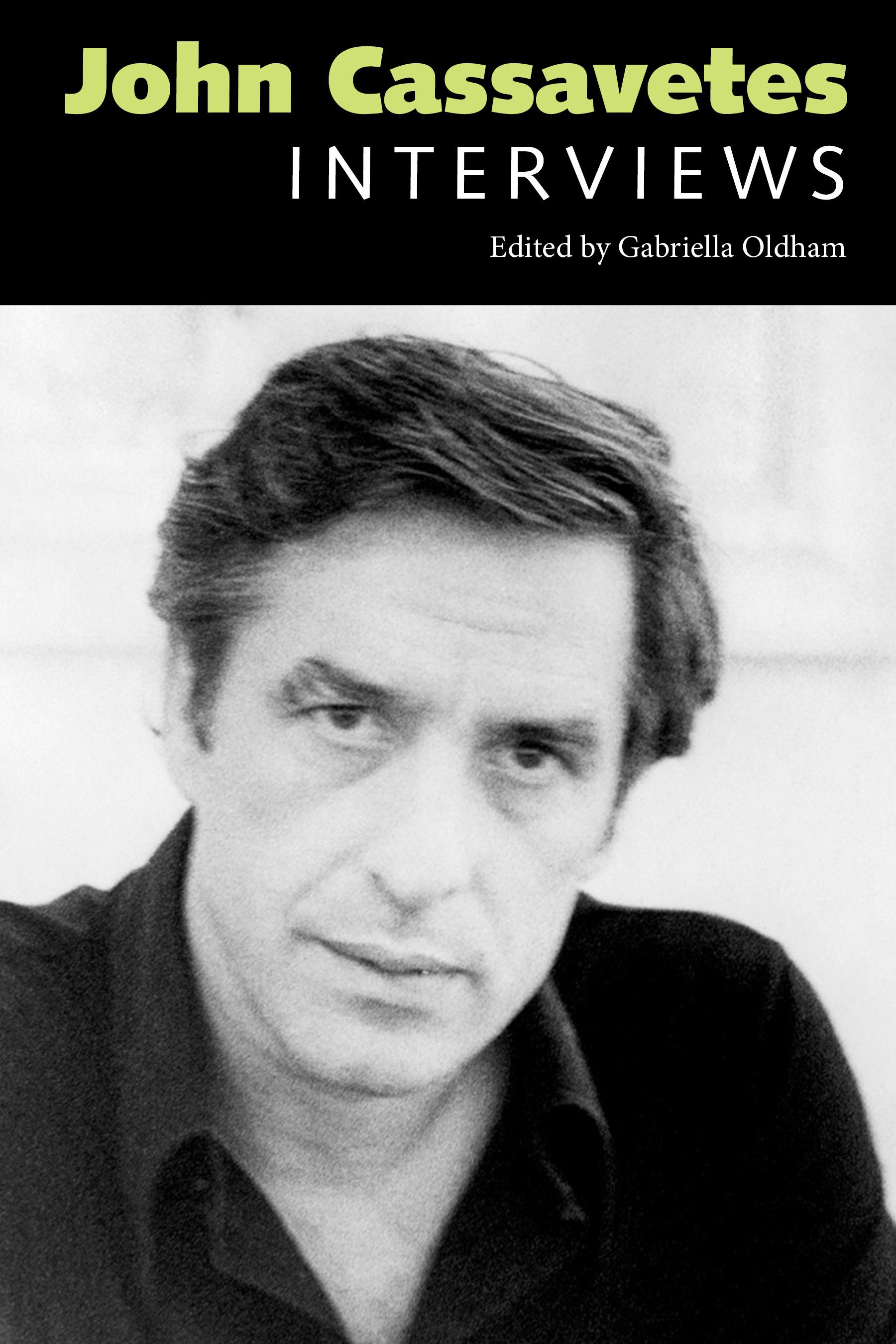
American filmmaker John Cassavetes (1929-1989) made only nine independent films during a quarter century, but those films affected the cinema culture of the 1960s to the 1980s in unprecedented ways. With a close nucleus of actors and crew members on his team, including his wife Gena Rowlands, Peter Falk, and Ben Gazzara, Cassavetes created films that explored the gritty side of human relationships. He staunchly advocated the right of actors and filmmakers to full artistic freedom over their work. Attracting both fervent admirers and harsh critics, Cassavetes's films have garnered prestigious awards in the US and Europe and continue to evoke strong reactions.
Starting in New York with his first film Shadows (1959), Cassavetes moved on to the West Coast with Faces (1968), Husbands (1970), Minnie and Moskowitz (1971), A Woman Under the Influence (1974), The Killing of a Chinese Bookie (1976), Opening Night (1977), Gloria (1980), and Love Streams (1984). He also directed several studio films, which often rankled his independent streak that rebelled against a loss of artistic freedom. Cassavetes's work in the theater and his performances in numerous television programs and films, including The Dirty Dozen (1967) and Rosemary's Baby (1968), made him, as a director, fiercely protective of his actors' right to self-expression.
Cassavetes's contributions to film as actor, writer, director, producer, and cinematographer at a time of radical changes in cinema history continue to inspire independent filmmakers to challenge creative restrictions and celebrate actors' artistic contributions. John Cassavetes: Interviews captures this "maverick" streak of an intensely personal filmmaker who was passionate about his art.
Starting in New York with his first film Shadows (1959), Cassavetes moved on to the West Coast with Faces (1968), Husbands (1970), Minnie and Moskowitz (1971), A Woman Under the Influence (1974), The Killing of a Chinese Bookie (1976), Opening Night (1977), Gloria (1980), and Love Streams (1984). He also directed several studio films, which often rankled his independent streak that rebelled against a loss of artistic freedom. Cassavetes's work in the theater and his performances in numerous television programs and films, including The Dirty Dozen (1967) and Rosemary's Baby (1968), made him, as a director, fiercely protective of his actors' right to self-expression.
Cassavetes's contributions to film as actor, writer, director, producer, and cinematographer at a time of radical changes in cinema history continue to inspire independent filmmakers to challenge creative restrictions and celebrate actors' artistic contributions. John Cassavetes: Interviews captures this "maverick" streak of an intensely personal filmmaker who was passionate about his art.
Zahle einfach mit Karte, Klarna, Apple Pay oder Google Pay. Nicht zufrieden? Du hast immer ein 14-tägiges Widerrufsrecht. Lies mehr in unseren AGB. Hast du Fragen, schreib uns eine E-Mail an hello@memmo.org.
Memmo macht das Lernen einfacher – wo auch immer du bist. Bei uns findest du deine Kursbücher und smarte Lerntools an einem Ort: Zusammenfassungen, Quizzes, Podcasts und Lernkarten. Und Ted, dein Lernbuddy, beantwortet alles, was du wissen möchtest. Über 50.000 Studierende lernen bereits hier – gemacht, damit du schneller lernst und weniger Stress hast.
Das könnte dir auch gefallen
Buch kaufen0