
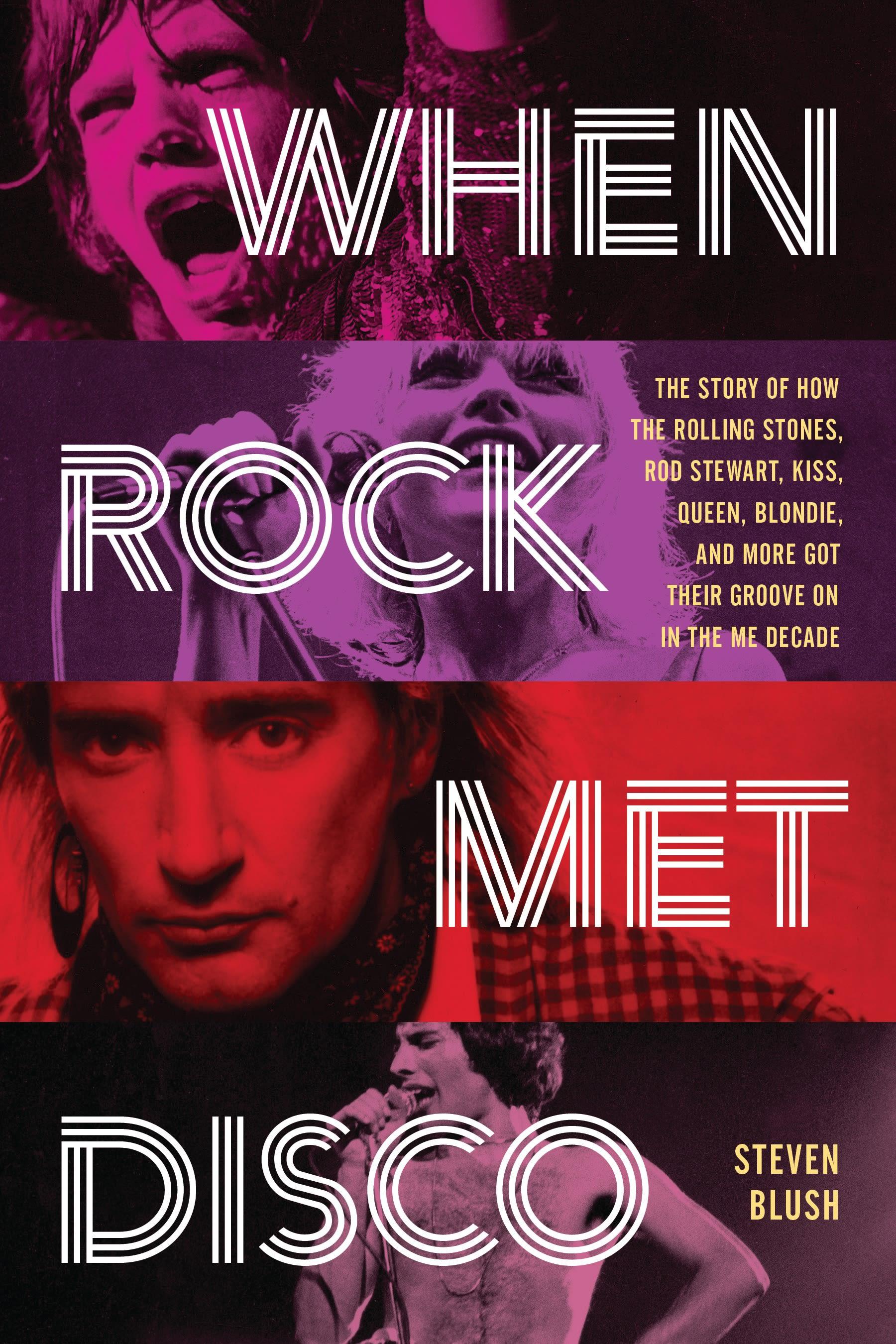
Disco began as a gay, black, and brown underground New York City party music scene, which alone was enough to ward off most rockers. The difference between rock and disco was as sociological as it was aesthetic.
At its best, disco was galvanizing and affirmative. Its hypnotic power to uplift a broad spectrum of the populace made it the ubiquitous music of the late '70s. Disco was a primal and gaudy fanfare for the apocalypse, a rage for exhibitionism, free of moralizing. Disco was an exclamatory musical passageway into the future.
1978 was the apex of the record industry. Rock music, commercially and artistically, had never been more successful. At the same time, disco was responsible for roughly 40% of the records on Billboard's Hot 100, thanks to the largest-selling soundtrack of all time in Saturday Night Fever. The craze for this music by The Bee Gees revived The Hustle and dance studios across America.
For all its apparent excesses and ritual zealotry, disco was a conservative realm, with obsolete rules like formal dress code and dance floor etiquette. When most '70s artists "went disco," it was the relatively few daring rockers who had the most impact, bringing their intensity and personality to a faceless phenomenon.
Rock stars who "went disco" crossed a musical rubicon and forever smashed cultural conformity. The ongoing dance-rock phenomenon demonstrates the impact of this unique place and time.
The disco crossover forever changed rock.
At its best, disco was galvanizing and affirmative. Its hypnotic power to uplift a broad spectrum of the populace made it the ubiquitous music of the late '70s. Disco was a primal and gaudy fanfare for the apocalypse, a rage for exhibitionism, free of moralizing. Disco was an exclamatory musical passageway into the future.
1978 was the apex of the record industry. Rock music, commercially and artistically, had never been more successful. At the same time, disco was responsible for roughly 40% of the records on Billboard's Hot 100, thanks to the largest-selling soundtrack of all time in Saturday Night Fever. The craze for this music by The Bee Gees revived The Hustle and dance studios across America.
For all its apparent excesses and ritual zealotry, disco was a conservative realm, with obsolete rules like formal dress code and dance floor etiquette. When most '70s artists "went disco," it was the relatively few daring rockers who had the most impact, bringing their intensity and personality to a faceless phenomenon.
Rock stars who "went disco" crossed a musical rubicon and forever smashed cultural conformity. The ongoing dance-rock phenomenon demonstrates the impact of this unique place and time.
The disco crossover forever changed rock.
Zahle einfach mit Karte, Klarna, Apple Pay oder Google Pay. Nicht zufrieden? Du hast immer ein 14-tägiges Widerrufsrecht. Lies mehr in unseren AGB. Hast du Fragen, schreib uns eine E-Mail an hello@memmo.org.
Memmo macht das Lernen einfacher – wo auch immer du bist. Bei uns findest du deine Kursbücher und smarte Lerntools an einem Ort: Zusammenfassungen, Quizzes, Podcasts und Lernkarten. Und Ted, dein Lernbuddy, beantwortet alles, was du wissen möchtest. Über 50.000 Studierende lernen bereits hier – gemacht, damit du schneller lernst und weniger Stress hast.