
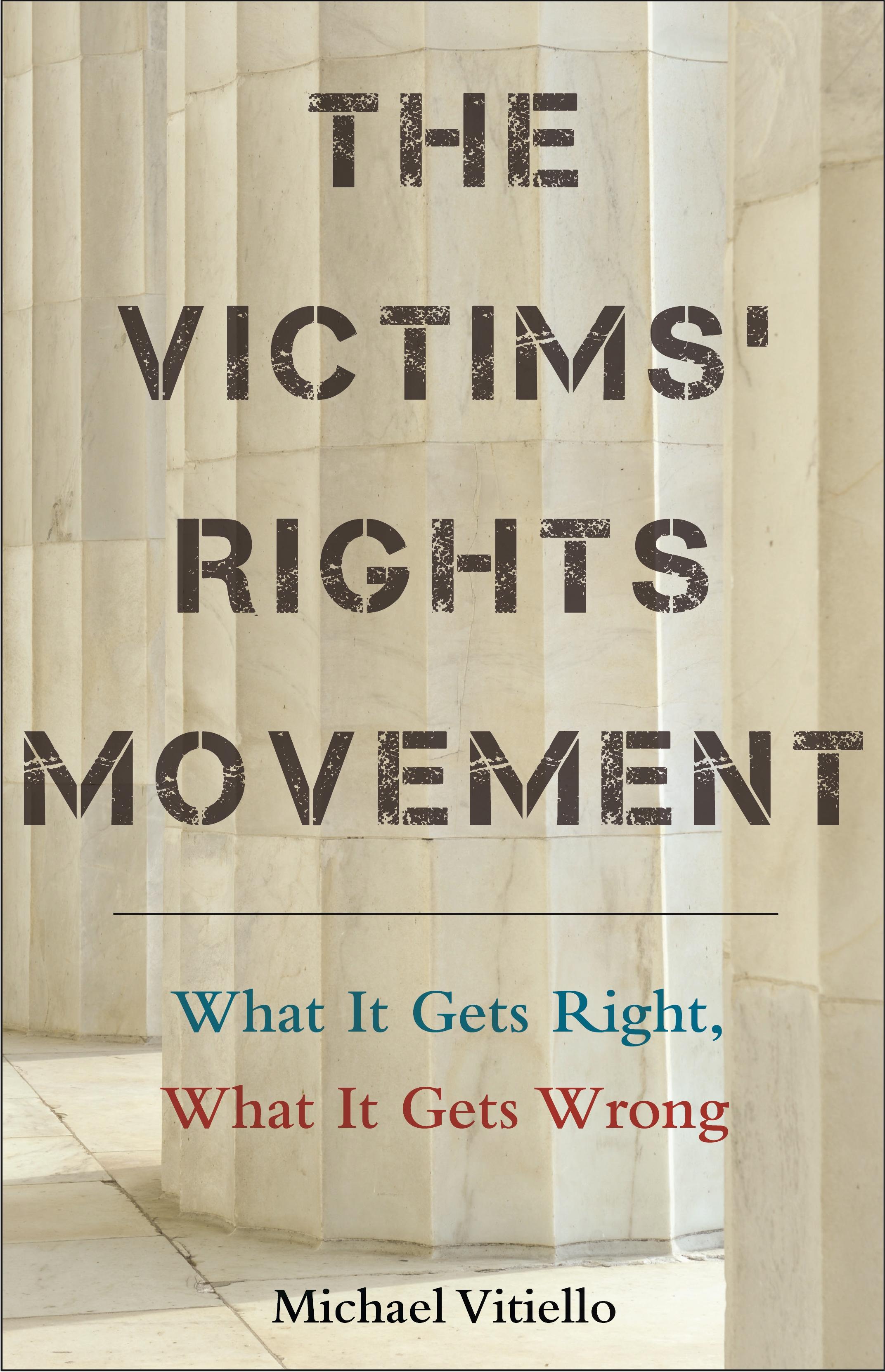
Outlines the successes and failures of the movement to support survivors of violence
The Victims’ Rights Movement (VRM) has been one of the most meaningful criminal justice reforms in the United States. Every state and the federal government has adopted major VRM laws to enact protections for victims and increase criminal sanctions, and the movement has received support from politicians of all backgrounds. Despite recognition of its excesses, the movement remains an important force in the criminal justice arena.
The Victims' Rights Movement offers a measured overview of the successes and the failures of the VRM. Among its widely acknowledged accomplishments are expanded resources to help victims deal with trauma, greater sensitivity to sexual assault victims in many jurisdictions, and increased chances of victims receiving restitution from perpetrators of harm. Conversely, the movement has led to excessive punishment for many defendants and destruction of defendants’ families. It has exacerbated racial inequality in the imposition of the death penalty and criminal sentencing generally, and falsely promises “closure” to crime victims and their families.
Michael Vitiello considers whether the VRM serves those injured by crime well by focusing on “victimhood.” He urges a reframing of the movement to fight for universal health care and limits on access to weapons—two policies that would reduce the number of victims and help those who do become victims of crime.
Zahle einfach mit Karte, Klarna, Apple Pay oder Google Pay. Nicht zufrieden? Du hast immer ein 14-tägiges Widerrufsrecht. Lies mehr in unseren AGB. Hast du Fragen, schreib uns eine E-Mail an hello@memmo.org.
Memmo macht das Lernen einfacher – wo auch immer du bist. Bei uns findest du deine Kursbücher und smarte Lerntools an einem Ort: Zusammenfassungen, Quizzes, Podcasts und Lernkarten. Und Ted, dein Lernbuddy, beantwortet alles, was du wissen möchtest. Über 50.000 Studierende lernen bereits hier – gemacht, damit du schneller lernst und weniger Stress hast.