
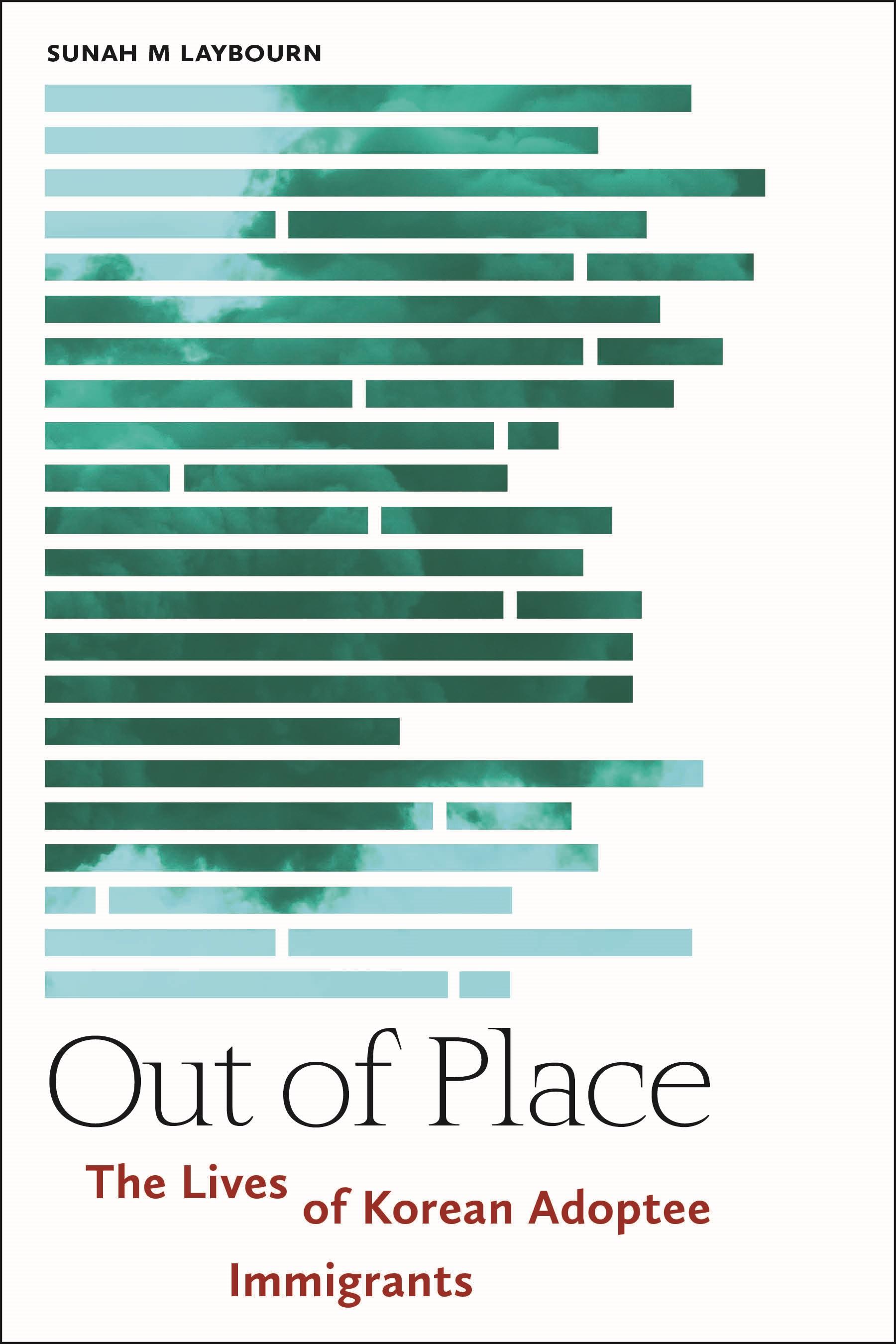
How Korean adoptees went from being adoptable orphans to deportable immigrants
Since the early 1950s, over 125,000 Korean children have been adopted in the United States, primarily by white families. Korean adoptees figure in twenty-five percent of US transnational adoptions and are the largest group of transracial adoptees currently in adulthood. Despite being legally adopted, Korean adoptees' position as family members did not automatically ensure legal, cultural, or social citizenship. Korean adoptees routinely experience refusals of belonging, whether by state agents, laws, and regulations, in everyday interactions, or even through media portrayals that render them invisible. In Out of Place, SunAh M Laybourn, herself a Korean American adoptee, examines this long-term journey, with a particular focus on the race-making process and the contradictions inherent to the model minority myth.
Drawing on in-depth interviews with Korean adoptee adults, online surveys, and participant observation at Korean adoptee events across the US and in Korea, Out of Place illustrates how Korean adoptees come to understand their racial positions, reconcile competing expectations of citizenship and racial and ethnic group membership, and actively work to redefine belonging both individually and collectively. In considering when and how Korean adoptees have been remade, rejected, and celebrated as exceptional citizens, Out of Place brings to the fore the features of the race-making process.
Zahle einfach mit Karte, Klarna, Apple Pay oder Google Pay. Nicht zufrieden? Du hast immer ein 14-tägiges Widerrufsrecht. Lies mehr in unseren AGB. Hast du Fragen, schreib uns eine E-Mail an hello@memmo.org.
Memmo macht das Lernen einfacher – wo auch immer du bist. Bei uns findest du deine Kursbücher und smarte Lerntools an einem Ort: Zusammenfassungen, Quizzes, Podcasts und Lernkarten. Und Ted, dein Lernbuddy, beantwortet alles, was du wissen möchtest. Über 50.000 Studierende lernen bereits hier – gemacht, damit du schneller lernst und weniger Stress hast.