
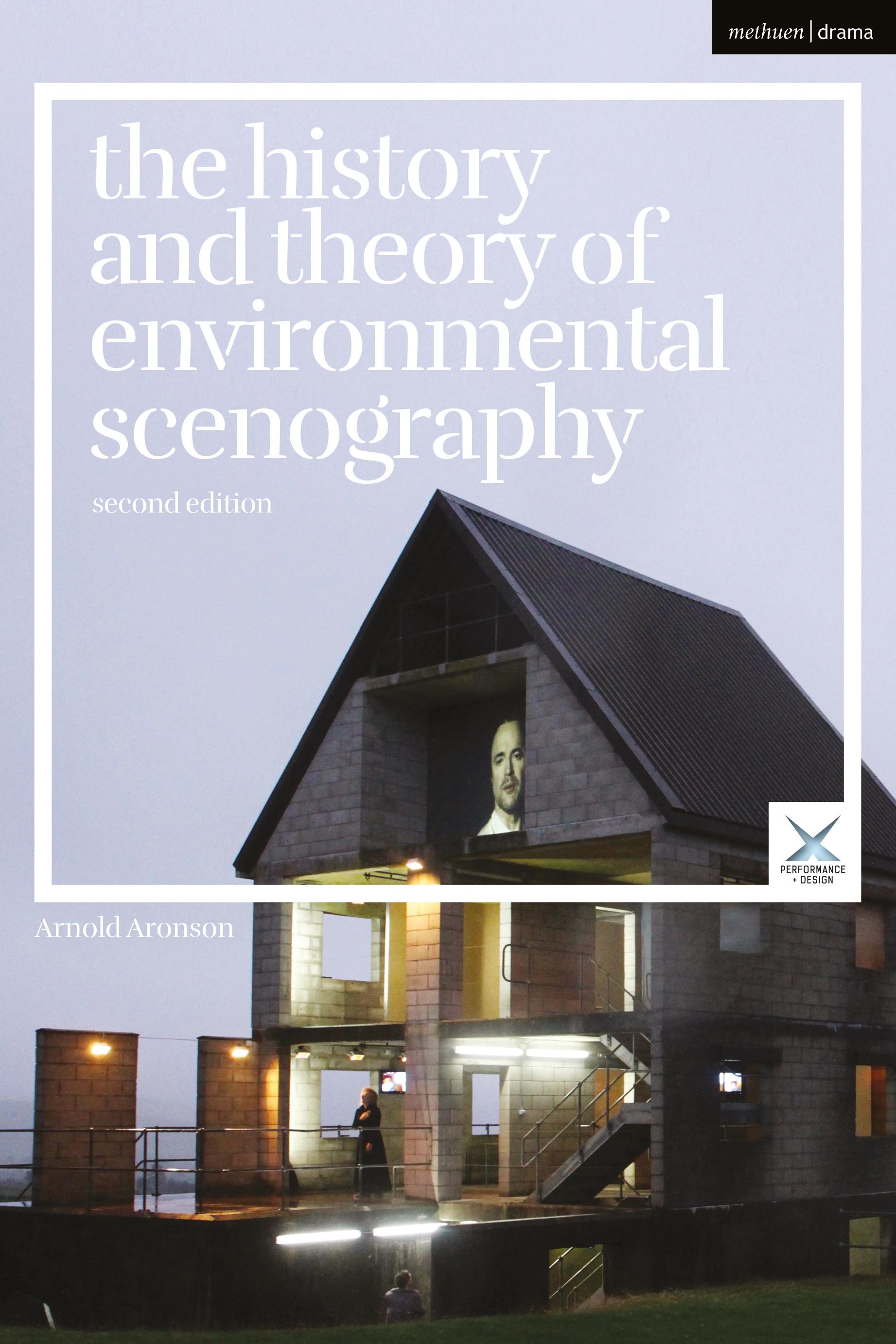
A classic work of theatre history and criticism when first published, Arnold Aronson's formative study surveyed the phenomenon known as environmental theatre. Now updated in this richly illustrated second edition to reflect developments and practice since the 1980s, it offers readers a comprehensive study of the theatre practice which has evolved to become the dominant mode of much contemporary innovative performance.
For most audiences, particularly in the Western tradition, theatre means going to a building in which seats face a stage on which actors perform a play. But there has always been a vital alternative that came to be known as environmental theatre. Whether in folk performances, street theatre, avant-garde performance, utopian architecture, Happenings, mass spectacles, or contemporary immersive theatre, the relationship of the spectator to the performance has been one in which the audience is surrounded or immersed in a shared space, in which the multiple events may be happening simultaneously, and in which the experience of theatrical space is visceral and often kinetic. This book examines the history of this phenomenon and looks at a range of contemporary practice.
New chapters examine how the 'transformed spaces' of earlier work have become the interactive and immersive productions that characterize the work of companies such as Punchdrunk, dreamthinkspeak, Teatro da Vertigem, En Garde Arts, and The Industry, among others. Updated to take account of the burgeoning scholarship on the subject, The History and Theory of Environmental Scenography remains the authoritative account that illuminates present day theatre practice and its antecedents.
For most audiences, particularly in the Western tradition, theatre means going to a building in which seats face a stage on which actors perform a play. But there has always been a vital alternative that came to be known as environmental theatre. Whether in folk performances, street theatre, avant-garde performance, utopian architecture, Happenings, mass spectacles, or contemporary immersive theatre, the relationship of the spectator to the performance has been one in which the audience is surrounded or immersed in a shared space, in which the multiple events may be happening simultaneously, and in which the experience of theatrical space is visceral and often kinetic. This book examines the history of this phenomenon and looks at a range of contemporary practice.
New chapters examine how the 'transformed spaces' of earlier work have become the interactive and immersive productions that characterize the work of companies such as Punchdrunk, dreamthinkspeak, Teatro da Vertigem, En Garde Arts, and The Industry, among others. Updated to take account of the burgeoning scholarship on the subject, The History and Theory of Environmental Scenography remains the authoritative account that illuminates present day theatre practice and its antecedents.
Seiten: 272
Kategorie: Drama, Teater & Scenkonst
e-ISBN: 9781474283984
Versandgewicht: 1.2 kg
Versand in: 1-2 Tage
Zahle einfach mit Karte, Klarna, Apple Pay oder Google Pay. Nicht zufrieden? Du hast immer ein 14-tägiges Widerrufsrecht. Lies mehr in unseren AGB. Hast du Fragen, schreib uns eine E-Mail an hello@memmo.org.
Memmo macht das Lernen einfacher – wo auch immer du bist. Bei uns findest du deine Kursbücher und smarte Lerntools an einem Ort: Zusammenfassungen, Quizzes, Podcasts und Lernkarten. Und Ted, dein Lernbuddy, beantwortet alles, was du wissen möchtest. Über 50.000 Studierende lernen bereits hier – gemacht, damit du schneller lernst und weniger Stress hast.