
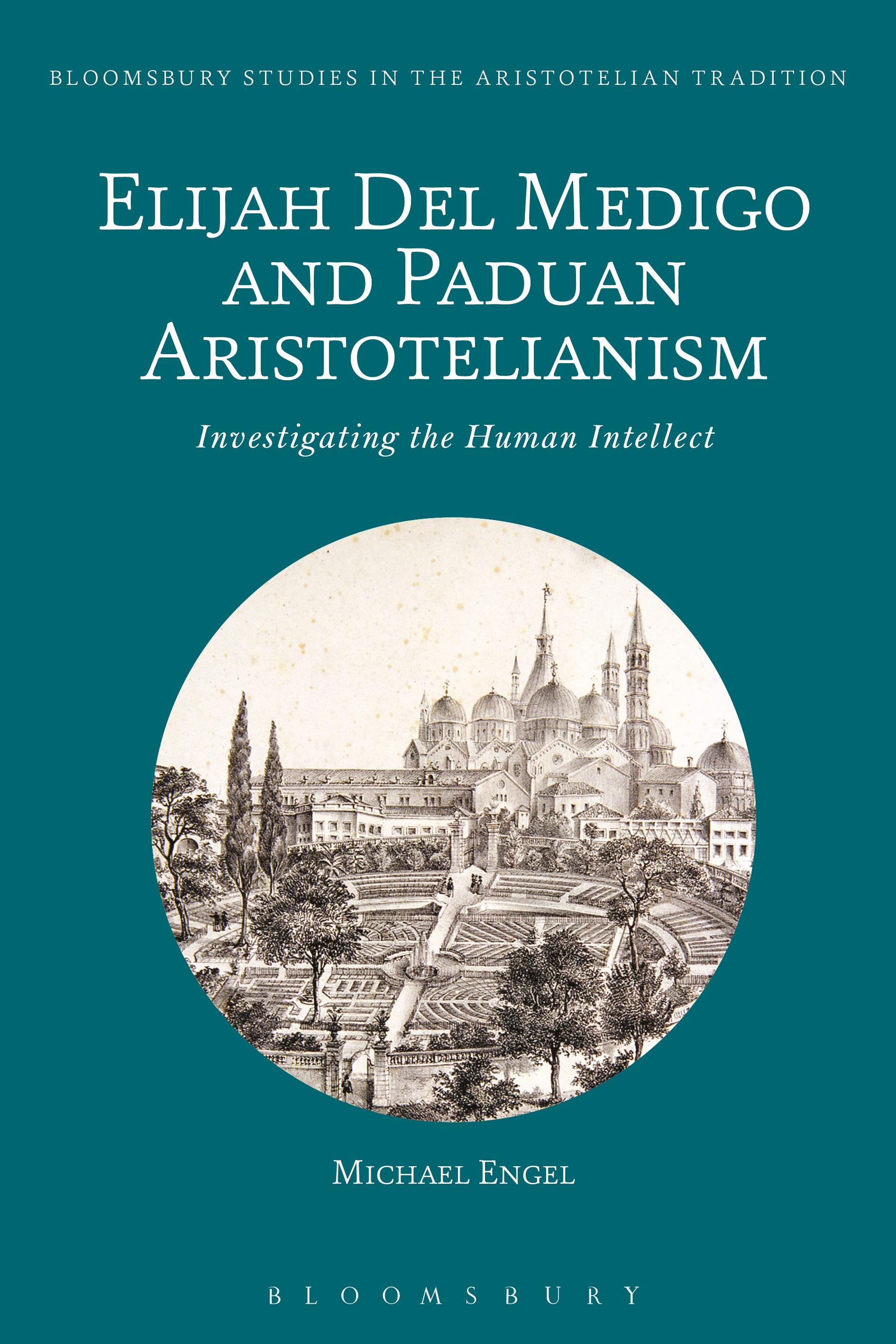
Elijah Del Medigo (1458-1493) was a Jewish Aristotelian philosopher living in Padua, whose work influenced many of the leading philosophers of the early Renaissance. His Two Investigations on the Nature of the Human Soul uses Aristotle's De anima to theorize on two of the most discussed and most controversial philosophical debates of the Renaissance: the nature of human intellect and the obtaining of immortality through intellectual perfection.
In this book, Michael Engel places Del Medigo's philosophical work and his ideas about the human intellect within the context of the wider Aristotelian tradition. Providing a detailed account of the unique blend of Hebrew, Islamic, Latin and Greek traditions that influenced the Two Investigations, Elijah Del Medigo and Paduan Aristotelianism provides an important contribution to our understanding of Renaissance Aristotelianisms and scholasticisms. In particular, through his defense of the Muslim philosopher Averroes' hotly debated interpretation of the De anima and his rejection of the moderate Latin Aristotelianism championed by the Christian Thomas Aquinas, Engel traces how Del Medigo's work on the human intellect contributed to the development of a major Aristotelian controversy.
Investigating the ways in which multicultural Aristotelian sources contributed to his own theory of a united human intellect, Elijah Del Medigo and Paduan Aristotelianism demonstrates the significant impact made by this Jewish philosopher on the history of the Aristotelian tradition.
In this book, Michael Engel places Del Medigo's philosophical work and his ideas about the human intellect within the context of the wider Aristotelian tradition. Providing a detailed account of the unique blend of Hebrew, Islamic, Latin and Greek traditions that influenced the Two Investigations, Elijah Del Medigo and Paduan Aristotelianism provides an important contribution to our understanding of Renaissance Aristotelianisms and scholasticisms. In particular, through his defense of the Muslim philosopher Averroes' hotly debated interpretation of the De anima and his rejection of the moderate Latin Aristotelianism championed by the Christian Thomas Aquinas, Engel traces how Del Medigo's work on the human intellect contributed to the development of a major Aristotelian controversy.
Investigating the ways in which multicultural Aristotelian sources contributed to his own theory of a united human intellect, Elijah Del Medigo and Paduan Aristotelianism demonstrates the significant impact made by this Jewish philosopher on the history of the Aristotelian tradition.
Zahle einfach mit Karte, Klarna, Apple Pay oder Google Pay. Nicht zufrieden? Du hast immer ein 14-tägiges Widerrufsrecht. Lies mehr in unseren AGB. Hast du Fragen, schreib uns eine E-Mail an hello@memmo.org.
Memmo macht das Lernen einfacher – wo auch immer du bist. Bei uns findest du deine Kursbücher und smarte Lerntools an einem Ort: Zusammenfassungen, Quizzes, Podcasts und Lernkarten. Und Ted, dein Lernbuddy, beantwortet alles, was du wissen möchtest. Über 50.000 Studierende lernen bereits hier – gemacht, damit du schneller lernst und weniger Stress hast.