
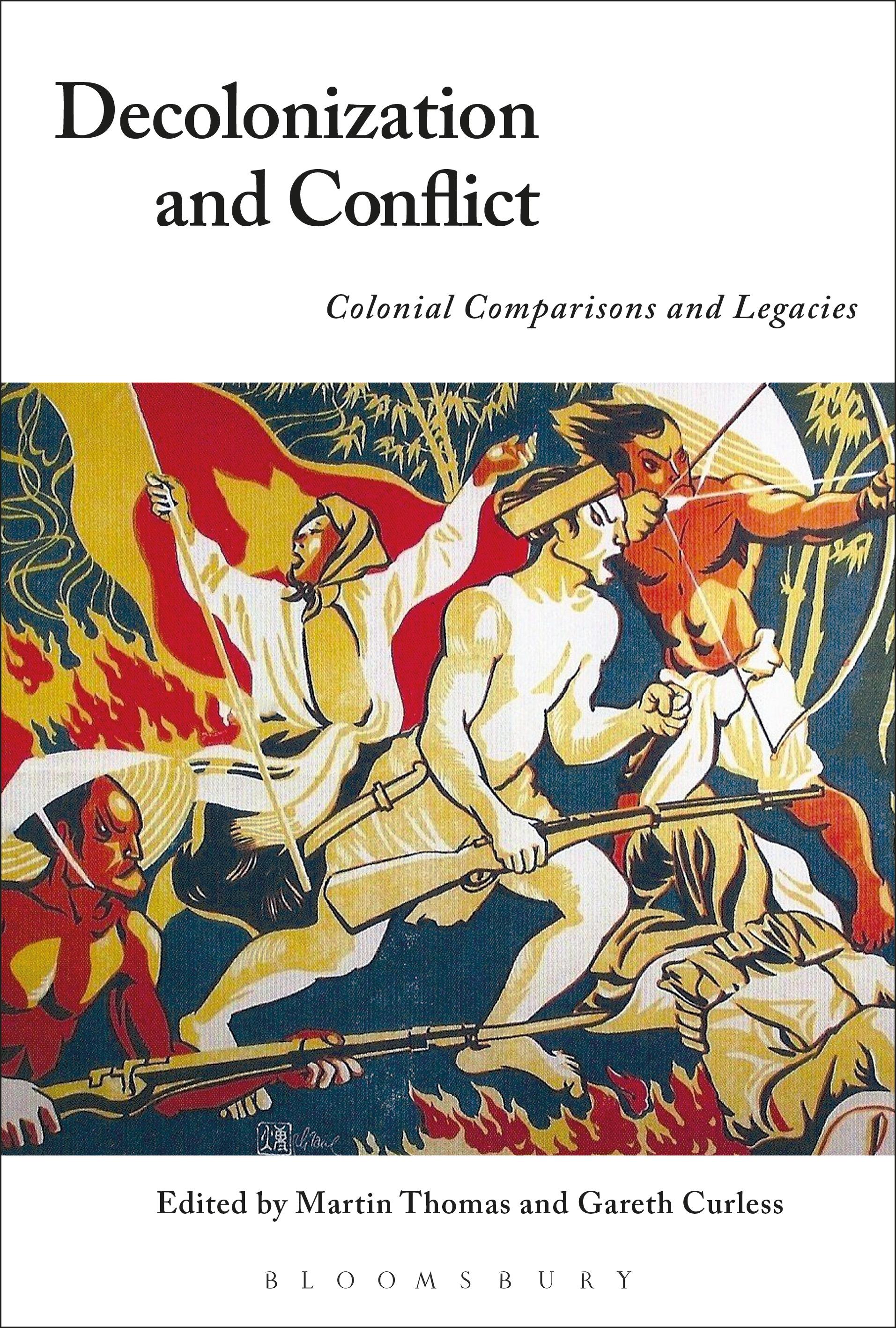
Insurgency-based irregular warfare typifies armed conflict in the post-Cold War age. For some years now, western and other governments have struggled to contend with ideologically driven guerrilla movements, religiously inspired militias, and systematic targeting of civilian populations. Numerous conflicts of this type are rooted in experiences of empire breakdown. Yet few multi-empire studies of decolonisation's violence exist. Decolonization and Conflict brings together expertise on a variety of different cases to offer new perspectives on the colonial conflicts that engulfed Europe's empires after 1945.
The contributors analyse multiple forms of colonial counter-insurgency from the military engagement of anti-colonial movements to the forced removal of civilian populations and the application of new doctrines of psychological warfare. Contributors to the collection also show how insurgencies, their propaganda and methods of action were inherently transnational and inter-connected. The resulting study is a vital contribution to our understanding of contested decolonization. It emphasises the global connections at work and reveals the contemporary resonances of both anti-colonial insurgencies and the means devised to counter them. It is essential reading for students and scholars of empire, decolonization, and asymmetric warfare.
The contributors analyse multiple forms of colonial counter-insurgency from the military engagement of anti-colonial movements to the forced removal of civilian populations and the application of new doctrines of psychological warfare. Contributors to the collection also show how insurgencies, their propaganda and methods of action were inherently transnational and inter-connected. The resulting study is a vital contribution to our understanding of contested decolonization. It emphasises the global connections at work and reveals the contemporary resonances of both anti-colonial insurgencies and the means devised to counter them. It is essential reading for students and scholars of empire, decolonization, and asymmetric warfare.
Zahle einfach mit Karte, Klarna, Apple Pay oder Google Pay. Nicht zufrieden? Du hast immer ein 14-tägiges Widerrufsrecht. Lies mehr in unseren AGB. Hast du Fragen, schreib uns eine E-Mail an hello@memmo.org.
Memmo macht das Lernen einfacher – wo auch immer du bist. Bei uns findest du deine Kursbücher und smarte Lerntools an einem Ort: Zusammenfassungen, Quizzes, Podcasts und Lernkarten. Und Ted, dein Lernbuddy, beantwortet alles, was du wissen möchtest. Über 50.000 Studierende lernen bereits hier – gemacht, damit du schneller lernst und weniger Stress hast.