
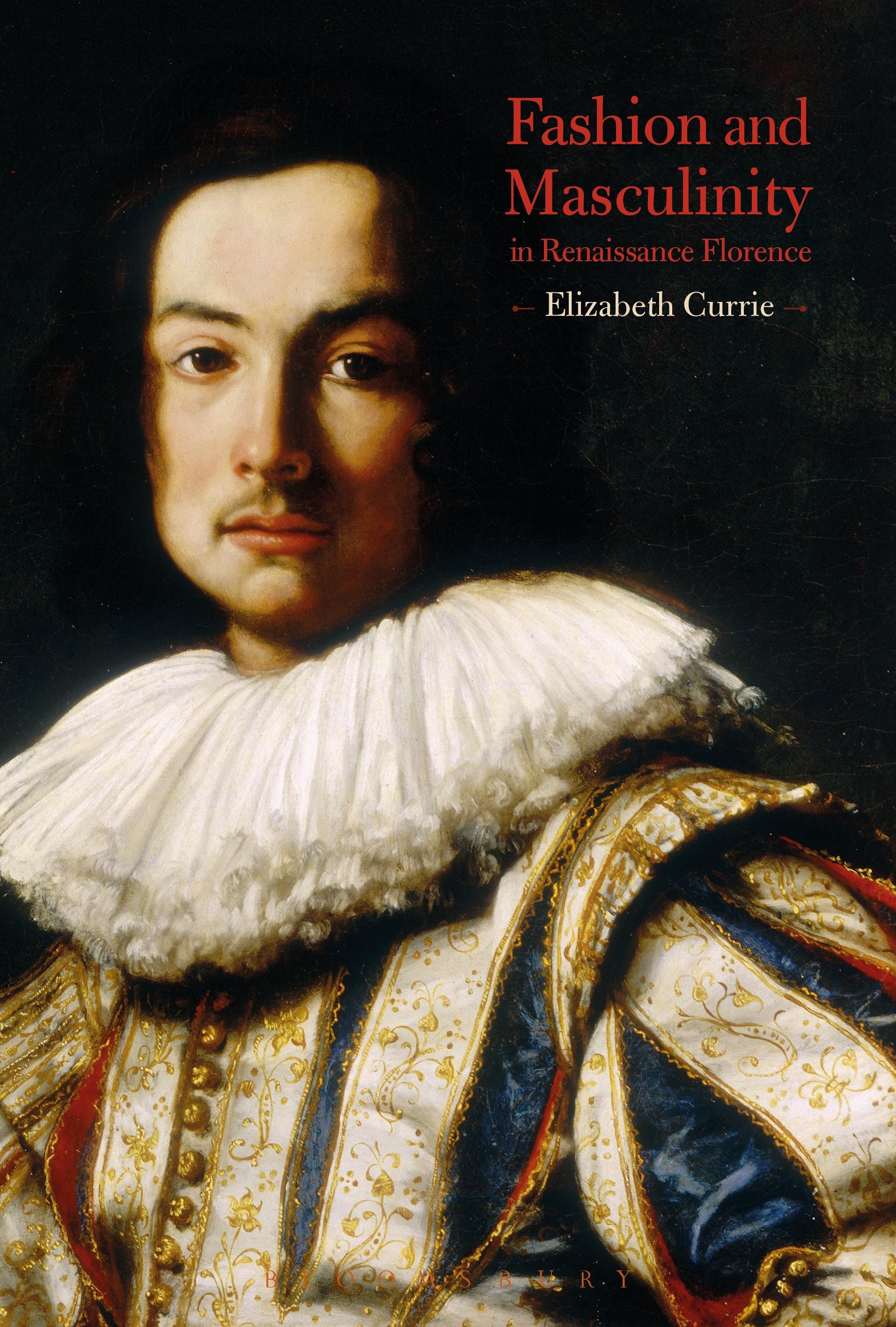
Dress became a testing ground for masculine ideals in Renaissance Italy. With the establishment of the ducal regime in Florence in 1530, there was increasing debate about how to be a nobleman. Was fashionable clothing a sign of magnificence or a source of mockery? Was the graceful courtier virile or effeminate? How could a man dress for court without bankrupting himself? This book explores the whole story of clothing, from the tailor's workshop to spectacular court festivities, to show how the male nobility in one of Italy's main textile production centers used their appearances to project social, sexual, and professional identities.
Sixteenth-century male fashion is often associated with swagger and ostentation but this book shows that Florentine clothing reflected manhood at a much deeper level, communicating a very Italian spectrum of male virtues and vices, from honor, courage, and restraint to luxury and excess. Situating dress at the heart of identity formation, Currie traces these codes through an array of sources, including unpublished archival records, surviving garments, portraiture, poetry, and personal correspondence between the Medici and their courtiers.
Addressing important themes such as gender, politics, and consumption, Fashion and Masculinity in Renaissance Florence sheds fresh light on the sartorial culture of the Florentine court and Italy as a whole.
Sixteenth-century male fashion is often associated with swagger and ostentation but this book shows that Florentine clothing reflected manhood at a much deeper level, communicating a very Italian spectrum of male virtues and vices, from honor, courage, and restraint to luxury and excess. Situating dress at the heart of identity formation, Currie traces these codes through an array of sources, including unpublished archival records, surviving garments, portraiture, poetry, and personal correspondence between the Medici and their courtiers.
Addressing important themes such as gender, politics, and consumption, Fashion and Masculinity in Renaissance Florence sheds fresh light on the sartorial culture of the Florentine court and Italy as a whole.
Zahle einfach mit Karte, Klarna, Apple Pay oder Google Pay. Nicht zufrieden? Du hast immer ein 14-tägiges Widerrufsrecht. Lies mehr in unseren AGB. Hast du Fragen, schreib uns eine E-Mail an hello@memmo.org.
Memmo macht das Lernen einfacher – wo auch immer du bist. Bei uns findest du deine Kursbücher und smarte Lerntools an einem Ort: Zusammenfassungen, Quizzes, Podcasts und Lernkarten. Und Ted, dein Lernbuddy, beantwortet alles, was du wissen möchtest. Über 50.000 Studierende lernen bereits hier – gemacht, damit du schneller lernst und weniger Stress hast.