
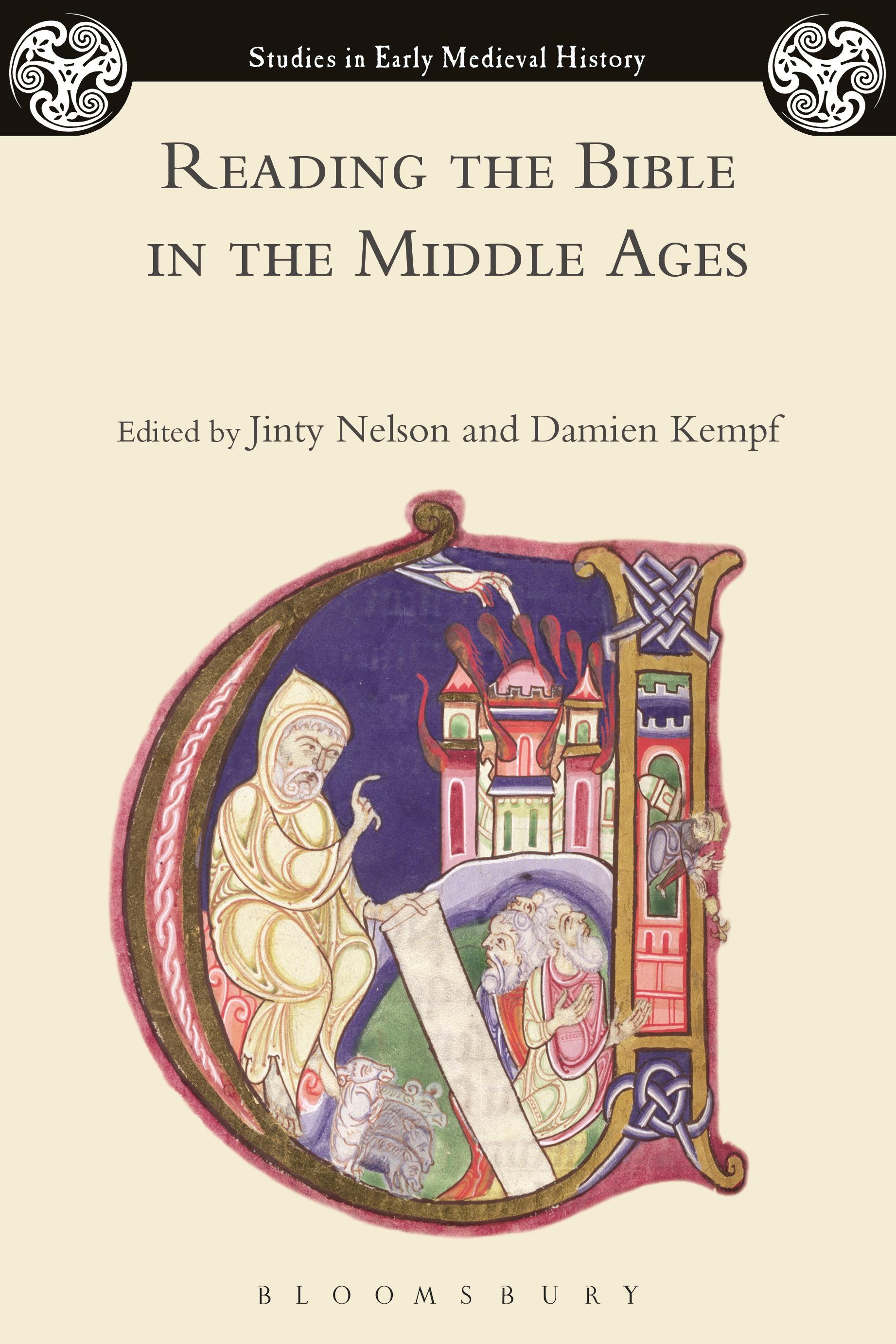
For earlier medieval Christians, the Bible was the book of guidance above all others, and the route to religious knowledge, used for all kinds of practical purposes, from divination to models of government in kingdom or household. This book's focus is on how medieval people accessed Scripture by reading, but also by hearing and memorizing sound-bites from the liturgy, chants and hymns, or sermons explicating Scripture in various vernaculars. Time, place and social class determined access to these varied forms of Scripture. Throughout the earlier medieval period, the Psalms attracted most readers and searchers for meanings.
This book's contributors probe readers' motivations, intellectual resources and religious concerns. They ask for whom the readers wrote, where they expected their readers to be located and in what institutional, social and political environments they belonged; why writers chose to write about, or draw on, certain parts of the Bible rather than others, and what real-life contexts or conjunctures inspired them; why the Old Testament so often loomed so large, and how its law-books, its histories, its prophetic books and its poetry were made intelligible to readers, hearers and memorizers. This book's contributors, in raising so many questions, do justice to both uniqueness and diversity.
This book's contributors probe readers' motivations, intellectual resources and religious concerns. They ask for whom the readers wrote, where they expected their readers to be located and in what institutional, social and political environments they belonged; why writers chose to write about, or draw on, certain parts of the Bible rather than others, and what real-life contexts or conjunctures inspired them; why the Old Testament so often loomed so large, and how its law-books, its histories, its prophetic books and its poetry were made intelligible to readers, hearers and memorizers. This book's contributors, in raising so many questions, do justice to both uniqueness and diversity.
Zahle einfach mit Karte, Klarna, Apple Pay oder Google Pay. Nicht zufrieden? Du hast immer ein 14-tägiges Widerrufsrecht. Lies mehr in unseren AGB. Hast du Fragen, schreib uns eine E-Mail an hello@memmo.org.
Memmo macht das Lernen einfacher – wo auch immer du bist. Bei uns findest du deine Kursbücher und smarte Lerntools an einem Ort: Zusammenfassungen, Quizzes, Podcasts und Lernkarten. Und Ted, dein Lernbuddy, beantwortet alles, was du wissen möchtest. Über 50.000 Studierende lernen bereits hier – gemacht, damit du schneller lernst und weniger Stress hast.