
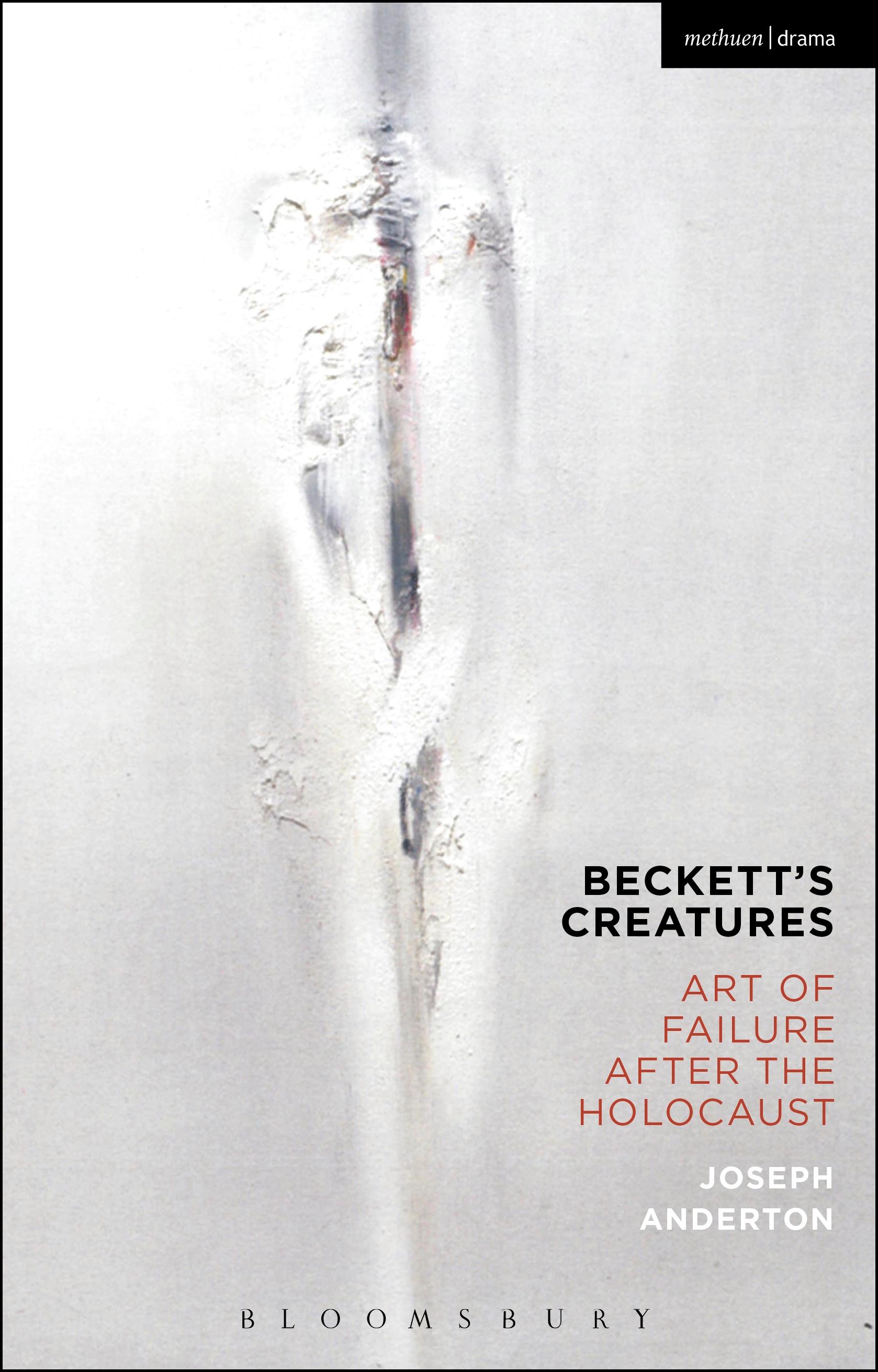
In the shadow of the Holocaust, Samuel Beckett captures humanity in ruins through his debased beings and a decomposing mode of writing that strives to 'fail better'. But what might it mean to be a 'creature' or 'creaturely' in Beckett's world? In the first full-length study of the concept of the creature in Beckett's prose and drama, this book traces the suspended lives and melancholic existences of Beckett's ignorant and impotent creatures to assess the extent to which political value marks the divide between human and inhuman.
Through close readings of Beckett's prose and drama, particularly texts from the middle period, including Molloy, Malone Dies, The Unnamable, Waiting for Godot and Endgame, Anderton explicates four arenas of creaturely life in Beckett. Each chapter attends to a particular theme – testimony, power, humour and survival – to analyse a range of pressures and impositions that precipitate the creaturely state of suspension.
Drawing on the writings of Adorno, Agamben, Benjamin, Deleuze and Derrida to explore the overlaps between artistic and political structures of creation, the creature emerges as an in-between figure that bespeaks the provisional nature of the human. The result is a provocative examination of the indirect relationship between art and history through Beckett's treatment of testimony, power, humour and survival, which each attest to the destabilisation of meaning after Auschwitz.
Through close readings of Beckett's prose and drama, particularly texts from the middle period, including Molloy, Malone Dies, The Unnamable, Waiting for Godot and Endgame, Anderton explicates four arenas of creaturely life in Beckett. Each chapter attends to a particular theme – testimony, power, humour and survival – to analyse a range of pressures and impositions that precipitate the creaturely state of suspension.
Drawing on the writings of Adorno, Agamben, Benjamin, Deleuze and Derrida to explore the overlaps between artistic and political structures of creation, the creature emerges as an in-between figure that bespeaks the provisional nature of the human. The result is a provocative examination of the indirect relationship between art and history through Beckett's treatment of testimony, power, humour and survival, which each attest to the destabilisation of meaning after Auschwitz.
Zahle einfach mit Karte, Klarna, Apple Pay oder Google Pay. Nicht zufrieden? Du hast immer ein 14-tägiges Widerrufsrecht. Lies mehr in unseren AGB. Hast du Fragen, schreib uns eine E-Mail an hello@memmo.org.
Memmo macht das Lernen einfacher – wo auch immer du bist. Bei uns findest du deine Kursbücher und smarte Lerntools an einem Ort: Zusammenfassungen, Quizzes, Podcasts und Lernkarten. Und Ted, dein Lernbuddy, beantwortet alles, was du wissen möchtest. Über 50.000 Studierende lernen bereits hier – gemacht, damit du schneller lernst und weniger Stress hast.