
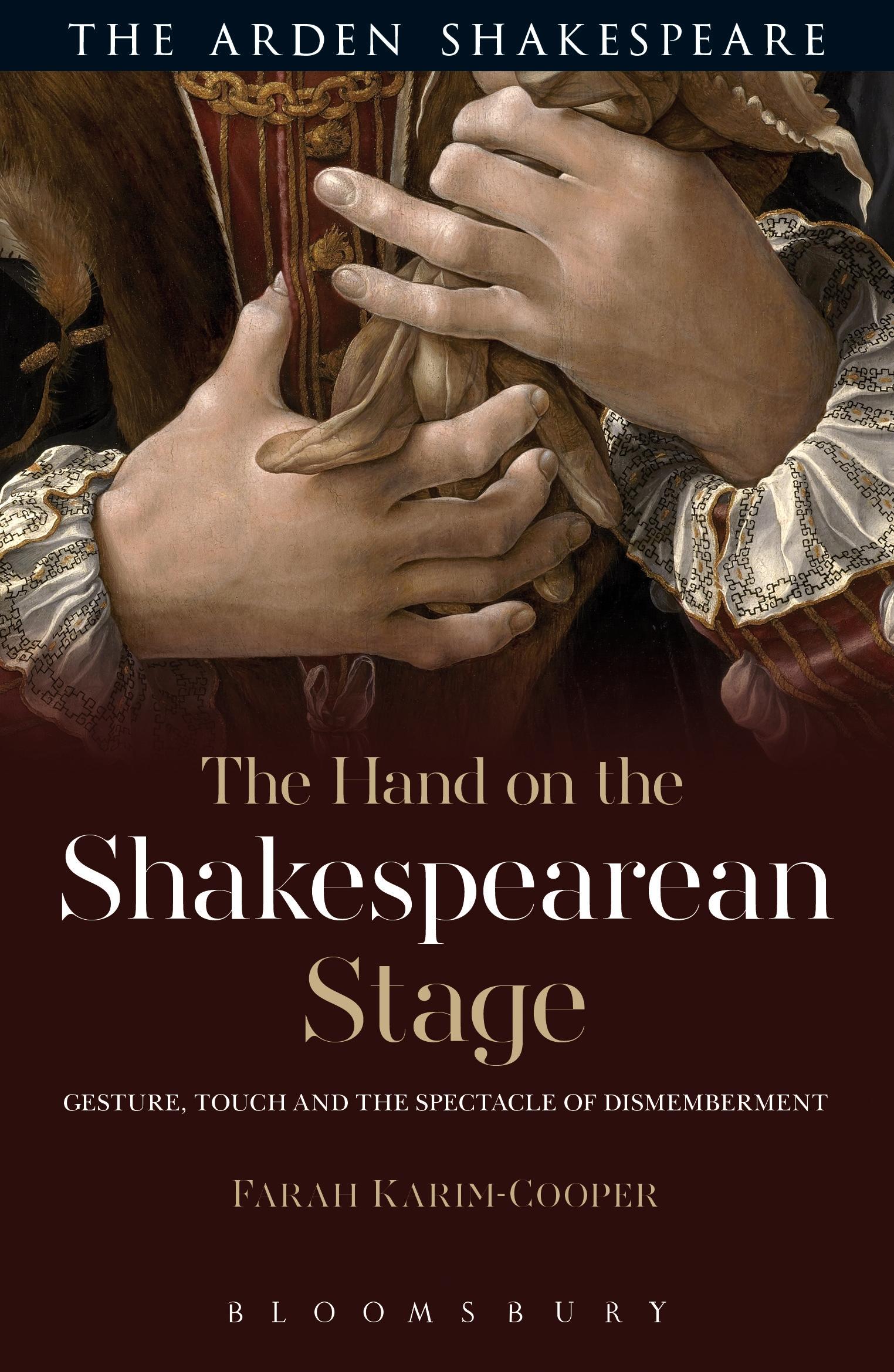
This ground-breaking new book uncovers the way Shakespeare draws upon the available literature and visual representations of the hand to inform his drama.
Providing an analysis of gesture, touch, skill and dismemberment in a range of Shakespeare's works, it shows how the hand was perceived in Shakespeare's time as an indicator of human agency, emotion, social and personal identity. It demonstrates how the hand and its activities are described and embedded in Shakespeare's texts and about its role on the Shakespearean stage: as part of the actor's body, in the language as metaphor, and as a morbid stage-prop. Understanding the cultural signifiers that lie behind the early modern understanding of the hand and gesture, opens up new and sometimes disturbing ways of reading and seeing Shakespeare's plays.
Providing an analysis of gesture, touch, skill and dismemberment in a range of Shakespeare's works, it shows how the hand was perceived in Shakespeare's time as an indicator of human agency, emotion, social and personal identity. It demonstrates how the hand and its activities are described and embedded in Shakespeare's texts and about its role on the Shakespearean stage: as part of the actor's body, in the language as metaphor, and as a morbid stage-prop. Understanding the cultural signifiers that lie behind the early modern understanding of the hand and gesture, opens up new and sometimes disturbing ways of reading and seeing Shakespeare's plays.
Zahle einfach mit Karte, Klarna, Apple Pay oder Google Pay. Nicht zufrieden? Du hast immer ein 14-tägiges Widerrufsrecht. Lies mehr in unseren AGB. Hast du Fragen, schreib uns eine E-Mail an hello@memmo.org.
Memmo macht das Lernen einfacher – wo auch immer du bist. Bei uns findest du deine Kursbücher und smarte Lerntools an einem Ort: Zusammenfassungen, Quizzes, Podcasts und Lernkarten. Und Ted, dein Lernbuddy, beantwortet alles, was du wissen möchtest. Über 50.000 Studierende lernen bereits hier – gemacht, damit du schneller lernst und weniger Stress hast.