
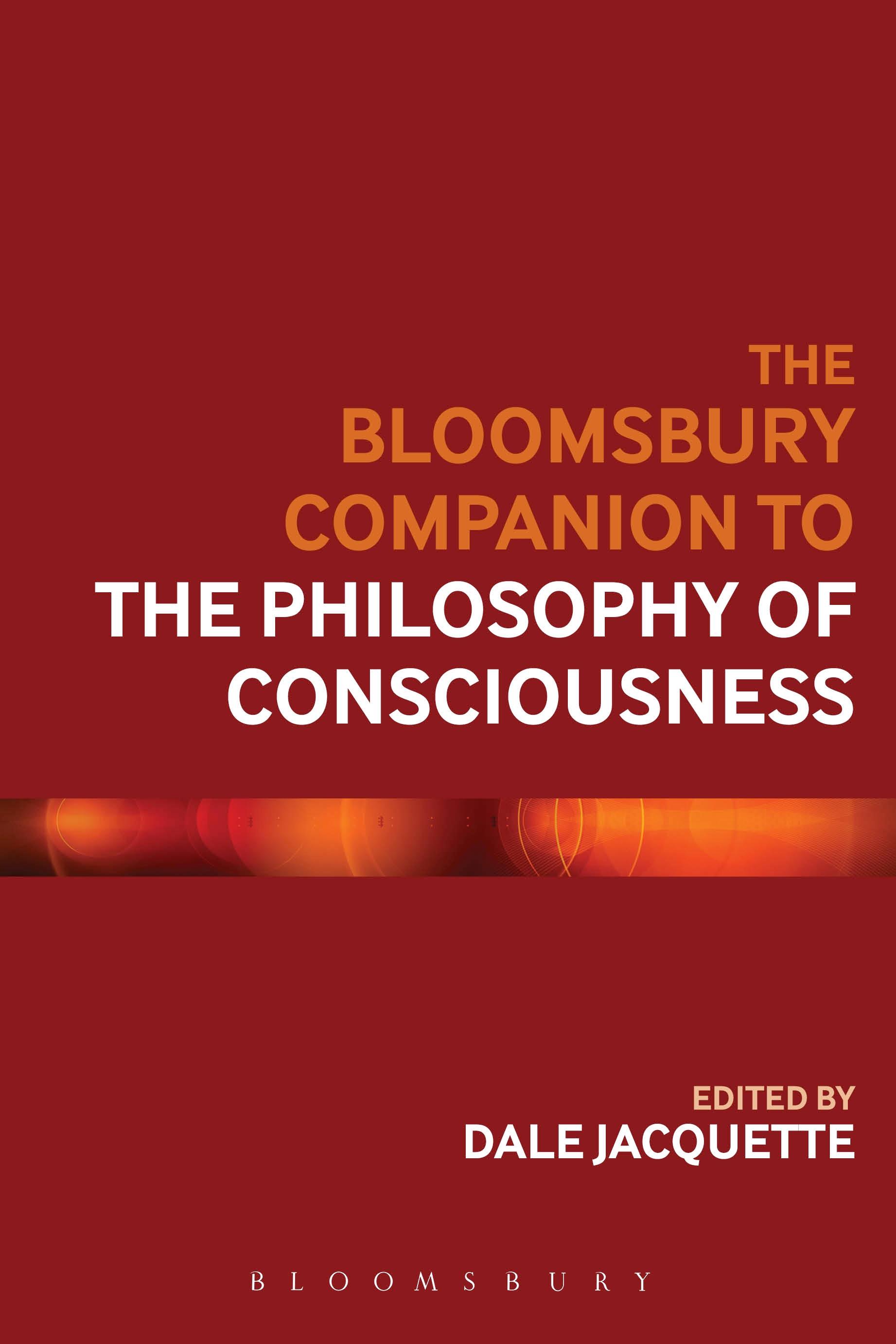
From Descartes and Cartesian mind-body dualism in the 17th century though to 21st-century concerns about artificial intelligence programming, The Bloomsbury Companion to the Philosophy of Consciousness presents a compelling history and up-to-date overview of this burgeoning subject area.
Acknowledging that many of the original concepts of consciousness studies are found in writings of past thinkers, it begins with introductory overviews to the thought of Descartes through to Kant, covering Brentano's restoration of empiricism to philosophical psychology and the major figures of the late 19th and early 20th centuries: Russell, Wittgenstein, Ryle and James. These opening chapters on the forces in the history of consciousness lay the groundwork needed to understand how influential contemporary thinkers in the philosophy of mind interpret the concept of consciousness.
Featuring leading figures in the field, Part II discusses current issues in a range of topics progressing from the so-called hard problem of understanding the nature of consciousness, to the methodology of invoking the possibility of philosophical zombies and the prospects of reductivism in philosophy of mind. Part III is dedicated to new research directions in the philosophy of consciousness, including chapters on experiment objections to functionalism and the scope and limits of artificial intelligence.
Equipped with practical research resources including an annotated bibliography, a research guide and a glossary, The Bloomsbury Companion to the Philosophy of Consciousness is an authoritative guide for studying the past, present and future of consciousness.
Acknowledging that many of the original concepts of consciousness studies are found in writings of past thinkers, it begins with introductory overviews to the thought of Descartes through to Kant, covering Brentano's restoration of empiricism to philosophical psychology and the major figures of the late 19th and early 20th centuries: Russell, Wittgenstein, Ryle and James. These opening chapters on the forces in the history of consciousness lay the groundwork needed to understand how influential contemporary thinkers in the philosophy of mind interpret the concept of consciousness.
Featuring leading figures in the field, Part II discusses current issues in a range of topics progressing from the so-called hard problem of understanding the nature of consciousness, to the methodology of invoking the possibility of philosophical zombies and the prospects of reductivism in philosophy of mind. Part III is dedicated to new research directions in the philosophy of consciousness, including chapters on experiment objections to functionalism and the scope and limits of artificial intelligence.
Equipped with practical research resources including an annotated bibliography, a research guide and a glossary, The Bloomsbury Companion to the Philosophy of Consciousness is an authoritative guide for studying the past, present and future of consciousness.
Zahle einfach mit Karte, Klarna, Apple Pay oder Google Pay. Nicht zufrieden? Du hast immer ein 14-tägiges Widerrufsrecht. Lies mehr in unseren AGB. Hast du Fragen, schreib uns eine E-Mail an hello@memmo.org.
Memmo macht das Lernen einfacher – wo auch immer du bist. Bei uns findest du deine Kursbücher und smarte Lerntools an einem Ort: Zusammenfassungen, Quizzes, Podcasts und Lernkarten. Und Ted, dein Lernbuddy, beantwortet alles, was du wissen möchtest. Über 50.000 Studierende lernen bereits hier – gemacht, damit du schneller lernst und weniger Stress hast.