
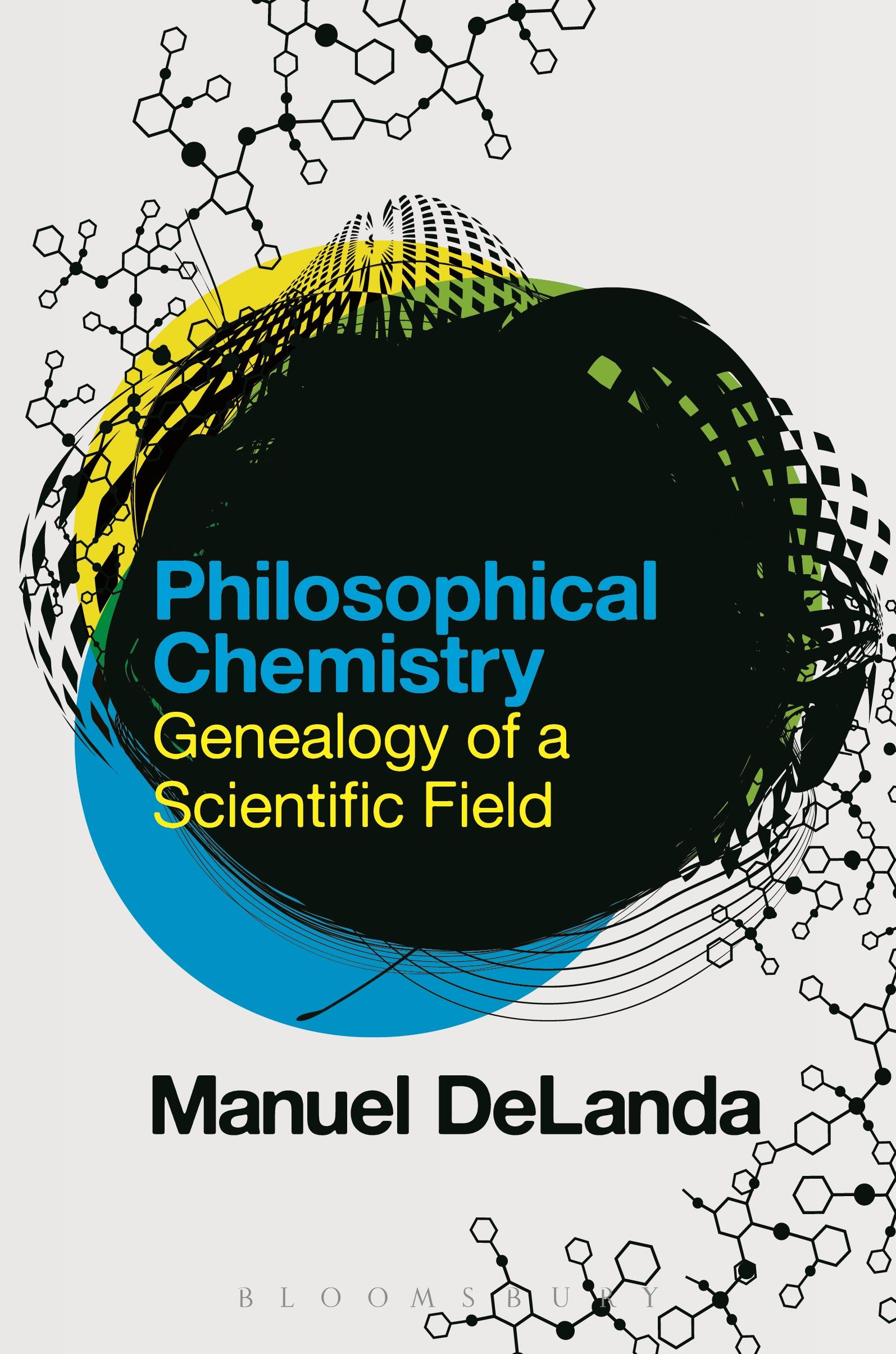
Philosophical Chemistry furthers Manuel DeLanda's revolutionary intervention in the philosophy of science and science studies. Against a monadic and totalizing understanding of science, DeLanda's historicizing investigation traces the centrality of divergence, specialization and hybridization through the fields and subfields of chemistry.
The strategy followed uses a series of chemical textbooks, separated from each other by fifty year periods (1750, 1800, 1850, and 1900), to follow the historical formation of consensus practices. The three chapters deal with one subfield of chemistry in the century in which it was developed: eighteenth-century inorganic chemistry, nineteenth-century organic chemistry, and nineteenth-century physical chemistry. This book creates a model of a scientific field capable of accommodating the variation and differentiation evident in the history of scientific practice. DeLanda proposes a model that is made of three components: a domain of phenomena, a community of practitioners, and a set of instruments and techniques connecting the community to the domain.
Philosophical Chemistry will be essential reading for those engaged in emergent, radical and contemporary strands of thought in the philosophy of science and for those scholars and students who strive to practice a productive dialogue between the two disciplines.
The strategy followed uses a series of chemical textbooks, separated from each other by fifty year periods (1750, 1800, 1850, and 1900), to follow the historical formation of consensus practices. The three chapters deal with one subfield of chemistry in the century in which it was developed: eighteenth-century inorganic chemistry, nineteenth-century organic chemistry, and nineteenth-century physical chemistry. This book creates a model of a scientific field capable of accommodating the variation and differentiation evident in the history of scientific practice. DeLanda proposes a model that is made of three components: a domain of phenomena, a community of practitioners, and a set of instruments and techniques connecting the community to the domain.
Philosophical Chemistry will be essential reading for those engaged in emergent, radical and contemporary strands of thought in the philosophy of science and for those scholars and students who strive to practice a productive dialogue between the two disciplines.
Zahle einfach mit Karte, Klarna, Apple Pay oder Google Pay. Nicht zufrieden? Du hast immer ein 14-tägiges Widerrufsrecht. Lies mehr in unseren AGB. Hast du Fragen, schreib uns eine E-Mail an hello@memmo.org.
Memmo macht das Lernen einfacher – wo auch immer du bist. Bei uns findest du deine Kursbücher und smarte Lerntools an einem Ort: Zusammenfassungen, Quizzes, Podcasts und Lernkarten. Und Ted, dein Lernbuddy, beantwortet alles, was du wissen möchtest. Über 50.000 Studierende lernen bereits hier – gemacht, damit du schneller lernst und weniger Stress hast.