
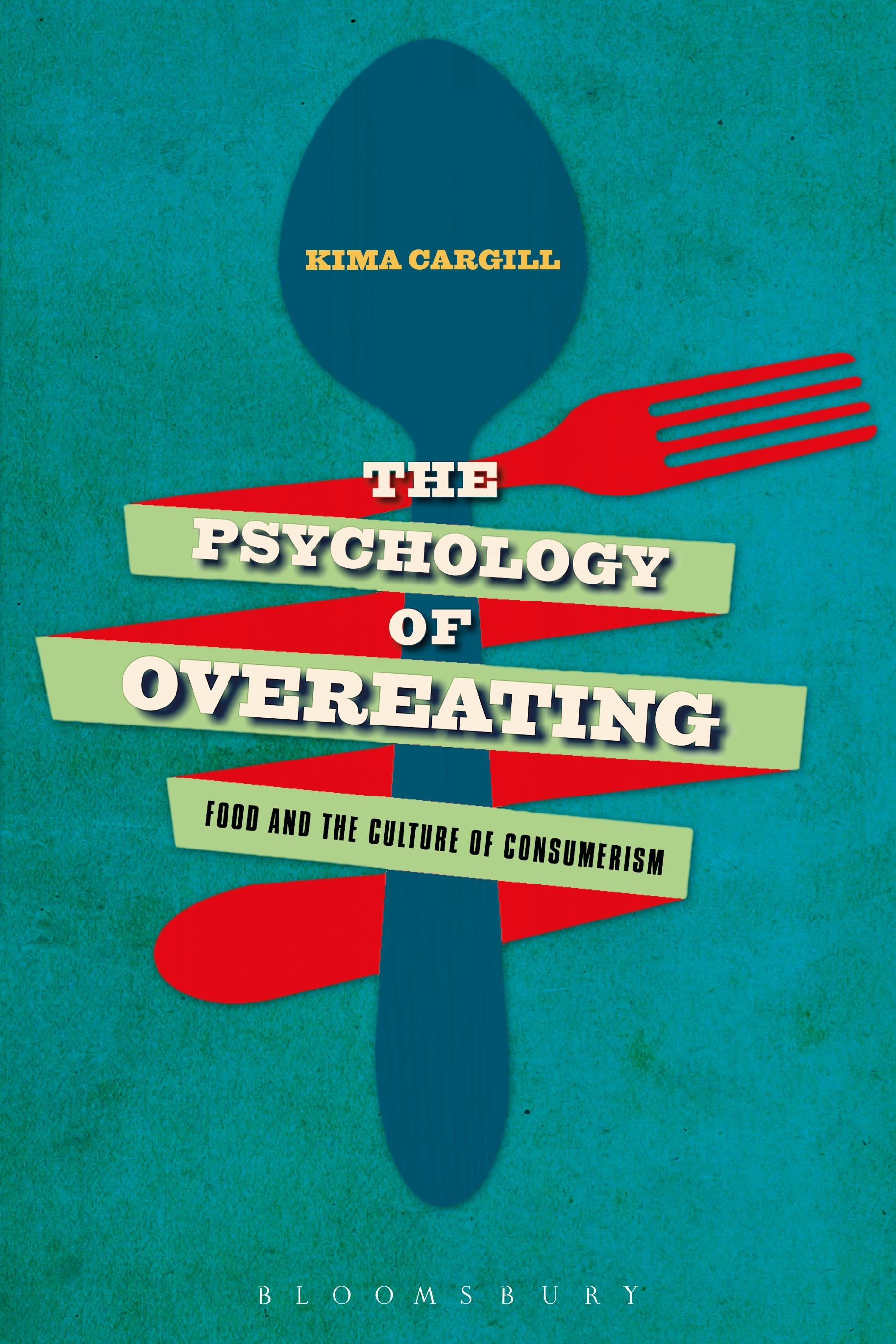
Drawing on empirical research, clinical case material and vivid examples from modern culture, The Psychology of Overeating demonstrates that overeating must be understood as part of the wider cultural problem of consumption and materialism. Highlighting modern society's pathological need to consume, Kima Cargill explores how our limitless consumer culture offers an endless array of delicious food as well as easy money whilst obscuring the long-term effects of overconsumption.
The book investigates how developments in food science, branding and marketing have transformed Western diets and how the food industry employs psychology to trick us into eating more and more – and why we let them. Drawing striking parallels between 'Big Food' and 'Big Pharma', Cargill shows how both industries use similar tactics to manufacture desire, resist regulation and convince us that the solution to overconsumption is further consumption. Real-life examples illustrate how loneliness, depression and lack of purpose help to drive consumption, and how this is attributed to individual failure rather than wider culture.
The first book to introduce a clinical and existential psychology perspective into the field of food studies, Cargill's interdisciplinary approach bridges the gulf between theory and practice. Key reading for students and researchers in food studies, psychology, health and nutrition and anyone wishing to learn more about the relationship between food and consumption.
The book investigates how developments in food science, branding and marketing have transformed Western diets and how the food industry employs psychology to trick us into eating more and more – and why we let them. Drawing striking parallels between 'Big Food' and 'Big Pharma', Cargill shows how both industries use similar tactics to manufacture desire, resist regulation and convince us that the solution to overconsumption is further consumption. Real-life examples illustrate how loneliness, depression and lack of purpose help to drive consumption, and how this is attributed to individual failure rather than wider culture.
The first book to introduce a clinical and existential psychology perspective into the field of food studies, Cargill's interdisciplinary approach bridges the gulf between theory and practice. Key reading for students and researchers in food studies, psychology, health and nutrition and anyone wishing to learn more about the relationship between food and consumption.
Zahle einfach mit Karte, Klarna, Apple Pay oder Google Pay. Nicht zufrieden? Du hast immer ein 14-tägiges Widerrufsrecht. Lies mehr in unseren AGB. Hast du Fragen, schreib uns eine E-Mail an hello@memmo.org.
Memmo macht das Lernen einfacher – wo auch immer du bist. Bei uns findest du deine Kursbücher und smarte Lerntools an einem Ort: Zusammenfassungen, Quizzes, Podcasts und Lernkarten. Und Ted, dein Lernbuddy, beantwortet alles, was du wissen möchtest. Über 50.000 Studierende lernen bereits hier – gemacht, damit du schneller lernst und weniger Stress hast.