
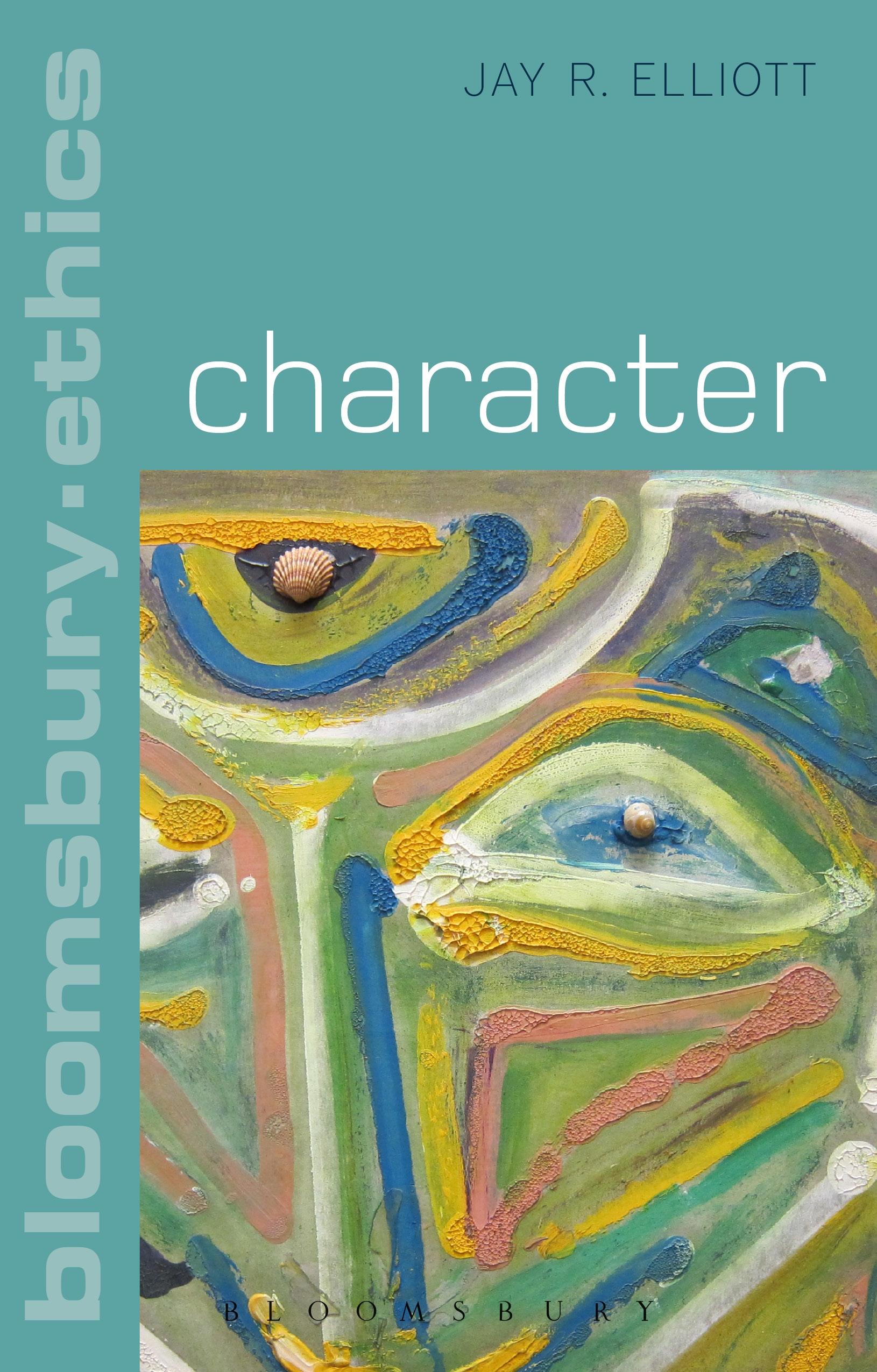
Why do people do evil? How can we learn to do better? Philosophers in the long-standing tradition of 'virtue ethics' argue that we act badly because of shortcomings in our character, and that we can improve by practicing virtues such as courage, honesty, and compassion. Recently, philosophical 'situationists' have issued a profound challenge to this tradition: they argue that anyone can act badly if placed in a sufficiently tempting situation, and that the goal of cultivating good character is misguided and may even be harmful. Rather than encouraging us to pursue the ideal of virtue, these philosophers propose that ethics should instead begin by recognizing the profound limits of human self-knowledge and self-control.
This book critically examines the arguments and evidence on each side of this debate, with a special focus on the connections between the philosophical issues and current research in social and personality psychology. Character also includes guides to further reading that will help students deepen their understanding of this essential topic in contemporary ethics.
This book critically examines the arguments and evidence on each side of this debate, with a special focus on the connections between the philosophical issues and current research in social and personality psychology. Character also includes guides to further reading that will help students deepen their understanding of this essential topic in contemporary ethics.
Zahle einfach mit Karte, Klarna, Apple Pay oder Google Pay. Nicht zufrieden? Du hast immer ein 14-tägiges Widerrufsrecht. Lies mehr in unseren AGB. Hast du Fragen, schreib uns eine E-Mail an hello@memmo.org.
Memmo macht das Lernen einfacher – wo auch immer du bist. Bei uns findest du deine Kursbücher und smarte Lerntools an einem Ort: Zusammenfassungen, Quizzes, Podcasts und Lernkarten. Und Ted, dein Lernbuddy, beantwortet alles, was du wissen möchtest. Über 50.000 Studierende lernen bereits hier – gemacht, damit du schneller lernst und weniger Stress hast.