
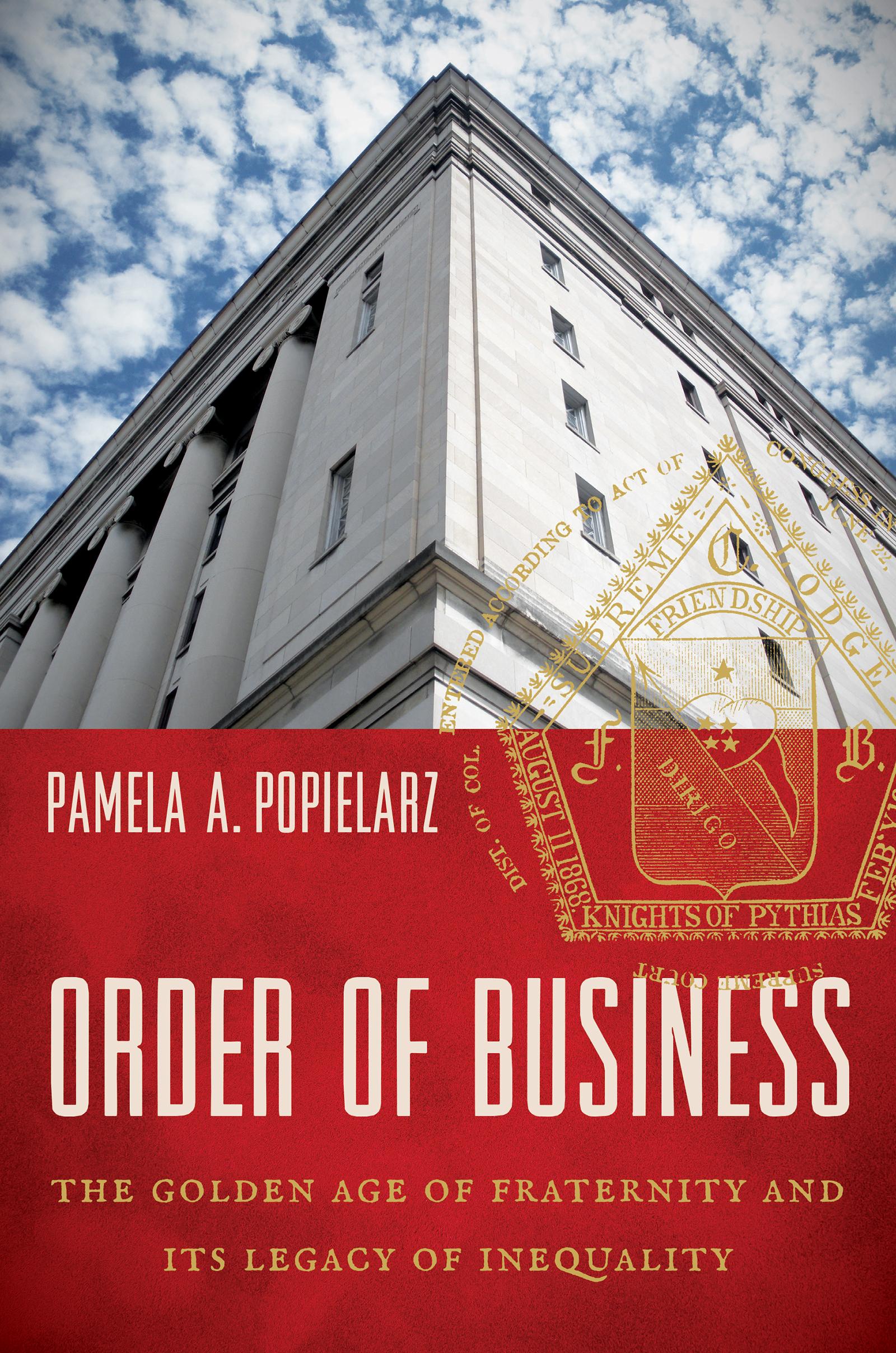
Though the industrial revolution pushed Americans into radically new modes of living, working, and organizing, patriarchy and white supremacy survived in the new institutions of the industrial economy. Fraternal orders flourished so spectacularly between the Civil War and World War I that this era—the peak of the industrial revolution—is known as the Golden Age of Fraternity. In this work of historically informed sociology, Pamela A. Popielarz explores the hidden impact of fraternal orders on systemic inequalities in American business. Most orders welcomed only white men, yet members ranged from capitalist elites to wage workers. Popielarz analyzes the Freemasons and the Knights of Pythias, illuminating who they were, what they aimed to do, and how they adopted novel business practices during the Golden Age. In doing so, she reveals the collective imprint of fraternal orders on business culture and offers new ways to understand contemporary racial and gender inequalities.
Zahle einfach mit Karte, Klarna, Apple Pay oder Google Pay. Nicht zufrieden? Du hast immer ein 14-tägiges Widerrufsrecht. Lies mehr in unseren AGB. Hast du Fragen, schreib uns eine E-Mail an hello@memmo.org.
Memmo macht das Lernen einfacher – wo auch immer du bist. Bei uns findest du deine Kursbücher und smarte Lerntools an einem Ort: Zusammenfassungen, Quizzes, Podcasts und Lernkarten. Und Ted, dein Lernbuddy, beantwortet alles, was du wissen möchtest. Über 50.000 Studierende lernen bereits hier – gemacht, damit du schneller lernst und weniger Stress hast.
Das könnte dir auch gefallen
Buch kaufen0