
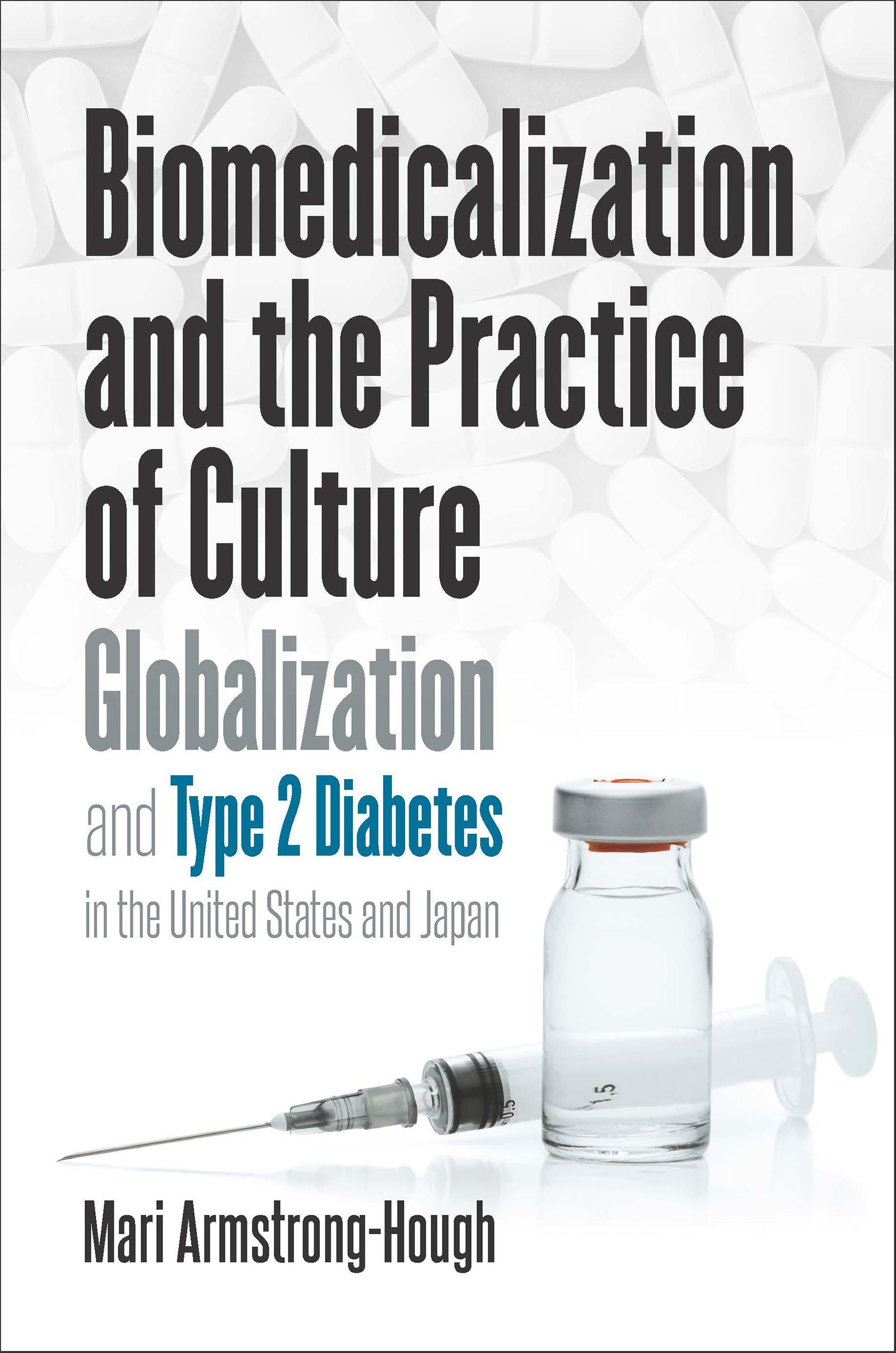
Over the last twenty years, type 2 diabetes skyrocketed to the forefront of global public health concern. In this book, Mari Armstrong-Hough examines the rise in and response to the disease in two societies: the United States and Japan. Both societies have faced rising rates of diabetes, but their social and biomedical responses to its ascendance have diverged. To explain the emergence of these distinctive strategies, Armstrong-Hough argues that physicians act not only on increasingly globalized professional standards but also on local knowledge, explanatory models, and cultural toolkits. As a result, strategies for clinical management diverge sharply from one country to another. Armstrong-Hough demonstrates how distinctive practices endure in the midst of intensifying biomedicalization, both on the part of patients and on the part of physicians, and how these differences grow from broader cultural narratives about diabetes in each setting.
Zahle einfach mit Karte, Klarna, Apple Pay oder Google Pay. Nicht zufrieden? Du hast immer ein 14-tägiges Widerrufsrecht. Lies mehr in unseren AGB. Hast du Fragen, schreib uns eine E-Mail an hello@memmo.org.
Memmo macht das Lernen einfacher – wo auch immer du bist. Bei uns findest du deine Kursbücher und smarte Lerntools an einem Ort: Zusammenfassungen, Quizzes, Podcasts und Lernkarten. Und Ted, dein Lernbuddy, beantwortet alles, was du wissen möchtest. Über 50.000 Studierende lernen bereits hier – gemacht, damit du schneller lernst und weniger Stress hast.
Das könnte dir auch gefallen
Buch kaufen0