
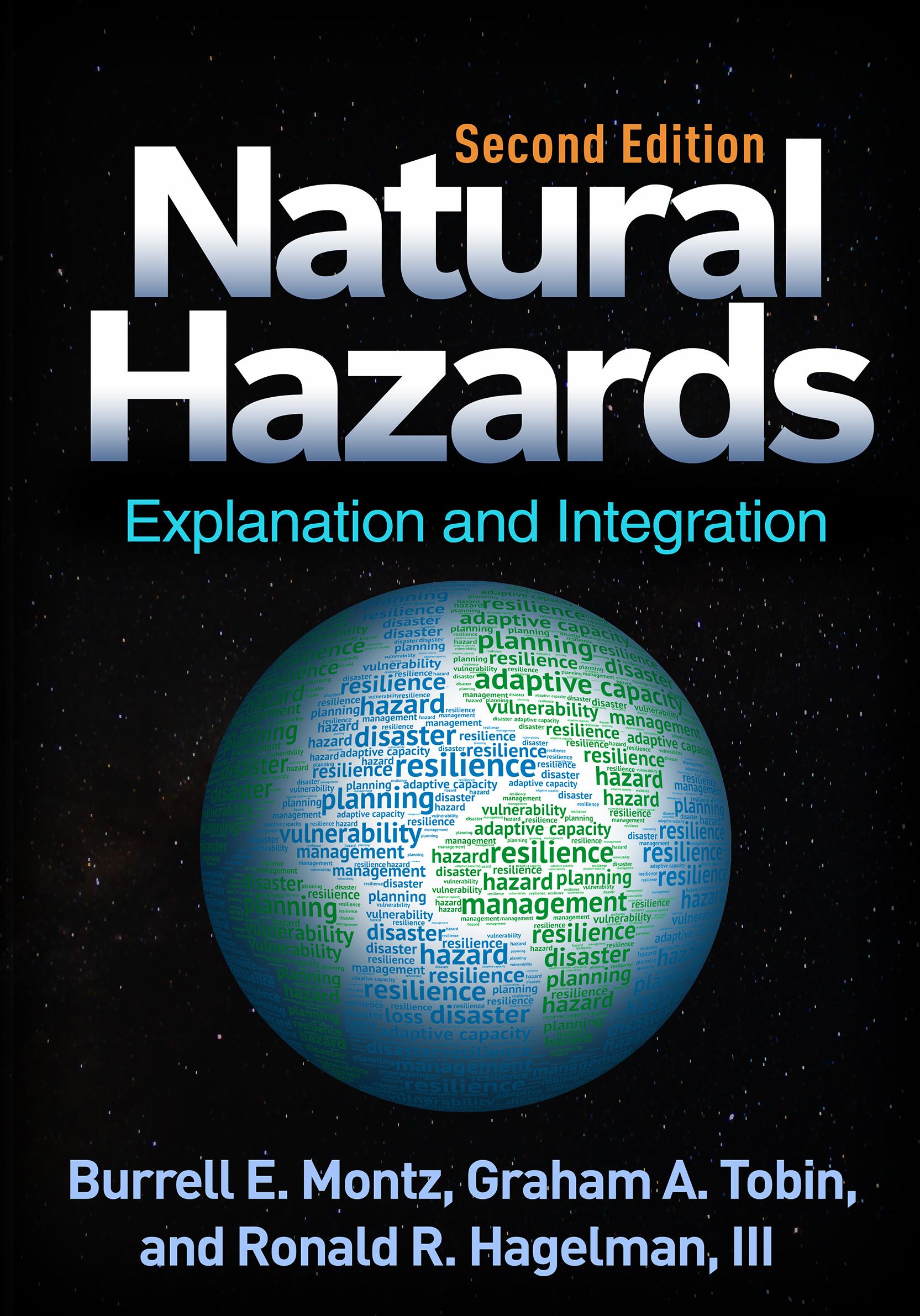
What can we learn from the spatial patterns of disasters? What human and structural factors need to be addressed to explain hazard vulnerability? As populations grow and the climate warms, how can natural hazards be mitigated? Thoroughly revised and updated, and now with a more global perspective, the second edition of this accessible text provides an integrated framework for understanding and managing natural hazards. Numerous case studies from around the world illustrate the complexities of extreme geophysical events and highlight their physical, social, political, and economic dimensions. The text identifies essential principles for tackling the fundamental causes of differential vulnerabilities that perpetuate human distress, and for promoting recovery and resilience.
New to This Edition
*New frameworks for understanding human resilience and adaptive capacity in recovery, dynamics of risk and uncertainty, and more.
*Chapter on spatial and temporal aspects of hazards.
*Discussions of cutting-edge topics, such as chronic disasters, controversies in international aid, and how hazards affect regions differentially.
*Many new case studies, including Hurricanes Katrina and Charley, Superstorm Sandy, the 2011 Japan tsunami, Ecuador's chronic volcanic hazard, and others.
*Reflects 20 years of research advances across the physical and social sciences, development trends, new technologies, and ongoing global climate change.
New to This Edition
*New frameworks for understanding human resilience and adaptive capacity in recovery, dynamics of risk and uncertainty, and more.
*Chapter on spatial and temporal aspects of hazards.
*Discussions of cutting-edge topics, such as chronic disasters, controversies in international aid, and how hazards affect regions differentially.
*Many new case studies, including Hurricanes Katrina and Charley, Superstorm Sandy, the 2011 Japan tsunami, Ecuador's chronic volcanic hazard, and others.
*Reflects 20 years of research advances across the physical and social sciences, development trends, new technologies, and ongoing global climate change.
Zahle einfach mit Karte, Klarna, Apple Pay oder Google Pay. Nicht zufrieden? Du hast immer ein 14-tägiges Widerrufsrecht. Lies mehr in unseren AGB. Hast du Fragen, schreib uns eine E-Mail an hello@memmo.org.
Memmo macht das Lernen einfacher – wo auch immer du bist. Bei uns findest du deine Kursbücher und smarte Lerntools an einem Ort: Zusammenfassungen, Quizzes, Podcasts und Lernkarten. Und Ted, dein Lernbuddy, beantwortet alles, was du wissen möchtest. Über 50.000 Studierende lernen bereits hier – gemacht, damit du schneller lernst und weniger Stress hast.
Das könnte dir auch gefallen
Buch kaufen0