
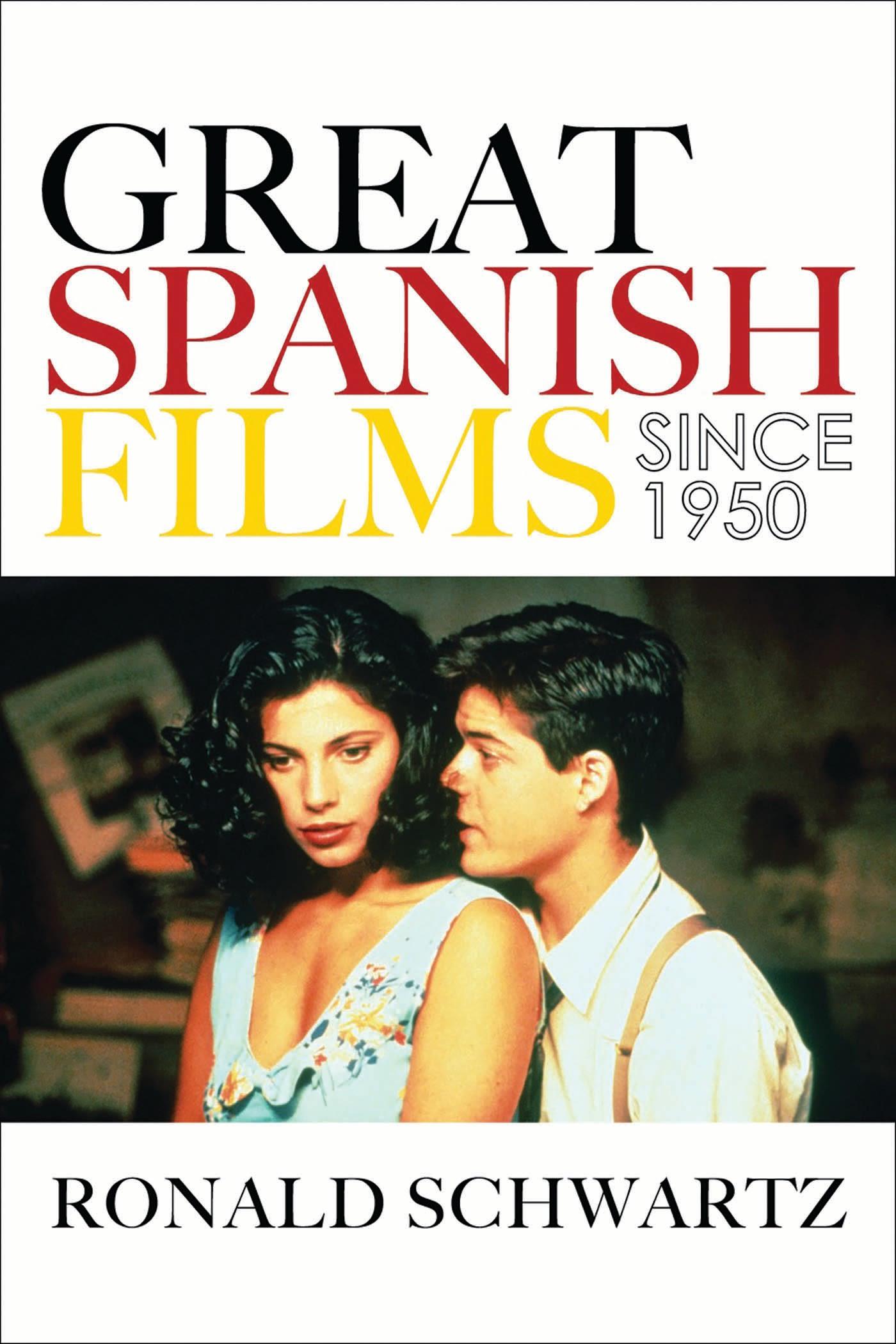
When it began, modern Spanish cinema was under strict censorship, forced to conform to the ideological demands of the Nationalist regime. In 1950, the New Spanish Cinema was born as a protest over General Francisco Franco's policies: a new series of directors and films began to move away from the conformist line to offer a bold brand of Spanish realism. In the 1950s and early 1960s, filmmakers such as Juan Antonio Bardem, Luis García Berlanga, and Luis Buñuel expressed a liberal image of Spain to the world in such films as Muerte de un ciclista (Death of a Cyclist), Bienvenido Señor Marshall (Welcome Mr. Marshall), and Viridiana. The emergence of new directors continued into the sixties and seventies with Carlos Saura, José Luis Borau, Víctor Erice, and others. After Franco's death in 1975, censorship was abolished and films openly explored such formerly taboo subjects as sexuality, drugs, the church, the army, and the Civil War. The Spanish cinema was no longer escapist and entertaining but, at long last, mirrored the society it depicted.
While established directors like Saura, Bardem, and Berlanga continued to produce distinguished work, the "new wave" of Spanish cinema included brilliant films by the likes of Montxo Armendáriz (Tasio), Fernando Trueba (First Work), Imanol Uribe (The Death of Mikel), and Pedro Almodóvar (Women on the Verge of a Nervous Breakdown). In the last couple of decades, exciting works by established filmmakers and newcomers alike continue to be produced, including Alejandro Amenábar's Thesis, José Luis Garcí's The Grandfather, and Almodóvar's Talk to Her and Volver.
In Great Spanish Films Since 1950, Ronald Schwartz presents a compendium of outstanding Spanish films from the pre-Francoist era through the Spanish New Wave of the 80's and 90's and into the present day. Schwartz provides background, plot, and commentaries of key films from six decades of Spanish cinema. In addition to identifying
While established directors like Saura, Bardem, and Berlanga continued to produce distinguished work, the "new wave" of Spanish cinema included brilliant films by the likes of Montxo Armendáriz (Tasio), Fernando Trueba (First Work), Imanol Uribe (The Death of Mikel), and Pedro Almodóvar (Women on the Verge of a Nervous Breakdown). In the last couple of decades, exciting works by established filmmakers and newcomers alike continue to be produced, including Alejandro Amenábar's Thesis, José Luis Garcí's The Grandfather, and Almodóvar's Talk to Her and Volver.
In Great Spanish Films Since 1950, Ronald Schwartz presents a compendium of outstanding Spanish films from the pre-Francoist era through the Spanish New Wave of the 80's and 90's and into the present day. Schwartz provides background, plot, and commentaries of key films from six decades of Spanish cinema. In addition to identifying
Seiten: 464
Kategorie: Film- & Medievetenskap
e-ISBN: 9781461696612
Versandgewicht: 1.2 kg
Versand in: 1-2 Tage
Zahle einfach mit Karte, Klarna, Apple Pay oder Google Pay. Nicht zufrieden? Du hast immer ein 14-tägiges Widerrufsrecht. Lies mehr in unseren AGB. Hast du Fragen, schreib uns eine E-Mail an hello@memmo.org.
Memmo macht das Lernen einfacher – wo auch immer du bist. Bei uns findest du deine Kursbücher und smarte Lerntools an einem Ort: Zusammenfassungen, Quizzes, Podcasts und Lernkarten. Und Ted, dein Lernbuddy, beantwortet alles, was du wissen möchtest. Über 50.000 Studierende lernen bereits hier – gemacht, damit du schneller lernst und weniger Stress hast.