
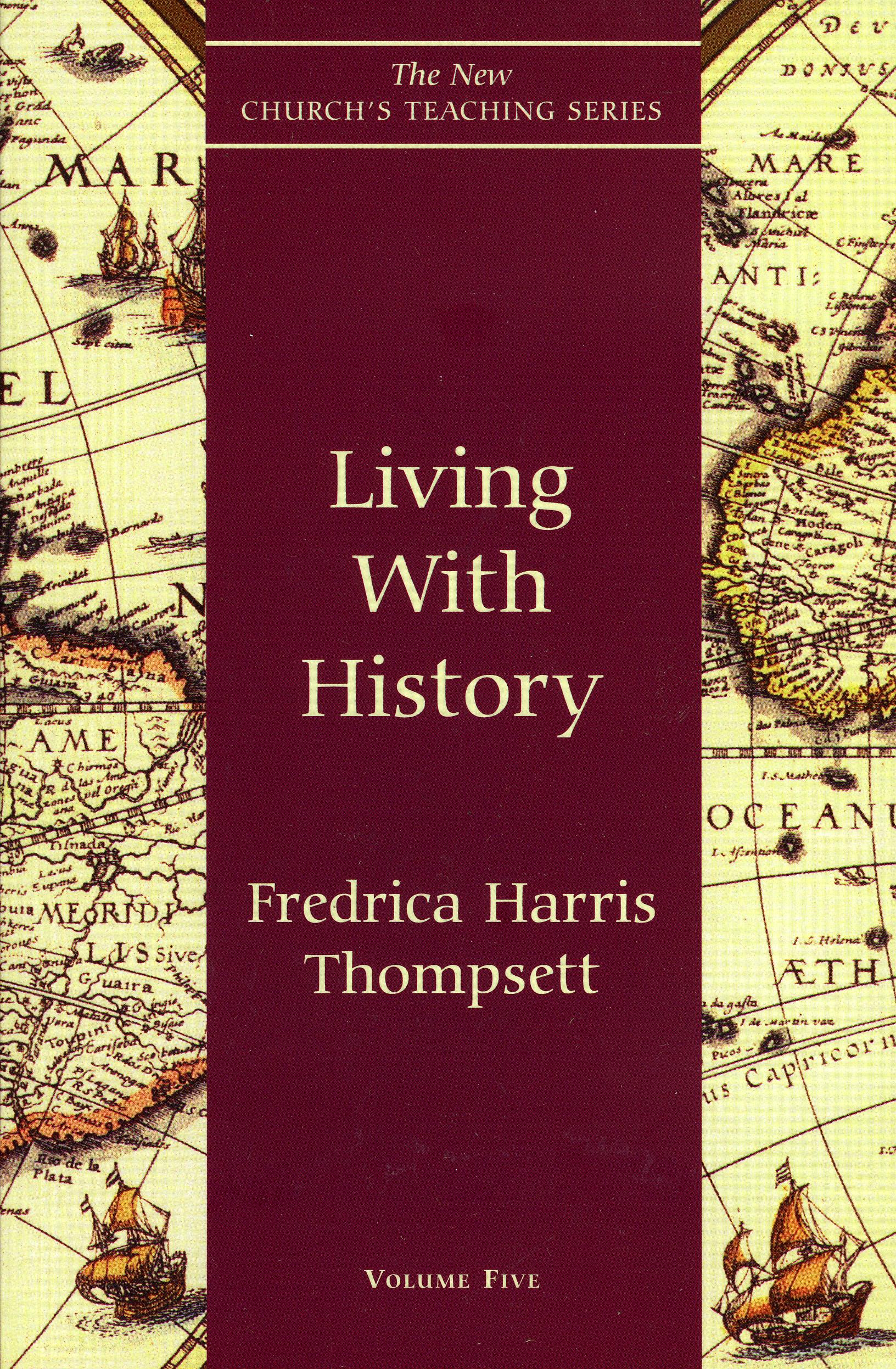
Fredrica Harris Thompsett, a scholar of the English Reformation, introduces us to the role that history has played in creating and shaping the Episcopal Church as we know it today. In giving us the broad lessons of Anglican history, she explores in detail both the historian's task and Anglicanism's distinctive history, from its roots in Scripture and the English language Bible and prayerbook to its seventeenth century flowering in poetry and prose and the different forms it has assumed in the American landscape from the time of the Revolution right through to the late 20th century.
Thompsett begins by discussing the relationship between history, tradition, and change, and goes on to outline ten key "touchstones" or milestones in Christian history that are of particular interest to Anglicans. Since it is the historian's task to write the "unwritten" as well as the official story of the church, chapter three is a history of ministry in the church, especially of lay ministry. Chapter four looks at three ways that Anglicans have handled conflict and controversy throughout its history, concentrating on the Elizabethan Settlement, the American Civil War, and the impact of Darwin and the new science. Chapter five discusses how theological insight can be "recycled" to shed new light on the problems of today, focusing on Anglican theology of creation and how it helps us address ecology as a spiritual crisis. Finally, chapter six focuses on how a living historical tradition affects the life and mission of the church today, and how we are a part of that history.
Thompsett begins by discussing the relationship between history, tradition, and change, and goes on to outline ten key "touchstones" or milestones in Christian history that are of particular interest to Anglicans. Since it is the historian's task to write the "unwritten" as well as the official story of the church, chapter three is a history of ministry in the church, especially of lay ministry. Chapter four looks at three ways that Anglicans have handled conflict and controversy throughout its history, concentrating on the Elizabethan Settlement, the American Civil War, and the impact of Darwin and the new science. Chapter five discusses how theological insight can be "recycled" to shed new light on the problems of today, focusing on Anglican theology of creation and how it helps us address ecology as a spiritual crisis. Finally, chapter six focuses on how a living historical tradition affects the life and mission of the church today, and how we are a part of that history.
Zahle einfach mit Karte, Klarna, Apple Pay oder Google Pay. Nicht zufrieden? Du hast immer ein 14-tägiges Widerrufsrecht. Lies mehr in unseren AGB. Hast du Fragen, schreib uns eine E-Mail an hello@memmo.org.
Memmo macht das Lernen einfacher – wo auch immer du bist. Bei uns findest du deine Kursbücher und smarte Lerntools an einem Ort: Zusammenfassungen, Quizzes, Podcasts und Lernkarten. Und Ted, dein Lernbuddy, beantwortet alles, was du wissen möchtest. Über 50.000 Studierende lernen bereits hier – gemacht, damit du schneller lernst und weniger Stress hast.